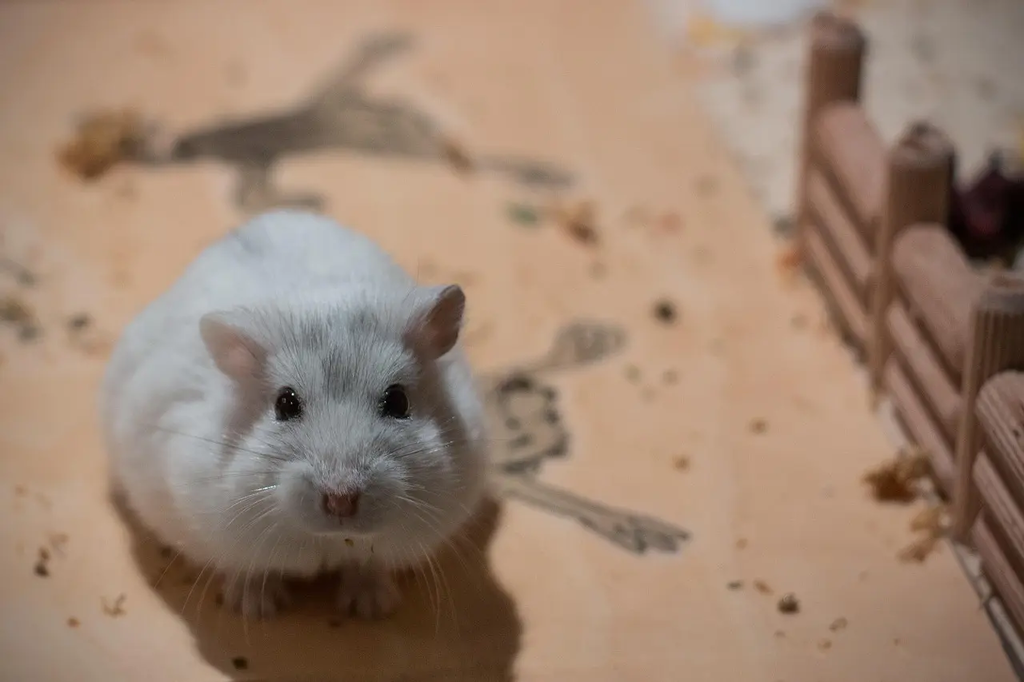
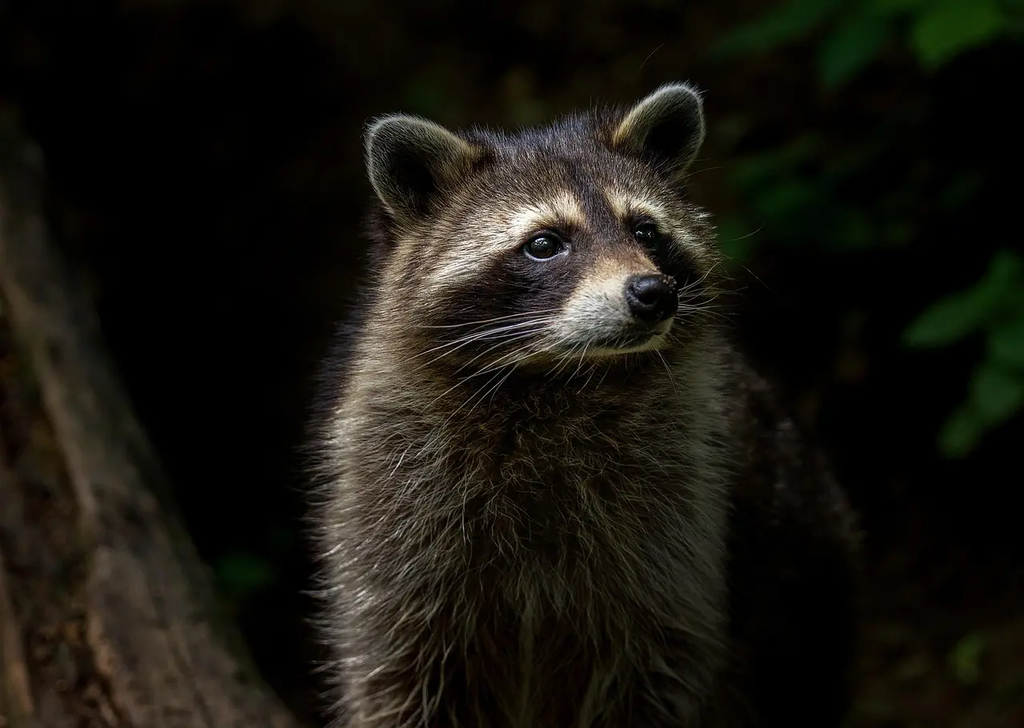
Animal epigenetics explores how environmental factors can influence gene expression in animals without changing their DNA sequence. This fascinating field reveals how diet, stress, and habitat can affect traits across generations. For example, certain butterflies change color based on temperature, and bees can develop into queens or workers depending on their nutrition. These discoveries uncover nature’s wildest secrets, showing that animal traits are shaped by more than just inherited genes.
Animal Epigenetics
Animal epigenetics explores how environmental factors can influence gene expression in animals without changing their DNA sequence. This fascinating field reveals how diet, stress, and habitat can affect traits across generations. For example, certain butterflies change color based on temperature, and bees can develop into queens or workers depending on their nutrition. These discoveries uncover nature’s wildest secrets, showing that animal traits are shaped by more than just inherited genes.

💡 Key Takeaways
- Understand how epigenetic marks control gene expression in animals without changing the DNA sequence.
- Identify key mechanisms: DNA methylation, histone modification, and non-coding RNAs.
- Explain how environment and life experiences can reshape epigenetic patterns, affecting development, behavior, and health.
- Describe examples like X-chromosome inactivation, genomic imprinting, and transgenerational epigenetic effects.
❓ Frequently Asked Questions
What is epigenetics in animals?
Epigenetics studies how gene activity is regulated without changing the DNA sequence, using chemical tags and chromatin structure to turn genes on or off.
What are the main mechanisms of epigenetic regulation in animals?
Key mechanisms include DNA methylation, histone modifications, and non-coding RNAs that influence how and when genes are expressed.
How can epigenetic changes influence animal traits?
Epigenetic changes can affect development, behavior, metabolism, and disease risk by altering gene expression without changing the underlying DNA.
Can epigenetic marks be inherited by offspring?
Some epigenetic marks can be transmitted to the next generation, but many are reset during embryonic development; inheritance depends on species and context.