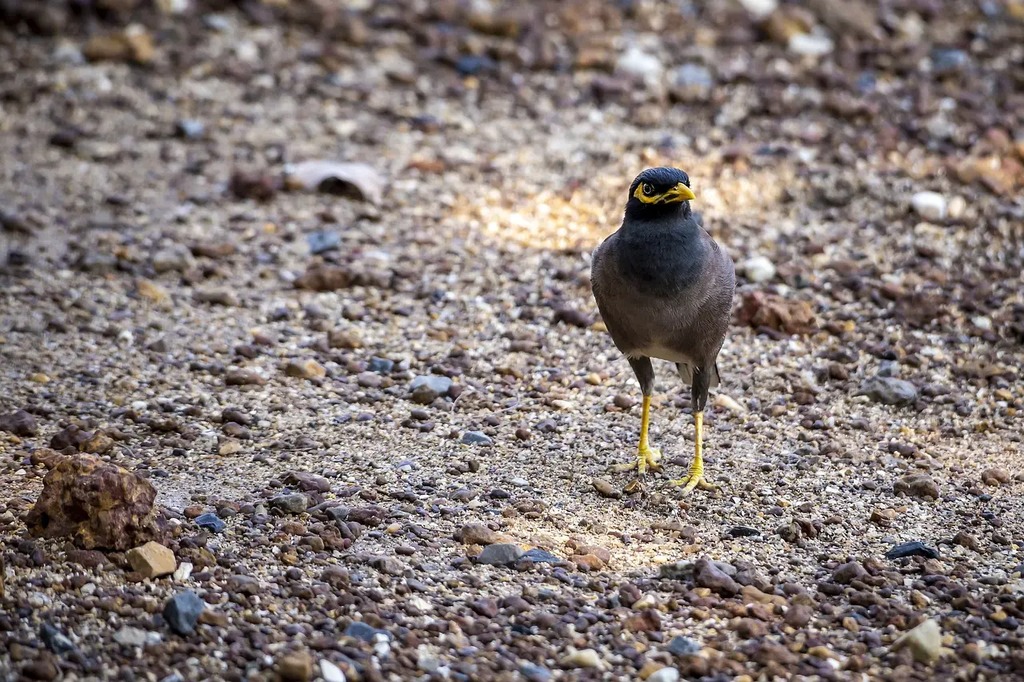
Animal feeding strategies refer to the diverse ways animals obtain and consume food in their natural habitats. These strategies include hunting, grazing, scavenging, filter-feeding, and parasitism. Each species has evolved unique adaptations—such as sharp teeth, long tongues, or specialized digestive systems—to suit its diet. Understanding these feeding behaviors reveals fascinating insights into survival, competition, and the intricate balance of ecosystems in the wild.
Animal Feeding Strategies
Animal feeding strategies refer to the diverse ways animals obtain and consume food in their natural habitats. These strategies include hunting, grazing, scavenging, filter-feeding, and parasitism. Each species has evolved unique adaptations—such as sharp teeth, long tongues, or specialized digestive systems—to suit its diet. Understanding these feeding behaviors reveals fascinating insights into survival, competition, and the intricate balance of ecosystems in the wild.
💡 Key Takeaways
- Compare grazing, browsing, and omnivorous feeding strategies and their implications for nutrient intake and digestion.
- Explain how different digestive systems (rumen-based vs monogastric) shape appropriate diets and feeding formulations.
- Determine how life stage, activity level, and reproductive status affect feeding requirements and how to adjust rations accordingly.
- Identify signs of overfeeding and underfeeding and apply strategies to balance diets for health, growth, and performance.
❓ Frequently Asked Questions
What is grazing as a feeding strategy?
Grazing is feeding primarily on grasses and ground vegetation; herbivores ingest large amounts and rely on gut fermentation to extract nutrients.
What is browsing as a feeding strategy?
Browsing involves feeding on leaves, twigs, and shoots from shrubs and trees, often selecting higher-nutrient parts.
What distinguishes ruminants from non-ruminants?
Ruminants have a four-chambered stomach (rumen, reticulum, omasum, abomasum) enabling foregut fermentation; non-ruminants have a single-chambered stomach.
What is an omnivore feeding strategy?
Omnivores eat both plants and animals, using a flexible diet and digestive system to process a wide range of foods.
What is a carnivore feeding strategy?
Carnivores primarily eat meat, often hunting or scavenging, and have adaptations like sharp teeth and efficient short digestion.