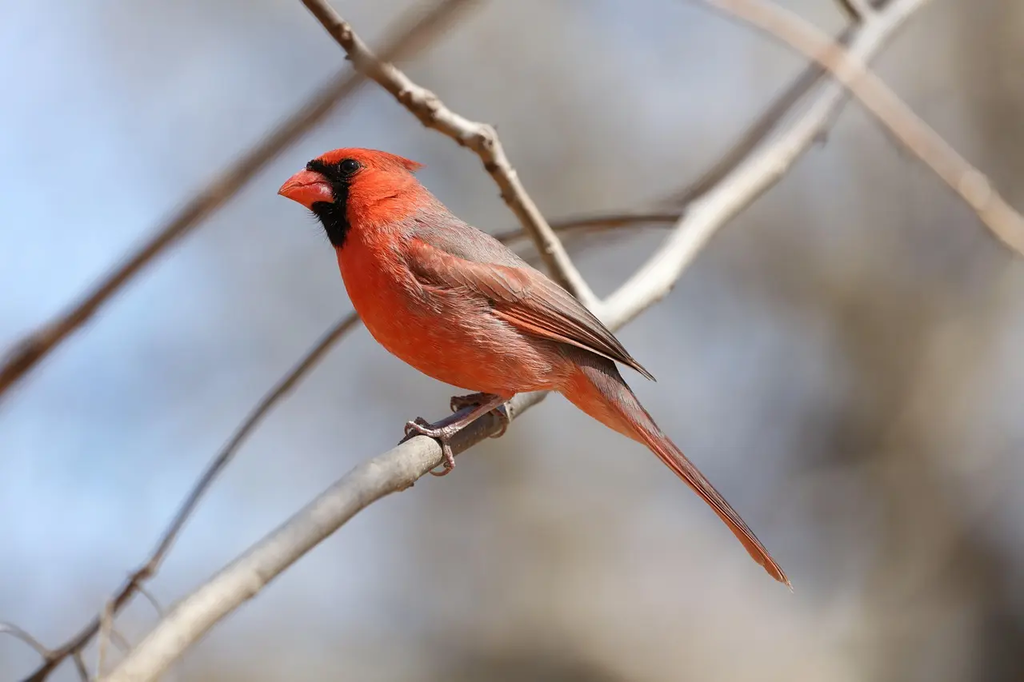
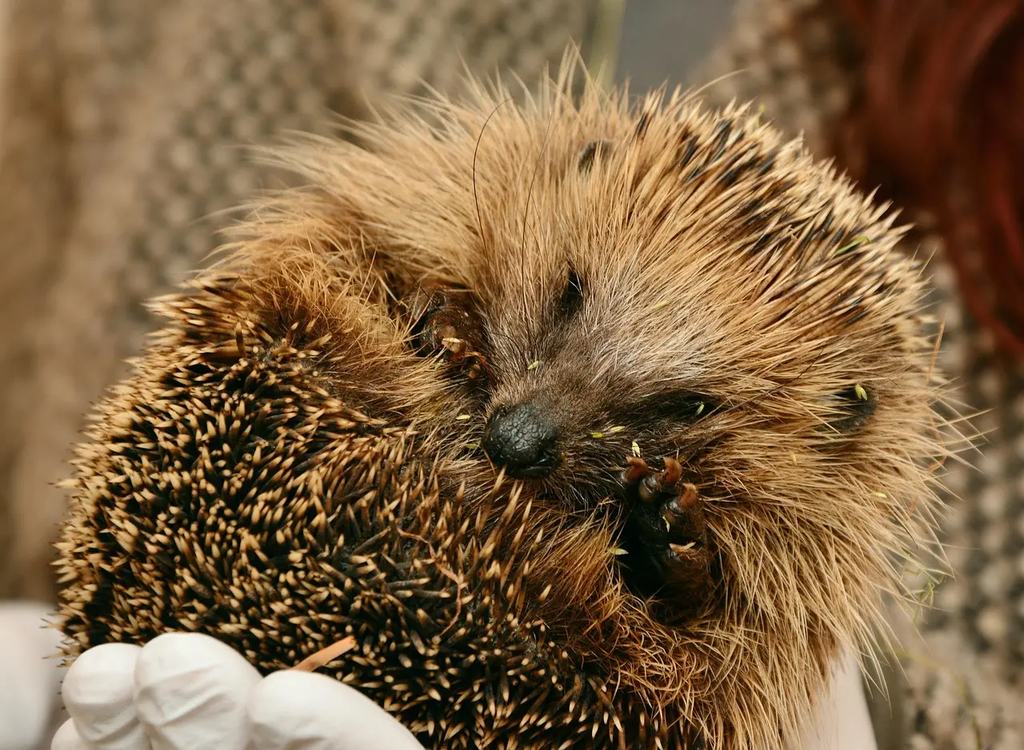
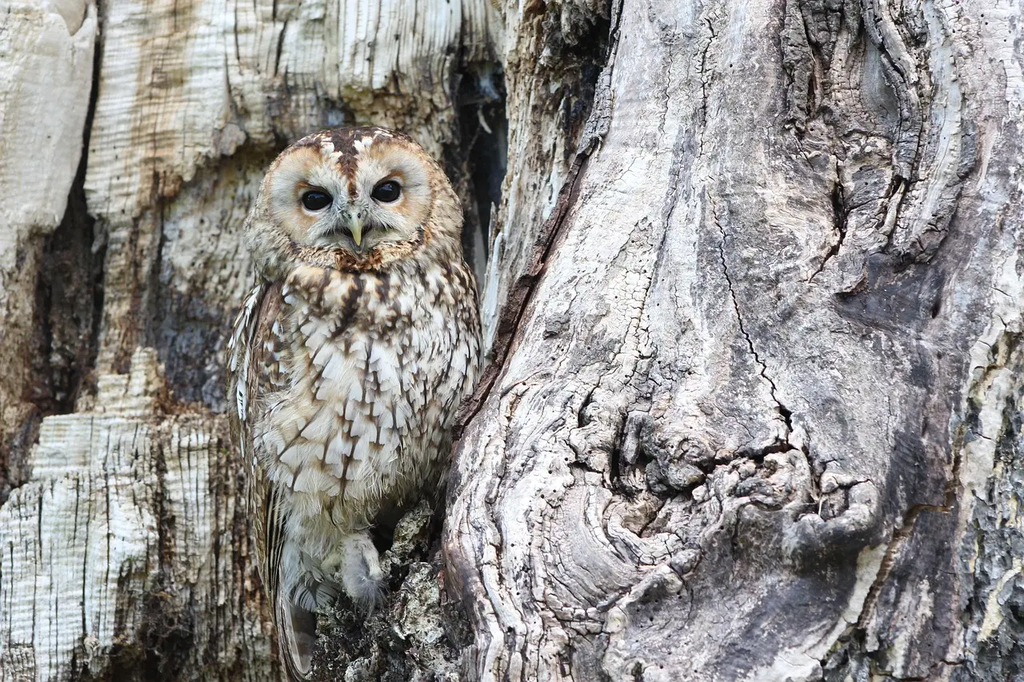
Animal Foraging Theory explains how animals search for and obtain food in ways that maximize their energy intake while minimizing effort and risk. This theory helps scientists understand animal behavior, such as why certain species choose specific habitats or hunting strategies. By studying foraging patterns, researchers uncover fascinating animal adaptations and survival tactics, revealing nature’s wildest secrets about how creatures thrive and compete in their environments.
Animal Foraging Theory
Animal Foraging Theory explains how animals search for and obtain food in ways that maximize their energy intake while minimizing effort and risk. This theory helps scientists understand animal behavior, such as why certain species choose specific habitats or hunting strategies. By studying foraging patterns, researchers uncover fascinating animal adaptations and survival tactics, revealing nature’s wildest secrets about how creatures thrive and compete in their environments.
💡 Key Takeaways
- Understand the goal of foraging theory: maximize net energy gain over time.
- Learn how energy intake, search costs, and handling time influence foraging decisions.
- Explore the marginal value theorem and when an animal should leave a food patch.
- Recognize common foraging strategies (patch use, travel time) and risk-reward tradeoffs.
❓ Frequently Asked Questions
What is animal foraging theory?
A framework in behavioral ecology that explains how animals search for and acquire food to maximize energy intake while minimizing costs, using trade-offs between search effort, handling time, and risk.
What is optimal foraging theory (OFT)?
A theory predicting that animals optimize net energy gain per unit time by choosing where and when to forage, considering energy rewards, costs, and the time needed to travel between patches.
What is the Marginal Value Theorem?
A rule saying when to leave a depleting food patch: depart when the current intake rate drops to the average rate for the environment, including travel to the next patch.
What is patch-use (patch-choice) in foraging?
The decision of how long to stay in a feeding patch before moving on, based on patch quality, depletion, and travel costs to other patches.
What does profitability mean in foraging theory?
The efficiency of a prey item, typically energy gained per unit handling time (and sometimes per unit total time), guiding which prey types to pursue first.