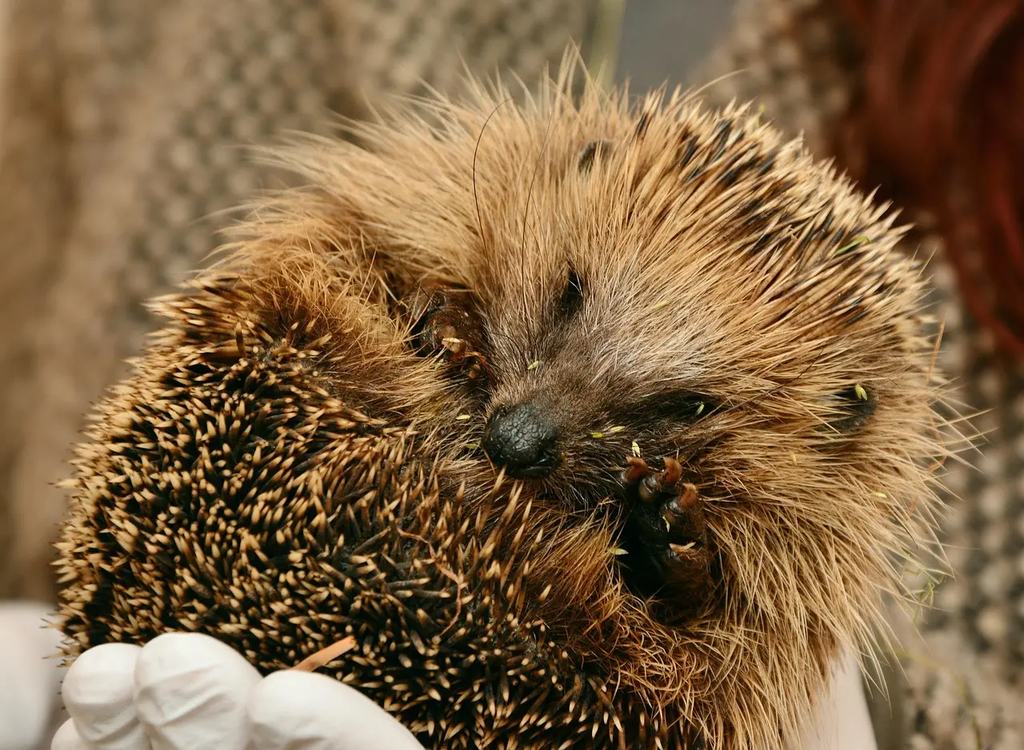
Animal genomic imprinting is a fascinating genetic phenomenon where certain genes are expressed in a parent-specific manner, meaning some genes are active only if inherited from the mother or the father. This selective gene expression plays a crucial role in animal development, growth, and behavior. It can influence traits like size, nurturing instincts, and even disease susceptibility, revealing some of nature’s wildest secrets about how animals inherit and express unique characteristics.
Animal Genomic Imprinting
Animal genomic imprinting is a fascinating genetic phenomenon where certain genes are expressed in a parent-specific manner, meaning some genes are active only if inherited from the mother or the father. This selective gene expression plays a crucial role in animal development, growth, and behavior. It can influence traits like size, nurturing instincts, and even disease susceptibility, revealing some of nature’s wildest secrets about how animals inherit and express unique characteristics.
💡 Key Takeaways
- Understand that genomic imprinting causes genes to be expressed from only the maternal or paternal allele depending on origin.
- Identify how imprinted genes influence animal growth, development, and placental function.
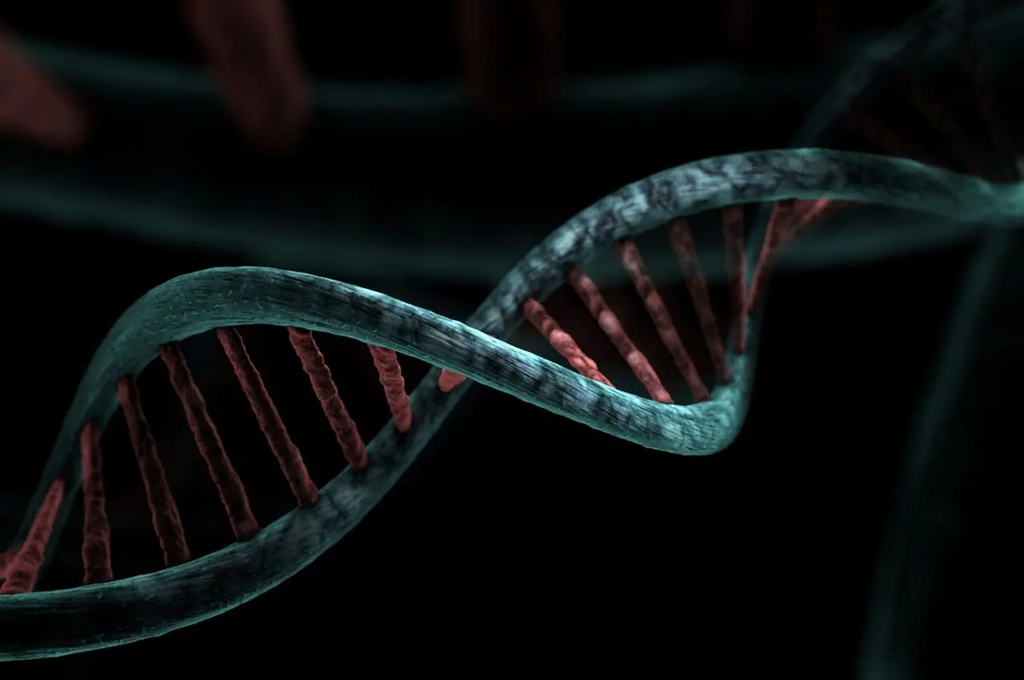
- Learn the molecular mechanisms of imprinting, including DNA methylation and imprinting control regions, and how these marks are established and maintained.
- Explore the consequences of imprinting errors and the common methods used to study imprinting, such as allele-specific expression and methylation analyses.
❓ Frequently Asked Questions
What is genomic imprinting in animals?
Genomic imprinting is an epigenetic process where only one parental allele of certain genes is expressed while the other is silenced, depending on whether it came from the mother or the father.
How is imprinting regulated at the molecular level?
Imprinting is controlled by DNA methylation and other epigenetic marks at imprinting control regions, established in germ cells and maintained after fertilization to ensure monoallelic expression.
Why are imprinted genes important for development?
Imprinted genes often regulate growth and development, coordinating resource allocation between mother and offspring; disruption can affect fetal growth and later health.
What can go wrong if imprinting is misregulated?
Imprinting errors can cause disorders such as Prader-Willi syndrome, Angelman syndrome, or Beckwith-Wiedemann syndrome, reflecting abnormal monoallelic expression.