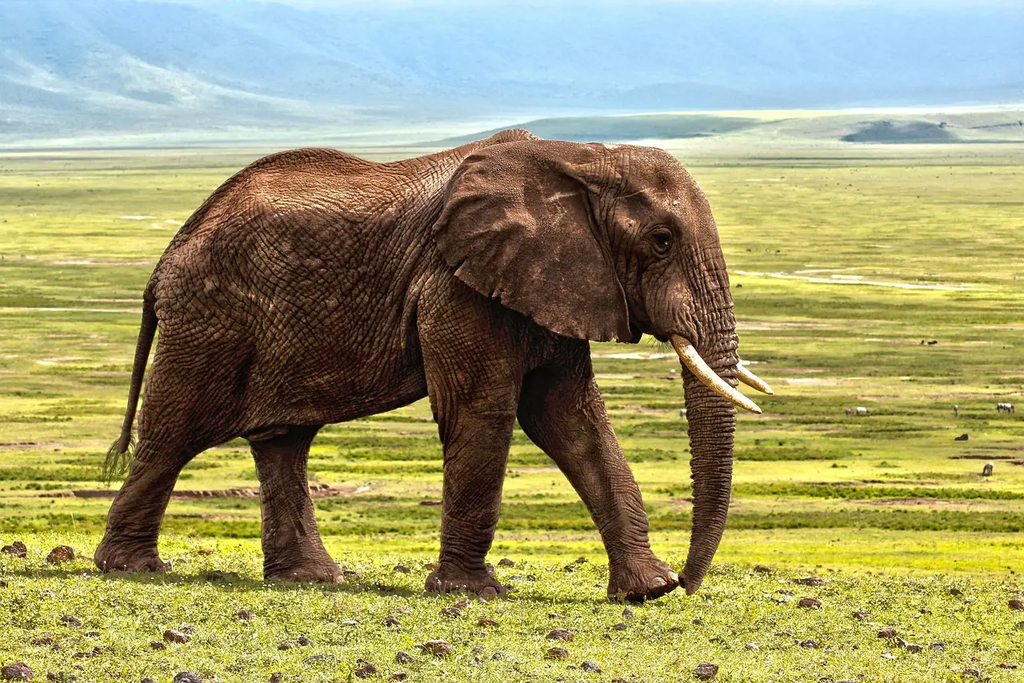
Animal hibernation is a survival strategy where certain animals enter a state of deep sleep during winter. Their body temperature drops, heart rate slows, and metabolism decreases to conserve energy when food is scarce. Animals like bears, bats, and groundhogs hibernate for weeks or months, relying on stored body fat. This fascinating adaptation helps them endure harsh weather and emerge healthy when spring arrives, showcasing nature’s incredible ingenuity.
Animal Hibernation
Animal hibernation is a survival strategy where certain animals enter a state of deep sleep during winter. Their body temperature drops, heart rate slows, and metabolism decreases to conserve energy when food is scarce. Animals like bears, bats, and groundhogs hibernate for weeks or months, relying on stored body fat. This fascinating adaptation helps them endure harsh weather and emerge healthy when spring arrives, showcasing nature’s incredible ingenuity.
💡 Key Takeaways
- Understand what animal hibernation is and why it happens
- Identify common animals that hibernate
- Describe key physiological changes during hibernation
- Distinguish hibernation from torpor and estivation
❓ Frequently Asked Questions
What is animal hibernation?
A natural, extended period of inactivity and slowed physiology that helps animals survive winter when food is scarce by conserving energy.
Which animals hibernate and why?
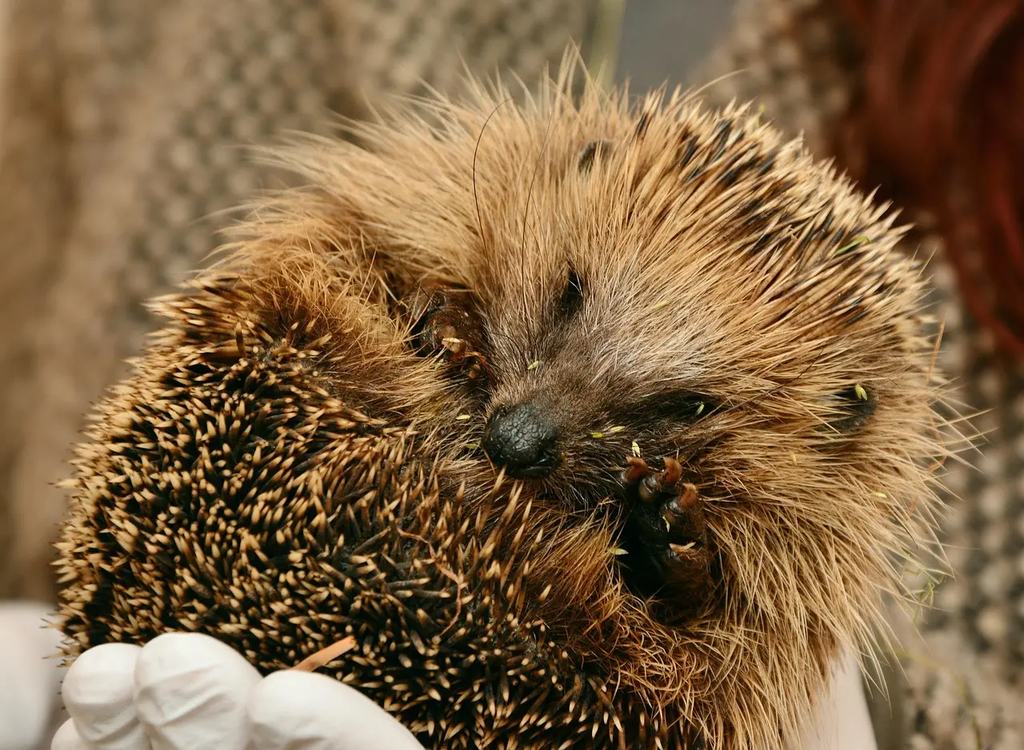
Small mammals such as ground squirrels, marmots, hedgehogs, and bats commonly hibernate; some reptiles and amphibians in cold climates do as well. They hibernate to conserve energy when temperatures drop and food is scarce.
How do animals prepare for hibernation?
They eat a lot to build fat reserves, store energy, and choose protected dens. They also reduce activity and adjust their metabolism before winter.
What happens during hibernation?
Body temperature falls, heart rate and breathing slow, and the animal uses stored fat for energy. They usually wake briefly to check conditions or adjust position.
How is hibernation different from sleep?
Hibernation is a prolonged, seasonal state with major metabolic slowing and fat usage, whereas sleep is shorter and does not involve sustained energy conservation.