Animal hierarchies refer to the social rankings or order within groups of animals, where individuals are ranked as dominant or subordinate. These structures help maintain order, reduce conflict, and ensure access to resources like food, mates, and shelter. Examples include wolf packs led by an alpha pair or pecking orders among chickens. Understanding animal hierarchies reveals fascinating insights into animal behavior and survival strategies in the wild.
Animal Hierarchies
Animal hierarchies refer to the social rankings or order within groups of animals, where individuals are ranked as dominant or subordinate. These structures help maintain order, reduce conflict, and ensure access to resources like food, mates, and shelter. Examples include wolf packs led by an alpha pair or pecking orders among chickens. Understanding animal hierarchies reveals fascinating insights into animal behavior and survival strategies in the wild.
💡 Key Takeaways
- Understand what an animal hierarchy is and why it forms in social species
- Learn key terms (dominance, rank, alpha/subordinate) and how they signal roles across species
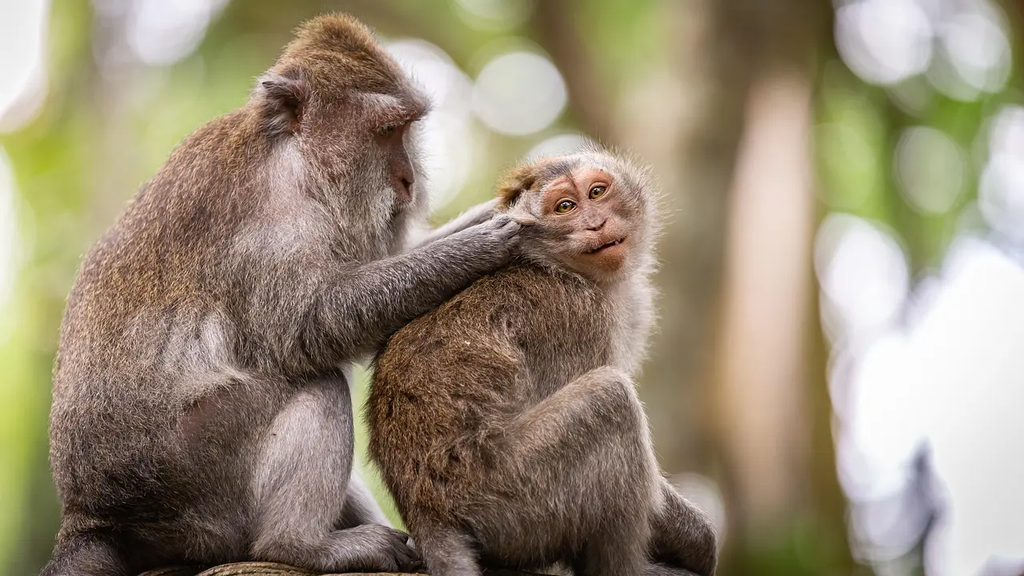
- See how hierarchies are established and maintained through behaviors like displays, submission, grooming, and resource control
- Recognize how hierarchies affect access to resources and behavior, with simple cross-species examples
❓ Frequently Asked Questions
What is an animal hierarchy?
A social ranking within a group that determines access to resources, mates, and social interactions.
What is a dominance hierarchy (pecking order)?
A rank order where higher-ranked individuals typically win conflicts and gain priority in resources and mating opportunities.
How do animal hierarchies form and stay in place?
Through repeated interactions such as displays, submission, aggression, and alliances, influenced by age, size, experience, and context.
Are all animal hierarchies strict or can they change?
Some are linear and stable, while others are flexible and context-dependent; ranks can rise or fall with challenges, aging, or changes in the group.
Can you name some common examples of animals with hierarchies?
Wolves, primates, chickens, meerkats, and many social insects show hierarchical organization.