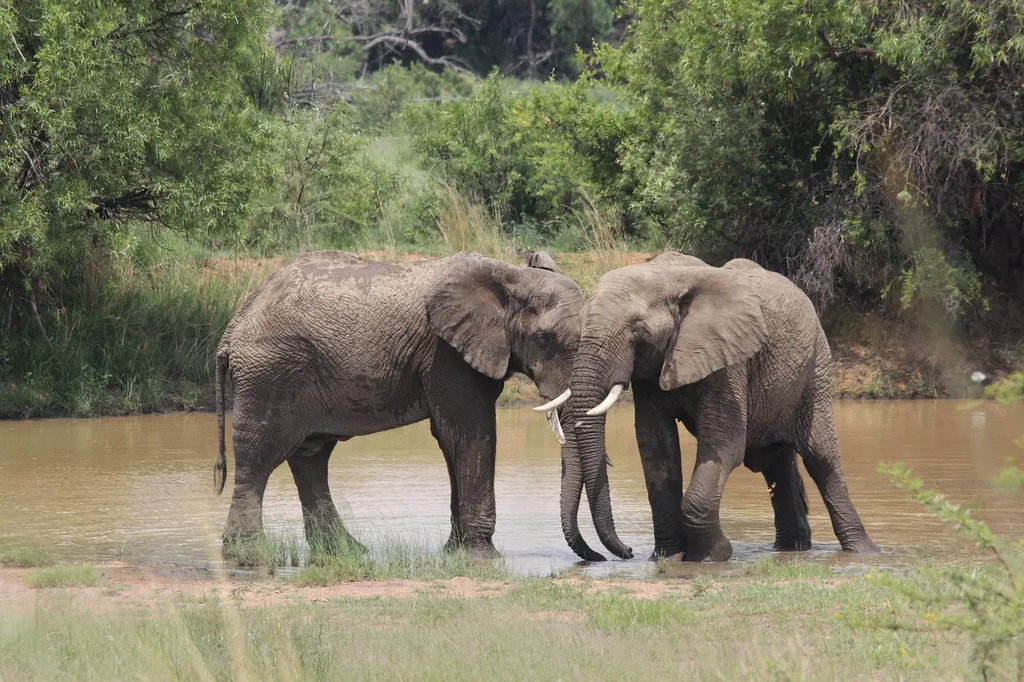
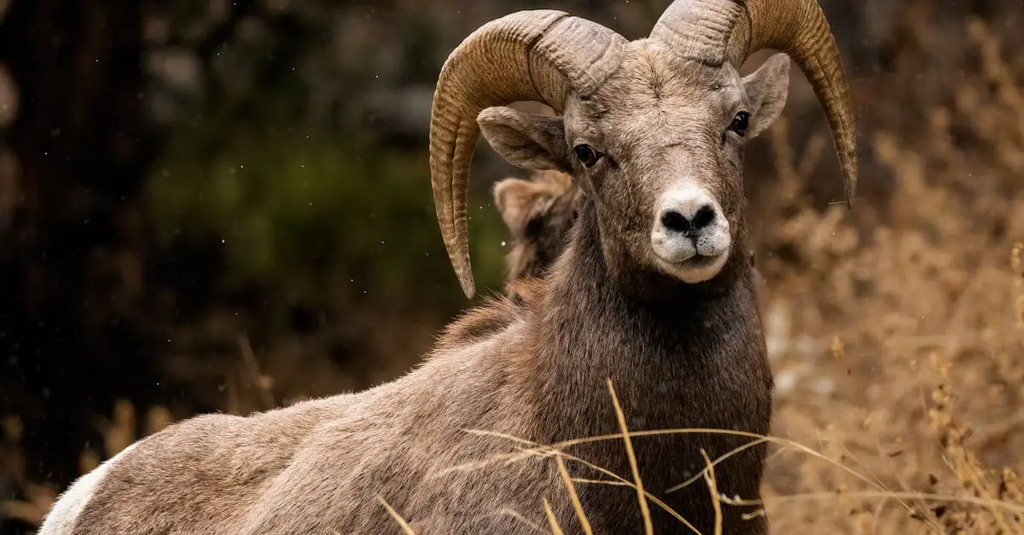
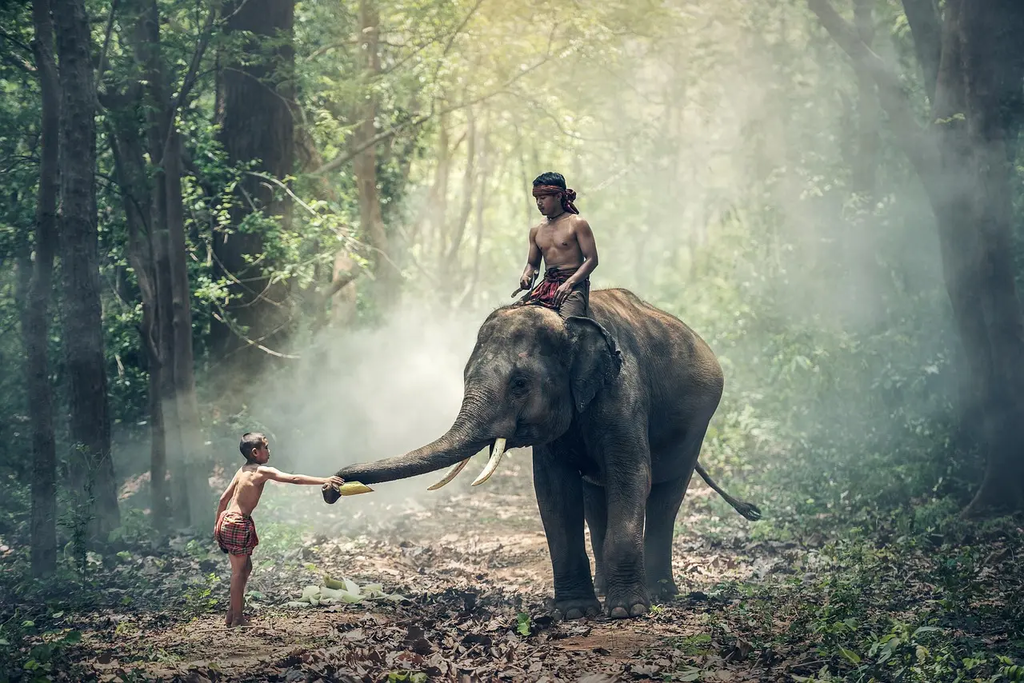
Animal life history strategies refer to the unique ways different species grow, survive, and reproduce in their environments. These strategies include factors like lifespan, number of offspring, parental care, and age at maturity. Some animals, like elephants, invest heavily in a few young, while others, like insects, produce many offspring with little care. These fascinating adaptations help animals thrive in diverse habitats, revealing nature’s wildest secrets for survival and success.
Animal Life History Strategies
Animal life history strategies refer to the unique ways different species grow, survive, and reproduce in their environments. These strategies include factors like lifespan, number of offspring, parental care, and age at maturity. Some animals, like elephants, invest heavily in a few young, while others, like insects, produce many offspring with little care. These fascinating adaptations help animals thrive in diverse habitats, revealing nature’s wildest secrets for survival and success.
💡 Key Takeaways
- Identify the main animal life history strategies (r-selected and K-selected) and where species fall on the continuum.
- Explain how trade-offs between reproduction, growth, and survival shape an individual's life history.
- Describe real-world examples across different taxa and how environments influence life history strategies.
- Assess how life history strategies impact population dynamics and conservation outcomes.
❓ Frequently Asked Questions
What is a life history strategy in animals?
A life history strategy is the set of traits an animal uses to grow, reproduce, and survive across its lifetime, shaped by trade-offs and environmental pressures.
What is the difference between r-selected and K-selected species?
R-selected species produce many offspring with little parental care and rely on high reproduction rates; K-selected species produce fewer offspring with greater parental investment, relying on competition in stable environments.
What are iteroparity and semelparity?
Iteroparous species reproduce multiple times over their lives (e.g., many birds and mammals); semelparous species reproduce once and often die afterward (e.g., some salmon).
How does the environment influence life history strategies?
Harsh or unpredictable environments favor fast strategies (early reproduction, many offspring); stable environments favor slower strategies with later reproduction and more parental care.