"Animal Logic (Silly But Tricky Questions)" refers to a playful approach to reasoning, using animals in riddles or puzzles that seem simple or humorous but require clever thinking to solve. These questions often involve puns, unexpected answers, or twists, challenging the listener to look beyond literal meanings. The phrase highlights how logic can be both fun and deceptive, engaging people in critical thinking through lighthearted, animal-themed scenarios.
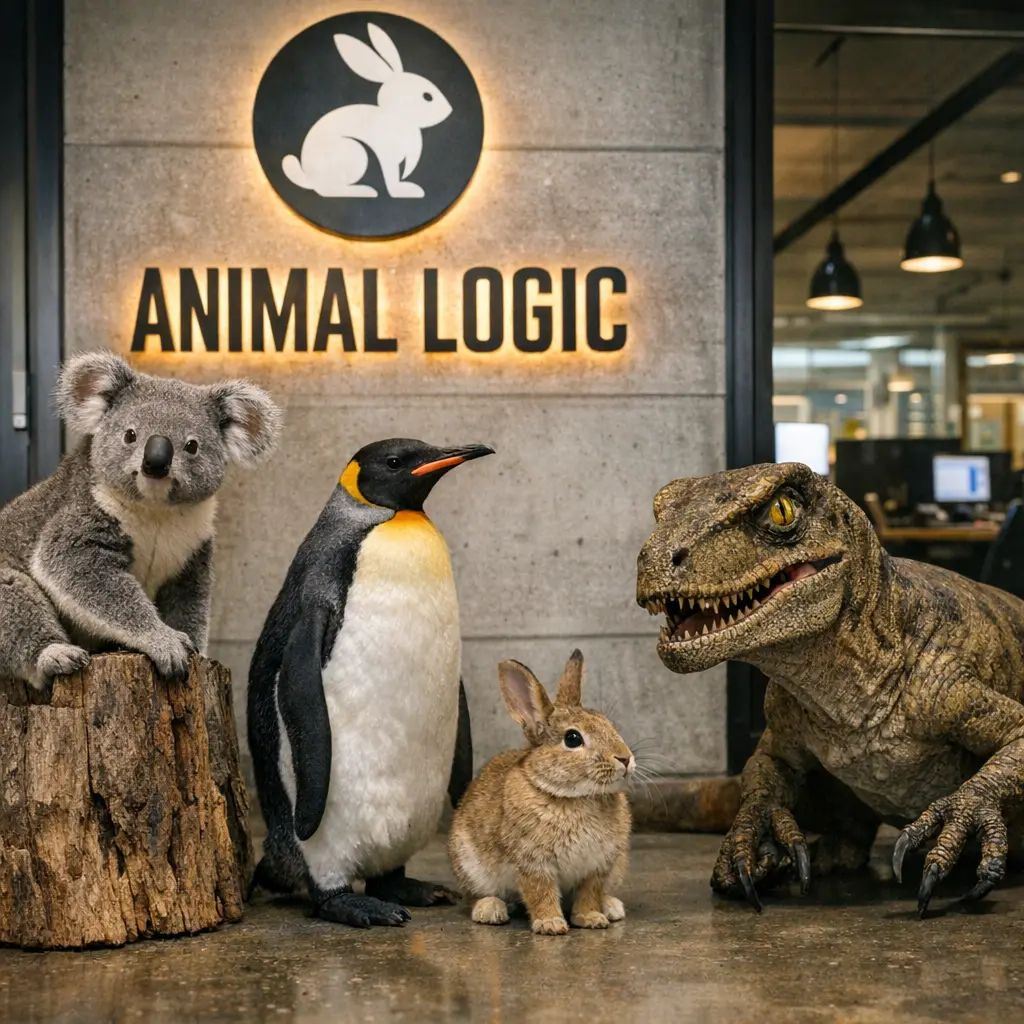
Animal Logic
"Animal Logic (Silly But Tricky Questions)" refers to a playful approach to reasoning, using animals in riddles or puzzles that seem simple or humorous but require clever thinking to solve. These questions often involve puns, unexpected answers, or twists, challenging the listener to look beyond literal meanings. The phrase highlights how logic can be both fun and deceptive, engaging people in critical thinking through lighthearted, animal-themed scenarios.
💡 Key Takeaways
- Understand what counts as problem-solving and logical thinking in animals.
- Identify examples of cognitive skills in animals, such as planning, tool use, and memory-based decisions.
- Differentiate between instinctive behaviors and learned strategies in animal behavior.
- Explore how ecology and social context shape animal reasoning across species.
❓ Frequently Asked Questions
What is animal logic?
Animal logic refers to how non‑human animals reason, solve problems, and make inferences—covering problem solving, planning, categorization, and understanding cause and effect.
Do animals think in a logical way or mainly rely on trial and error?
Many species use cognitive strategies beyond simple trial‑and‑error, including planning, inference, and rule‑based decisions. Results vary by species and task.
What is transitive inference in animals?
Transitive inference is inferring a relationship between two items based on a chain of known relations (e.g., if A > B and B > C, then A > C), shown in some birds and mammals.
How do researchers test animal logic?
Researchers use controlled puzzles and experiments—such as object discrimination tasks, transitive‑inference tests, and problem‑solving challenges—to measure reasoning and learning abilities.