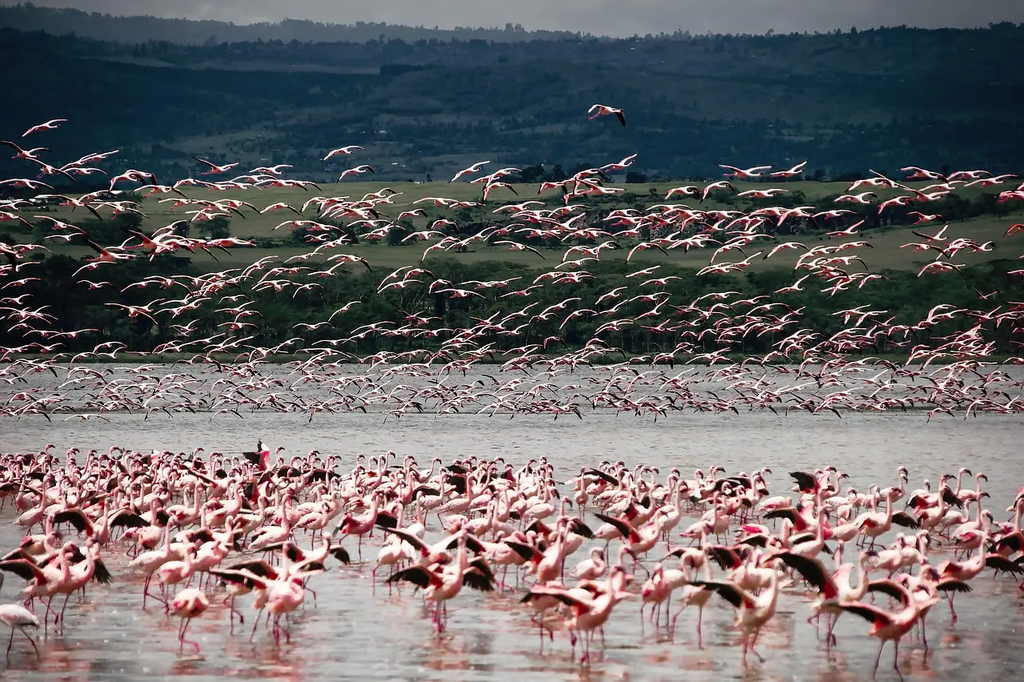
Animal migration patterns refer to the regular, often seasonal, movement of animals from one region to another in search of food, better climate, or breeding grounds. These journeys can span thousands of miles and involve remarkable navigation skills. Examples include birds flying south for the winter, whales traveling between feeding and breeding areas, and wildebeest crossing African plains. Migration is crucial for survival and showcases nature's incredible adaptability and instinct.
Animal Migration Patterns
Animal migration patterns refer to the regular, often seasonal, movement of animals from one region to another in search of food, better climate, or breeding grounds. These journeys can span thousands of miles and involve remarkable navigation skills. Examples include birds flying south for the winter, whales traveling between feeding and breeding areas, and wildebeest crossing African plains. Migration is crucial for survival and showcases nature's incredible adaptability and instinct.
💡 Key Takeaways
- Explain what animal migration is and why species undertake seasonal movements.
- Differentiate between long-distance and short-distance migrations with real-world examples.
- Identify the migration cues and navigation strategies animals use, such as day length, temperature, winds, and magnetic or celestial cues.
- Describe the ecological importance of migrations and common conservation challenges that threaten migratory routes.
❓ Frequently Asked Questions
What is animal migration?
The seasonal, large-scale movement of animals from one area to another, usually to access food, breed, or escape harsh conditions.
What are the main drivers of migration?
Food availability, breeding needs, and favorable climate or temperature patterns often trigger migrations tied to seasonal changes.
What are common migration patterns?
Latitudinal (north-south), altitudinal (up and down mountains), long-distance or circular migrations, and partial migrations where only some individuals move.
How do animals navigate during migration?
They use cues like the sun, stars, Earth's magnetic field, wind patterns, landmarks, and inherited instincts.