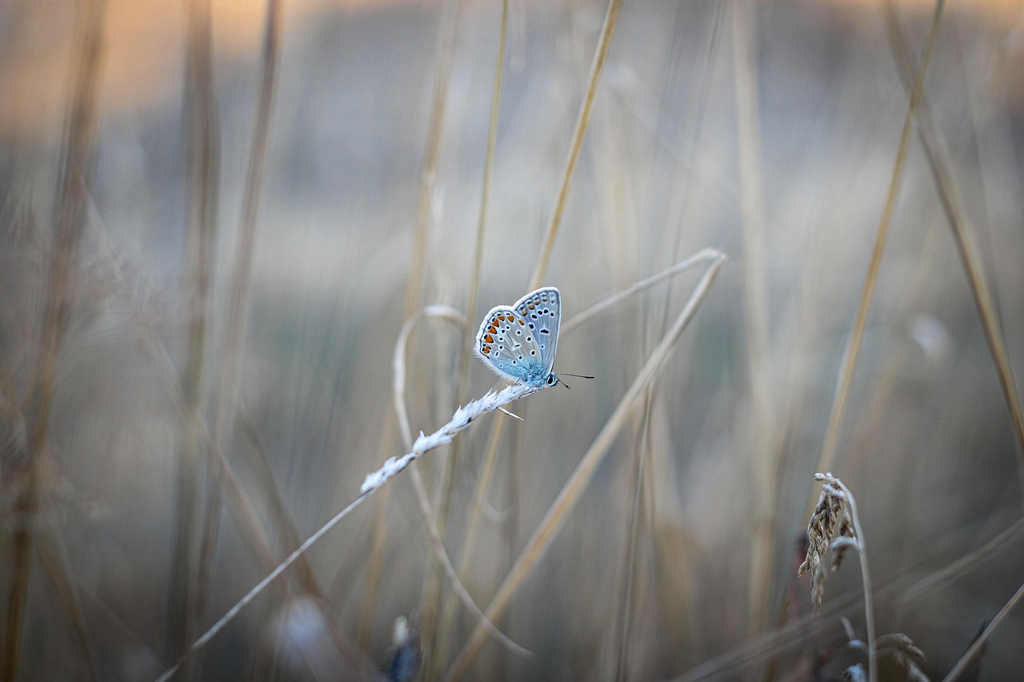
Animal mimicry, often described as "hidden in plain sight," refers to the fascinating survival strategy where animals imitate the appearance, behavior, or sounds of other species or their environment. This adaptation helps them avoid predators, lure prey, or gain other advantages. By blending in or resembling something less threatening or more dangerous, these creatures effectively deceive observers, making themselves difficult to detect or recognize in their natural surroundings.
Animal Mimicry
Animal mimicry, often described as "hidden in plain sight," refers to the fascinating survival strategy where animals imitate the appearance, behavior, or sounds of other species or their environment. This adaptation helps them avoid predators, lure prey, or gain other advantages. By blending in or resembling something less threatening or more dangerous, these creatures effectively deceive observers, making themselves difficult to detect or recognize in their natural surroundings.

💡 Key Takeaways
- Understand the concept of animal mimicry and why species imitate others
- Distinguish between Batesian, Müllerian, and aggressive mimicry with simple examples
- Identify classic real-world mimicry cases in insects and snakes
- Explain how mimicry shapes predator-prey interactions and survival strategies
❓ Frequently Asked Questions
What is animal mimicry?
A natural strategy where one species resembles another organism or its surroundings to gain an advantage, such as avoiding predators or deceiving prey.
What is Batesian mimicry?
A harmless species imitates the warning signals of a harmful or unpalatable one to deter predators (e.g., a harmless butterfly resembling the toxic monarch).
What is Müllerian mimicry?
Two or more unpalatable or harmful species share similar warning patterns to reinforce predator avoidance.
How is mimicry different from camouflage?
Camouflage hides by blending into the environment, while mimicry involves resembling another organism or object to deceive or warn, which may be more conspicuous.