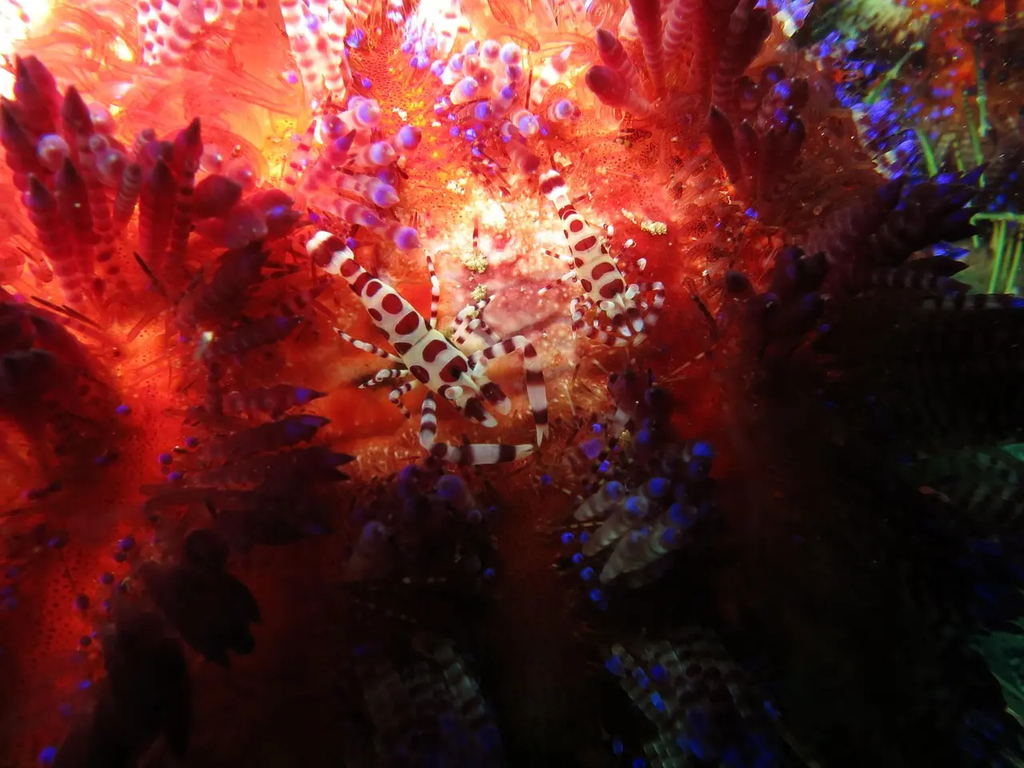
Animal morphological adaptations refer to the physical changes or features that animals develop over time to survive in their environments. These adaptations can include specialized body shapes, coloration, limb structures, or sensory organs. For example, webbed feet help ducks swim, while camouflaged fur helps arctic foxes blend into snowy landscapes. Such modifications enable animals to find food, escape predators, and thrive in diverse habitats, showcasing nature’s incredible creativity and resilience.
Animal Morphological Adaptations
Animal morphological adaptations refer to the physical changes or features that animals develop over time to survive in their environments. These adaptations can include specialized body shapes, coloration, limb structures, or sensory organs. For example, webbed feet help ducks swim, while camouflaged fur helps arctic foxes blend into snowy landscapes. Such modifications enable animals to find food, escape predators, and thrive in diverse habitats, showcasing nature’s incredible creativity and resilience.
💡 Key Takeaways
- Recognize key morphological traits animals use to survive, such as camouflage, mimicry, and protective coverings.
- Explain how body parts like wings, fins, claws, and beaks are adapted for specific movement and feeding strategies.
- Describe how different habitats (desert, aquatic, forest) shape morphology and the environmental pressures driving adaptation.
- Understand the form-to-function relationship behind features like fur, scales, blubber, and skeletal adaptations that aid temperature regulation, protection, and locomotion.
❓ Frequently Asked Questions
What are morphological adaptations?
Structural features that help an animal survive and reproduce in a specific environment, such as body shape, coloration, or specialized organs, developed through natural selection.
How does coloration help animals survive?
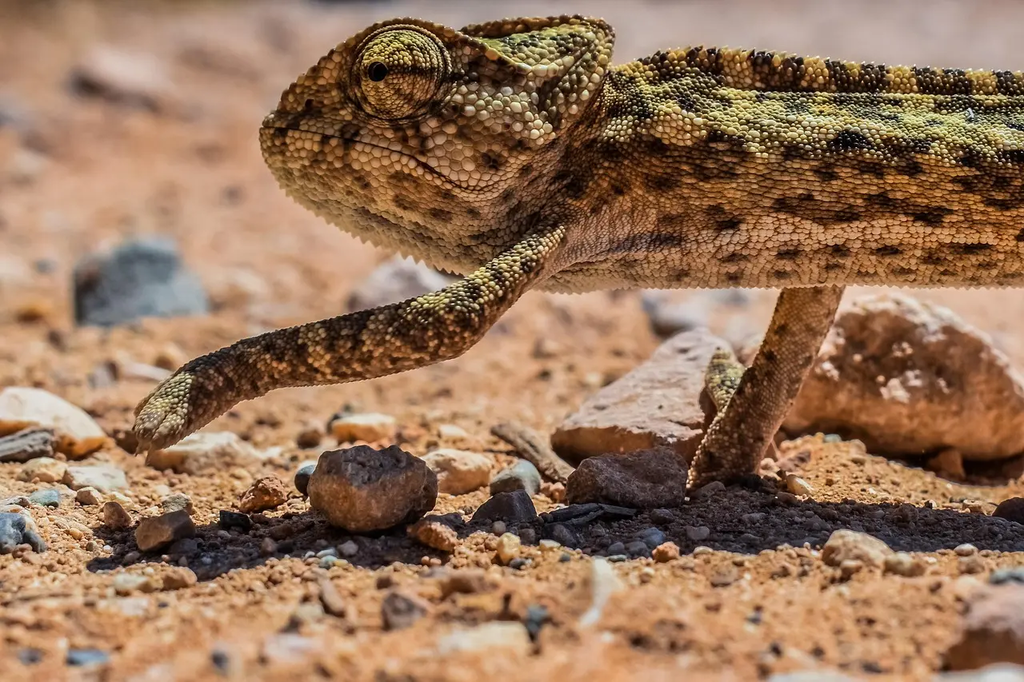
Color patterns provide camouflage, warning signals, or mating cues—helping to avoid predators or catch prey. Examples include white fur in arctic environments and color morphs that blend with surroundings.
What are common examples of morphological adaptations for feeding?
Tooth and beak shapes specialized for diet: flat molars for grinding plants, sharp canines for tearing meat, and elongated snouts or beaks for nectar or small prey.
How do morphological adaptations affect movement and locomotion?
Body shapes and limbs optimized for habitat: streamlined bodies and fins for swimming, wings for flight, and long legs or specialized hooves for efficient running.