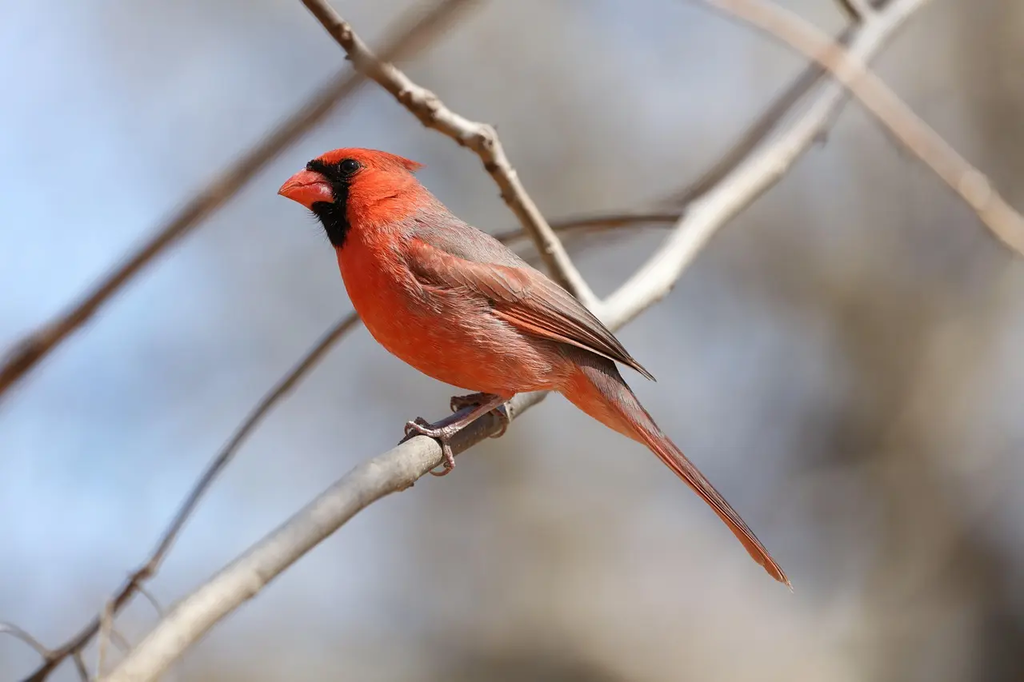
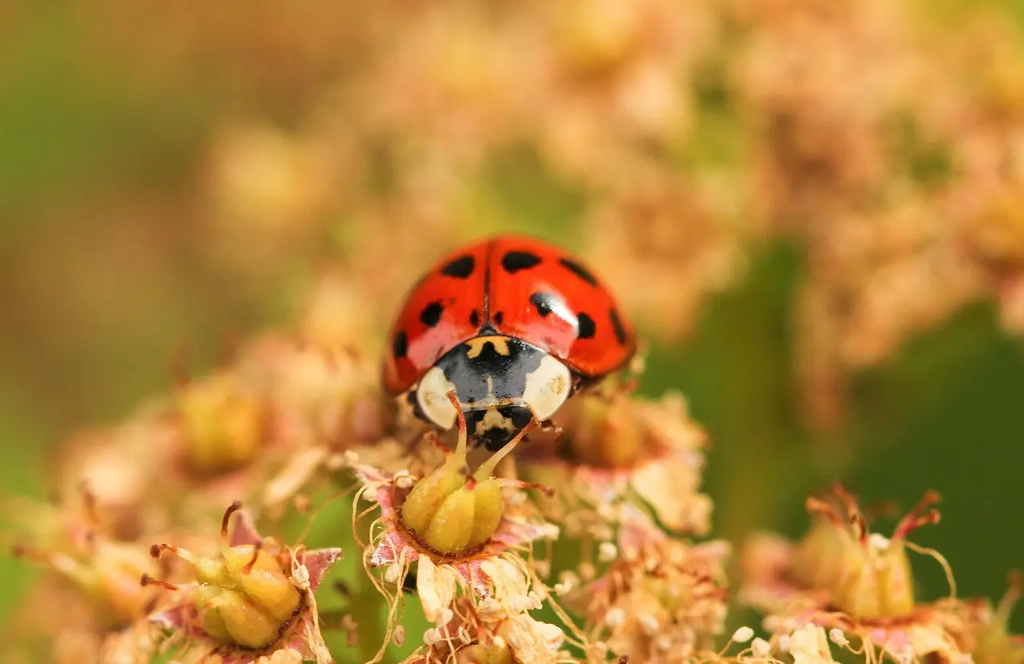
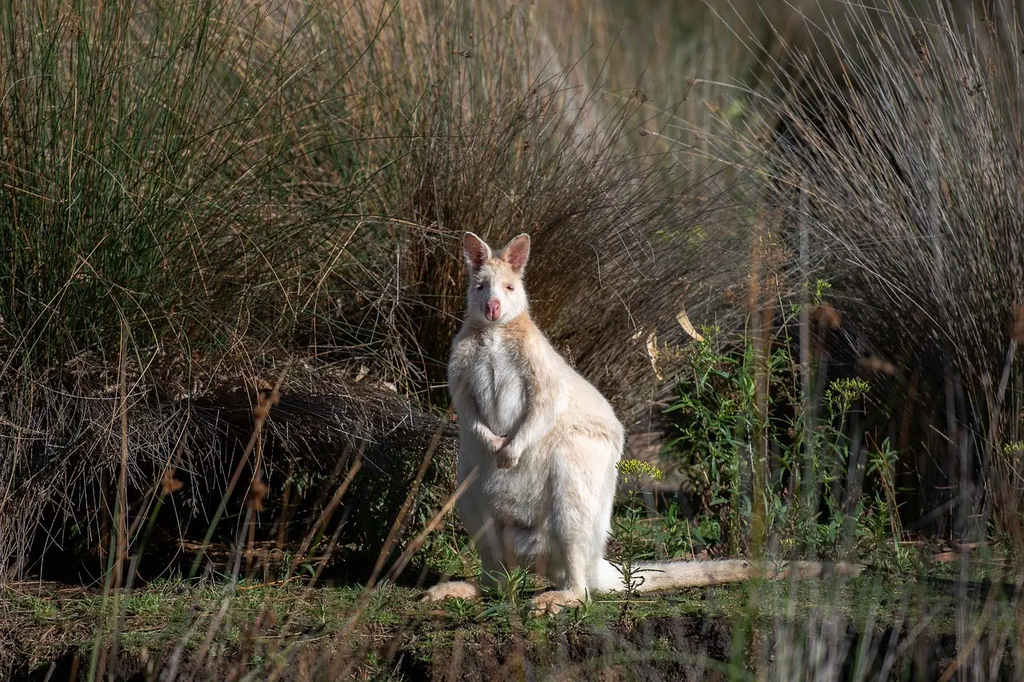
Animal movement types refer to the various ways animals travel through their environments, such as walking, running, swimming, flying, hopping, and slithering. Each species has evolved unique adaptations suited to its habitat and lifestyle. For example, birds have wings for flight, fish have fins for swimming, and snakes slither without limbs. These movement types showcase nature’s incredible diversity and ingenuity, revealing fascinating secrets about how animals survive and thrive in the wild.
Animal Movement Types+45
Animal movement types refer to the various ways animals travel through their environments, such as walking, running, swimming, flying, hopping, and slithering. Each species has evolved unique adaptations suited to its habitat and lifestyle. For example, birds have wings for flight, fish have fins for swimming, and snakes slither without limbs. These movement types showcase nature’s incredible diversity and ingenuity, revealing fascinating secrets about how animals survive and thrive in the wild.
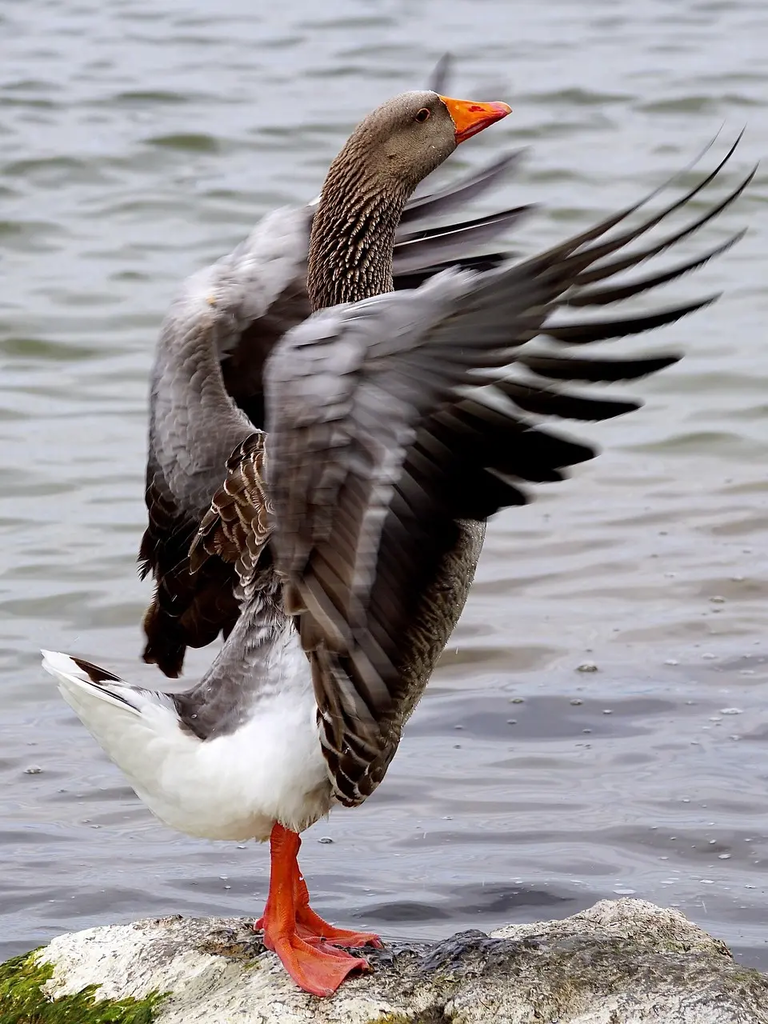
💡 Key Takeaways
- Identify common animal movement types (walking, running, hopping, swimming, flying) and their defining features.
- Describe the anatomical adaptations that enable different movements (limbs, fins, wings, body shape).
- Compare energy costs and environmental factors that influence movement choices.
- Provide real-world examples of animals for each movement type to illustrate diversity.
❓ Frequently Asked Questions
What does locomotion mean in animals?
Locomotion is how animals move from place to place. Common modes include walking, running, hopping, crawling/slithering, climbing, swimming, flying, and gliding.
How do walking and running differ?
Walking is a slower, steady gait using alternating legs; running is faster and often includes a moment when all feet are off the ground.
What is slithering?
Slithering is legless locomotion that uses body waves to push against the ground, seen in snakes and some lizards.
What is swimming?
Swimming is moving through water by paddling with limbs, using the tail, or undulating the body to propel forward.
What is the difference between flying and gliding?
Flying is powered flight using wings to generate lift and thrust; gliding is unpowered travel through air using extended surfaces to stay aloft after takeoff.