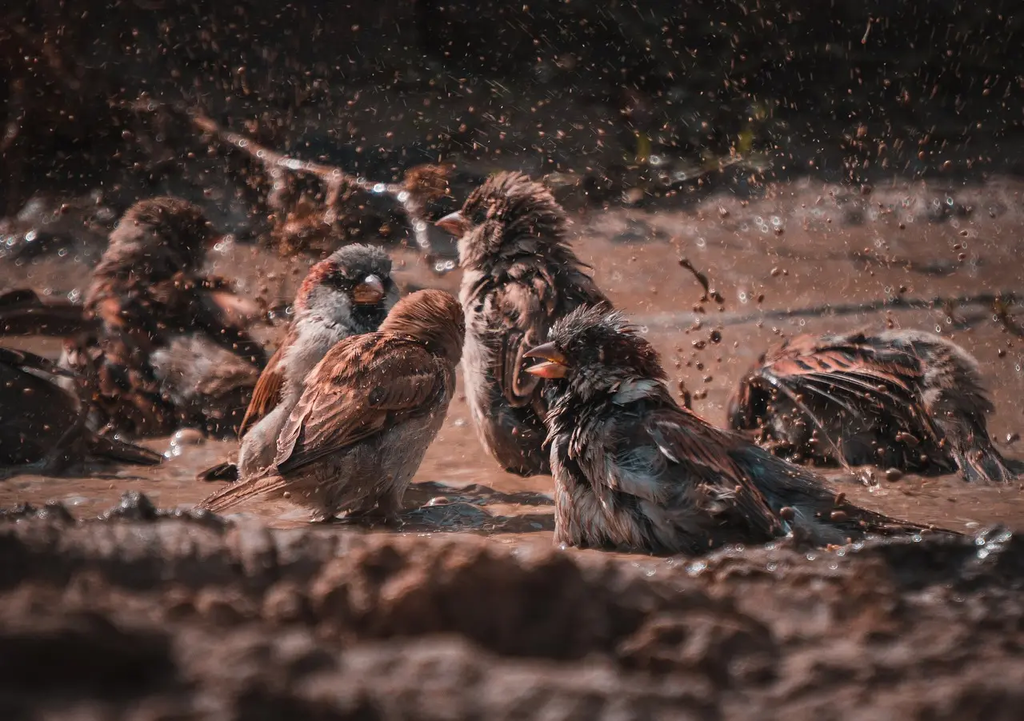
Animal play behavior refers to the spontaneous and often energetic activities animals engage in for enjoyment, learning, or social bonding rather than survival. These playful actions, seen in both young and adult animals, include chasing, wrestling, object manipulation, and mock fighting. Play helps animals develop physical skills, practice hunting or social strategies, and strengthen relationships within their group, revealing fascinating insights into their intelligence and emotional lives.
Animal Play Behavior
Animal play behavior refers to the spontaneous and often energetic activities animals engage in for enjoyment, learning, or social bonding rather than survival. These playful actions, seen in both young and adult animals, include chasing, wrestling, object manipulation, and mock fighting. Play helps animals develop physical skills, practice hunting or social strategies, and strengthen relationships within their group, revealing fascinating insights into their intelligence and emotional lives.
💡 Key Takeaways
- Understand what animal play is and why it matters for development and social skills
- Recognize different forms of play: social, locomotor, object, and play-chasing
- Explore how play contributes to learning, brain development, and practice of adult behaviors
- Consider factors that affect play, including age, species, environment, and welfare
- Learn observational tips to distinguish play from aggression or exploration
❓ Frequently Asked Questions
What is animal play behavior?
Animal play is voluntary, non-serious behavior with exaggerated actions that isn’t immediately tied to survival, often helping with learning and social bonding.
What are the main types of play observed in animals?
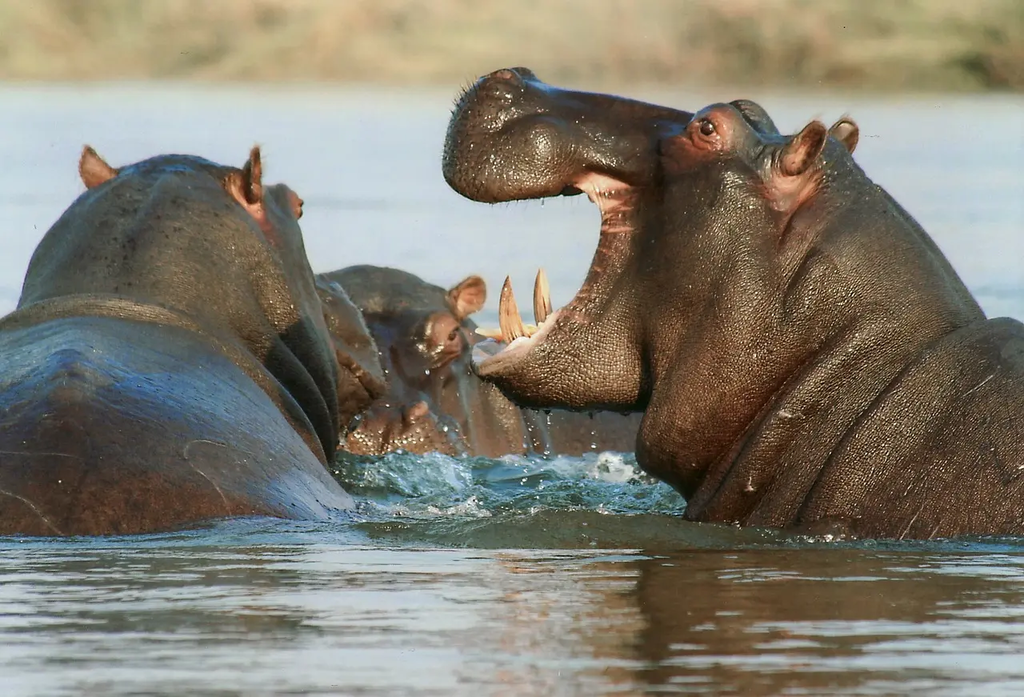
Locomotor play (movement like running), social play (between individuals), object play (manipulating items), and play fighting (mock sparring) are common types.
Why do animals engage in play?
Play helps develop motor and cognitive skills, practice social interactions, reduce stress, and strengthen bonds with others.
How can you tell play from aggression?
Play usually involves relaxed bodies, signals like play bows, reciprocal actions, and a willingness to continue; aggression is tense and may escalate harm.
Does play continue into adulthood?
Many species show most play in juveniles, but some adults still engage in playful activities, especially in social or enrichment contexts.