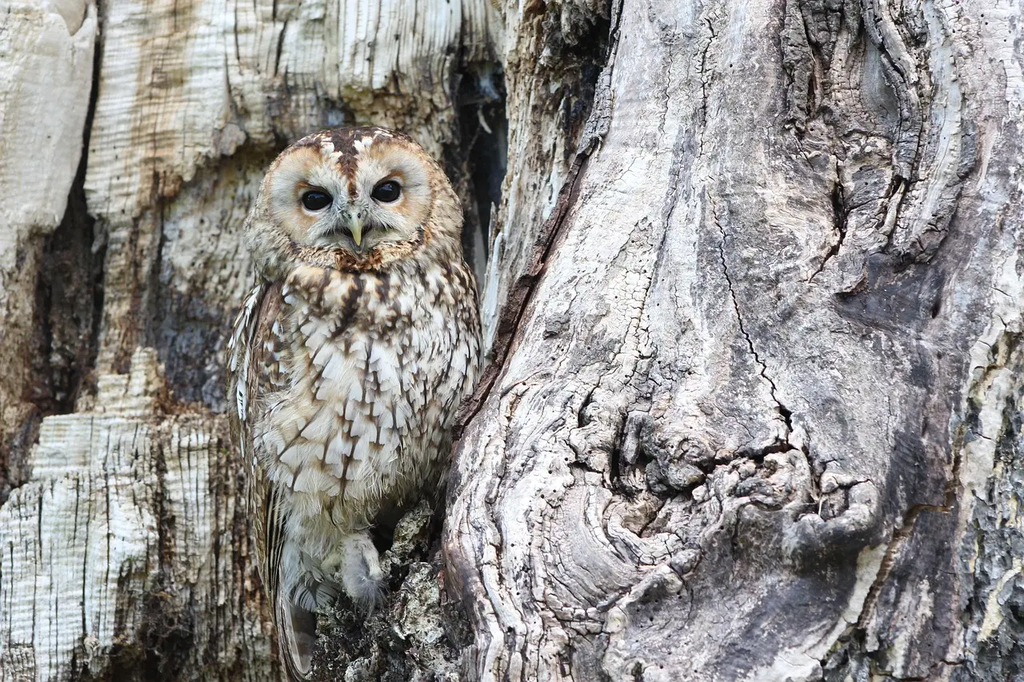
Animal Resource Allocation refers to the way animals distribute their limited energy and resources, such as food, time, and effort, to maximize survival and reproduction. This process involves making strategic decisions about where to invest resources—like caring for offspring, finding food, or defending territory. Nature’s wildest secrets often reveal fascinating adaptations, such as storing fat for hibernation or prioritizing mating displays, showcasing how animals balance competing needs in their environments.
Animal Resource Allocation
Animal Resource Allocation refers to the way animals distribute their limited energy and resources, such as food, time, and effort, to maximize survival and reproduction. This process involves making strategic decisions about where to invest resources—like caring for offspring, finding food, or defending territory. Nature’s wildest secrets often reveal fascinating adaptations, such as storing fat for hibernation or prioritizing mating displays, showcasing how animals balance competing needs in their environments.
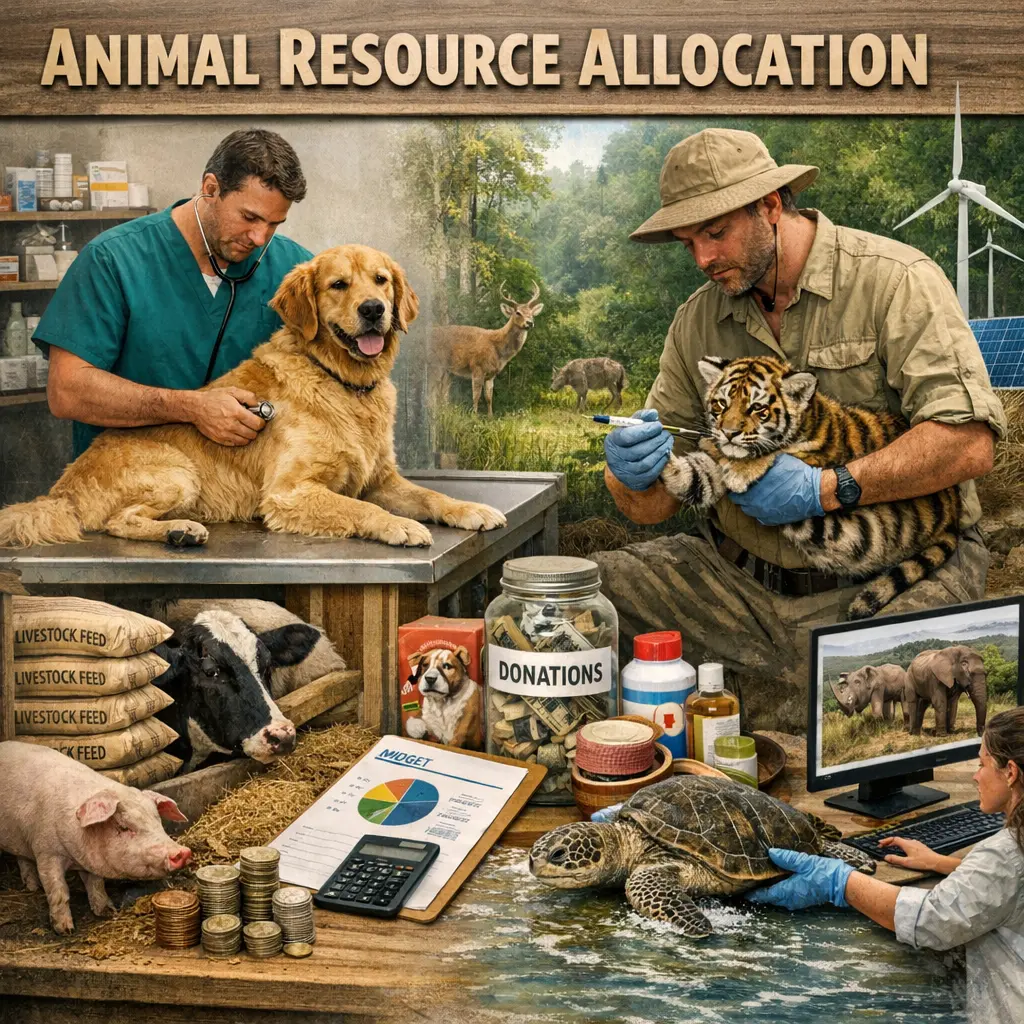
💡 Key Takeaways
- Explain how animals allocate energy to growth, reproduction, and maintenance and the trade-offs involved.
- Identify factors that influence resource allocation, such as nutrition, season, and age.
- Describe common methods to study energy budgeting and resource allocation (e.g., metabolic rate, body composition).
- Compare resource allocation strategies across major animal groups (mammals, birds, insects) and their evolutionary implications.
❓ Frequently Asked Questions
What is animal resource allocation?
The way an animal distributes limited resources (energy, nutrients, time) among maintenance, growth, reproduction, and activity to survive and function.
What is an energy budget in animals?
A plan showing how energy intake is partitioned into maintenance, production, activity, and reproduction, given intake and costs.
What factors influence resource allocation decisions in animals?
Genetics, age/physiological state, health, nutrition, environment, and stress.
How can nutrition and management optimize resource allocation?
Provide a balanced diet with adequate energy and protein, consistent feeding, good housing, and stress reduction to support maintenance while enabling growth or production.