Animal Seasonal Changes refer to the fascinating adaptations animals make throughout the year in response to shifting weather and environmental conditions. These changes can include migration, hibernation, growing thicker fur, or changing colors for camouflage. Such behaviors help animals survive harsh climates, find food, and reproduce successfully. Nature’s wildest secrets are revealed in these remarkable strategies, showcasing the resilience and ingenuity of wildlife in adapting to seasonal challenges.
Animal Seasonal Changes
Animal Seasonal Changes refer to the fascinating adaptations animals make throughout the year in response to shifting weather and environmental conditions. These changes can include migration, hibernation, growing thicker fur, or changing colors for camouflage. Such behaviors help animals survive harsh climates, find food, and reproduce successfully. Nature’s wildest secrets are revealed in these remarkable strategies, showcasing the resilience and ingenuity of wildlife in adapting to seasonal challenges.
💡 Key Takeaways
- How daylight and seasons drive migration, hibernation, and reproduction.
- Seasonal physical changes: coat molt, fat storage, and shifts in activity.
- How temperature and food availability shape seasonal behavior and life cycles.
- Examples of animals using seasonal strategies across different habitats.
❓ Frequently Asked Questions
What is hibernation, and which animals typically hibernate?
Hibernation is a deep, seasonal dormancy in winter where an animal’s metabolism and body temperature drop to conserve energy when food is scarce. Not all animals hibernate; examples include certain rodents and bears.
Why do animals migrate, and what triggers their seasonal movements?
Migration is the seasonal long-distance movement to find food and better climates. It’s often triggered by shorter days, colder temperatures, and changing food availability.
How do animals adapt to winter with fur, feathers, or coloration?
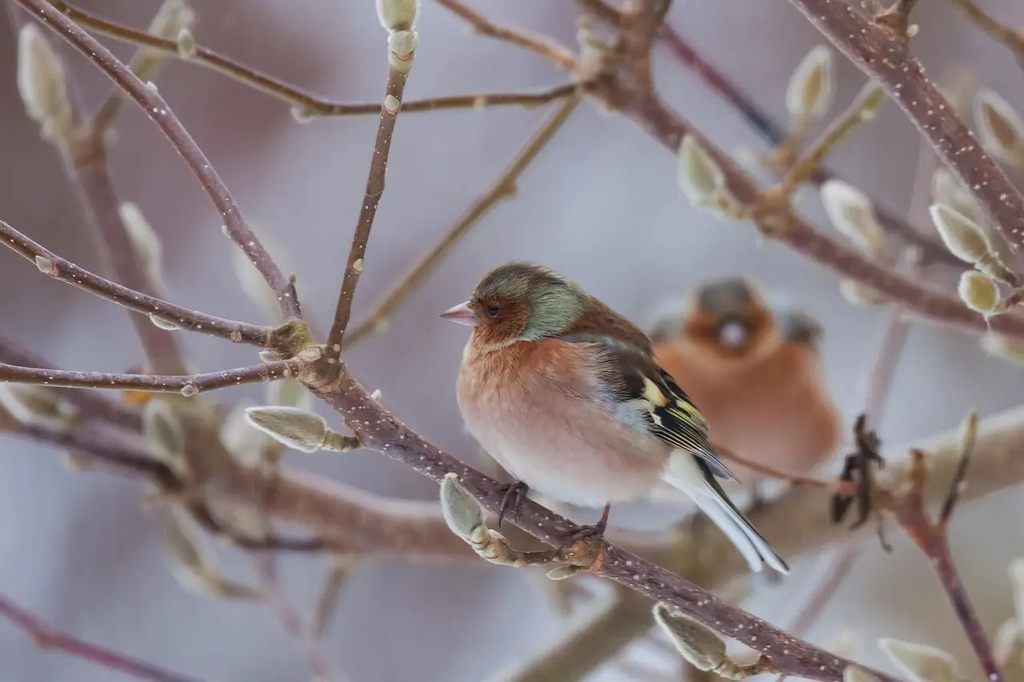
Many animals grow thicker fur or more insulating feathers and may molt to shed old coats. Some also change color to blend into snowy environments.
What is estivation, and when do animals use it?
Estivation is a summer dormancy used by some animals during hot, dry periods to conserve water and energy.