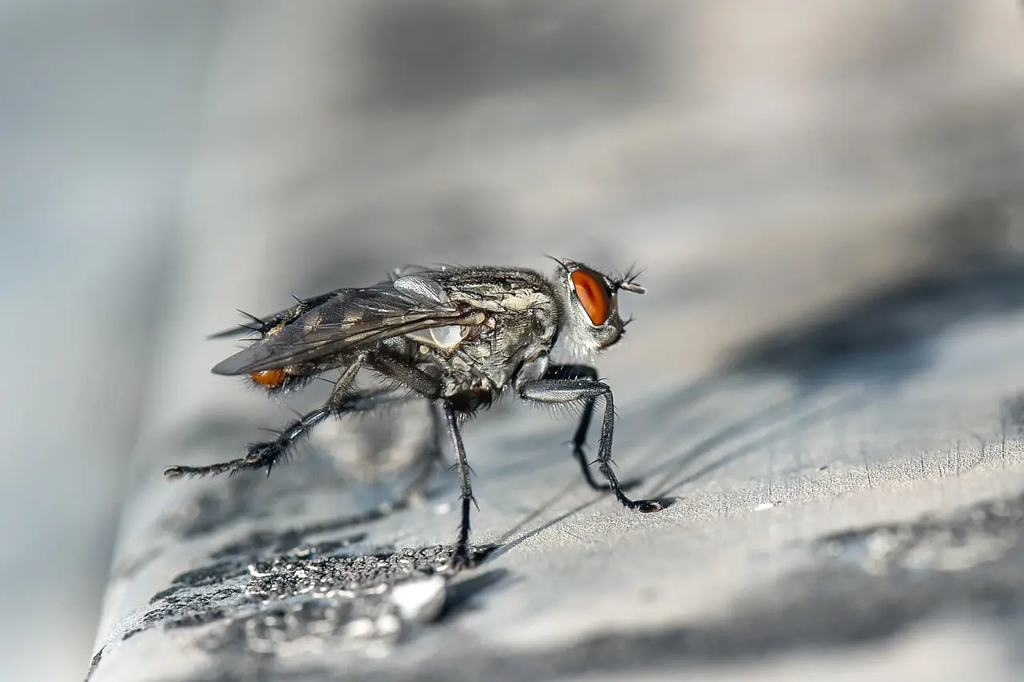
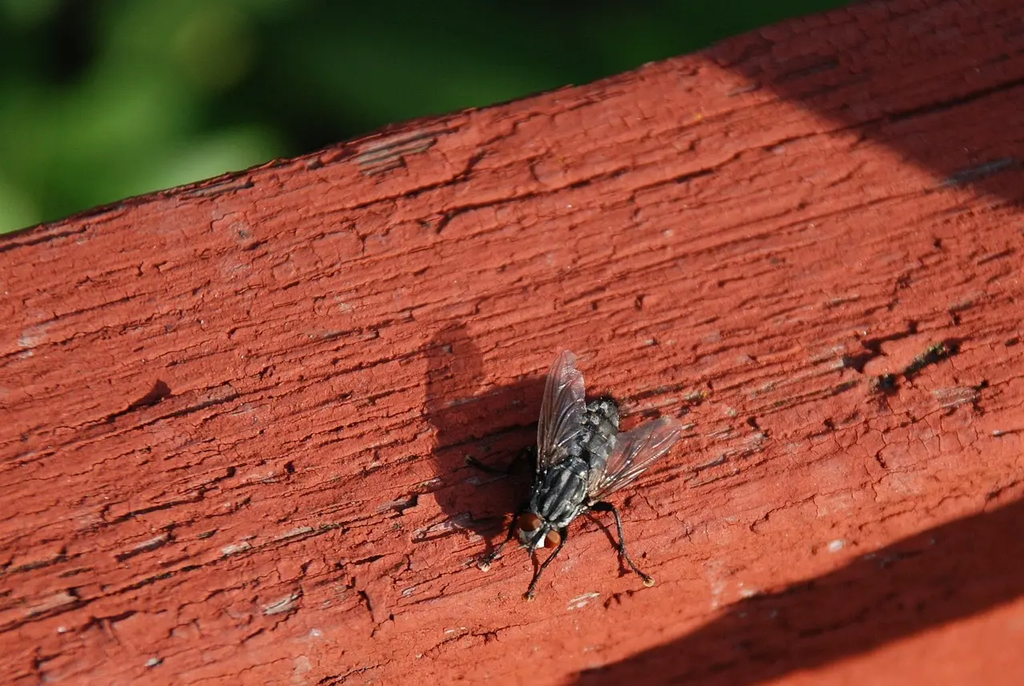
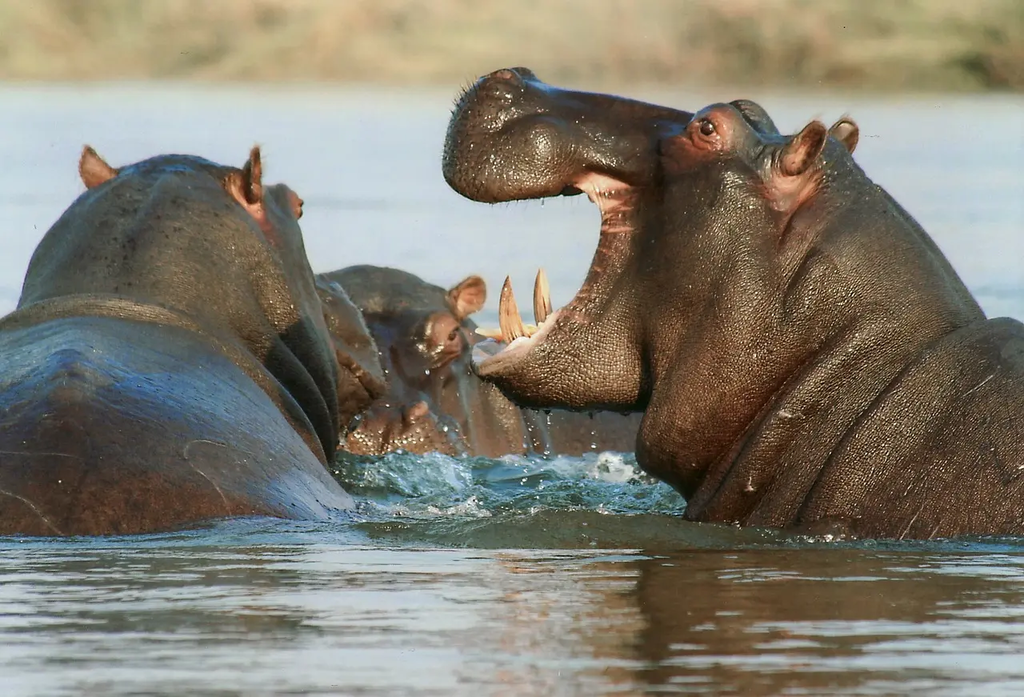
Animal sensory perception refers to the unique ways animals interpret the world using their senses. Unlike humans, many animals possess extraordinary abilities, such as echolocation in bats, ultraviolet vision in bees, or the ability to detect electrical fields in sharks. These specialized senses help animals find food, avoid predators, and communicate, revealing fascinating secrets about how diverse and remarkable nature’s adaptations can be.
Animal Sensory Perception
Animal sensory perception refers to the unique ways animals interpret the world using their senses. Unlike humans, many animals possess extraordinary abilities, such as echolocation in bats, ultraviolet vision in bees, or the ability to detect electrical fields in sharks. These specialized senses help animals find food, avoid predators, and communicate, revealing fascinating secrets about how diverse and remarkable nature’s adaptations can be.
💡 Key Takeaways
- Compare animal senses (sight, hearing, smell, taste, touch) with human perception.
- Explore specialized senses (echolocation, magnetoreception, electroreception) and their uses.
- See how perception guides foraging, predator avoidance, and communication.
- Learn how environment and anatomy influence sensing abilities across species.
❓ Frequently Asked Questions
What does animal sensory perception mean?
The ability of animals to detect and interpret information from their surroundings using specialized sense organs and nervous systems.
What are the traditional five senses in many animals?
Sight, hearing, taste, smell, and touch.
What is echolocation and which animals use it?
Echolocation is producing sounds and listening for echoes to locate objects; used by bats, dolphins, and some whales.
What is electroreception and which animals have it?
The ability to detect electric fields in the environment, common in sharks, rays, and some electric fish to sense prey.
What is magnetoreception and why is it important?
The sense of Earth's magnetic field that helps navigation in birds, turtles, and some other animals.