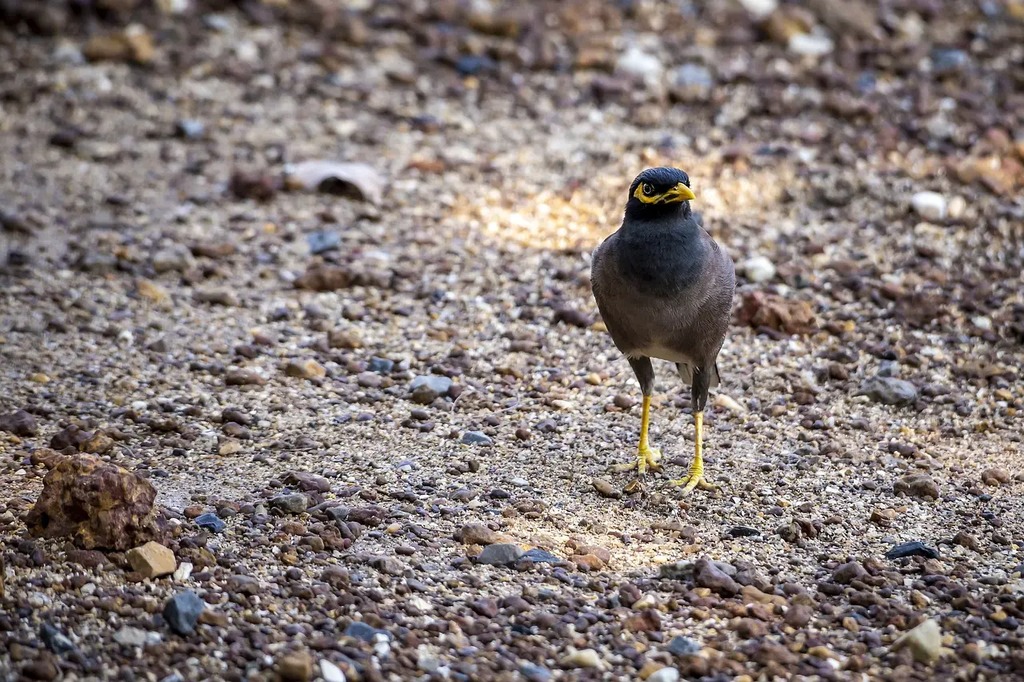
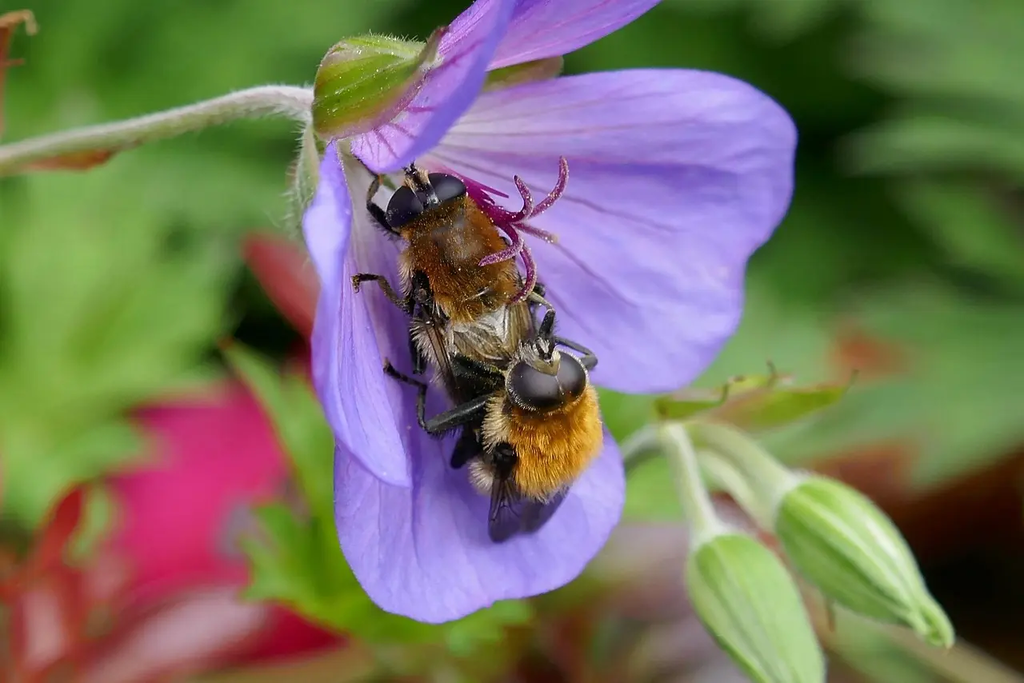
Animal symbiotic relationships are fascinating interactions where two different species live closely together, often benefiting one or both partners. Examples include cleaner fish removing parasites from larger fish, birds eating insects off mammals, or bees pollinating flowers while collecting nectar. These partnerships showcase nature’s creativity, with some animals forming lifelong bonds and others cooperating only briefly. Such relationships help maintain balance in ecosystems and reveal the amazing ways animals adapt and thrive together.
Animal Symbiotic Relationships
Animal symbiotic relationships are fascinating interactions where two different species live closely together, often benefiting one or both partners. Examples include cleaner fish removing parasites from larger fish, birds eating insects off mammals, or bees pollinating flowers while collecting nectar. These partnerships showcase nature’s creativity, with some animals forming lifelong bonds and others cooperating only briefly. Such relationships help maintain balance in ecosystems and reveal the amazing ways animals adapt and thrive together.
💡 Key Takeaways
- Understand what constitutes a symbiotic relationship and how it differs from other interactions.
- Distinguish the three main types of symbiosis—mutualism, commensalism, and parasitism—with straightforward animal examples.
- Recall well-known animal symbioses (clownfish–sea anemone, remora–shark, oxpecker–mammal) and explain the benefit to each partner.
- Explain how symbioses can influence ecosystems and drive co-evolution.
❓ Frequently Asked Questions
What is a symbiotic relationship?
A close, long-term interaction between two different species. It includes mutualism, commensalism, and parasitism.
What is mutualism?
A type of symbiosis where both species benefit (e.g., bees pollinating flowers while obtaining nectar).
What is commensalism?
A relationship where one species benefits and the other is neither helped nor harmed (e.g., barnacles on whales or cattle egrets following grazing animals).
What is parasitism?
A relationship where one species benefits at the expense of the other (the parasite benefits, the host may be harmed; e.g., ticks on a dog).