"Animal Tracks (Visual Challenge Vault)" refers to a collection or repository of visual puzzles centered around identifying and interpreting animal footprints. Participants are challenged to recognize and match various tracks to the animals that made them, enhancing observational skills and knowledge of wildlife. This vault likely contains a range of difficulty levels, encouraging users to test and expand their understanding of animal behavior and movement through engaging, image-based challenges.
Animal Tracks
"Animal Tracks (Visual Challenge Vault)" refers to a collection or repository of visual puzzles centered around identifying and interpreting animal footprints. Participants are challenged to recognize and match various tracks to the animals that made them, enhancing observational skills and knowledge of wildlife. This vault likely contains a range of difficulty levels, encouraging users to test and expand their understanding of animal behavior and movement through engaging, image-based challenges.
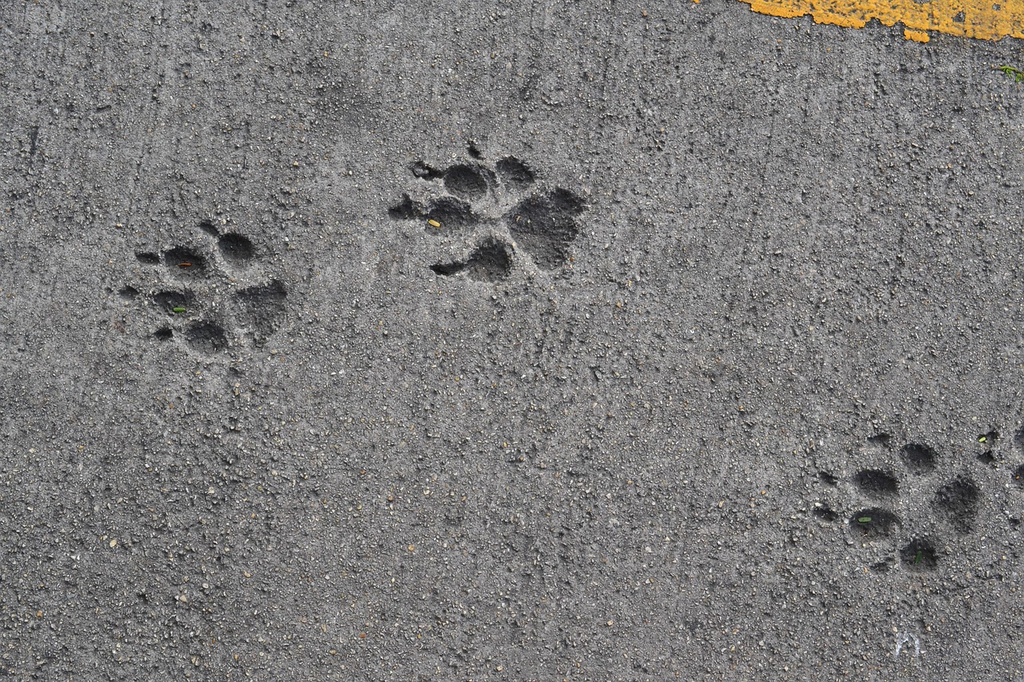
💡 Key Takeaways
- Identify common animal tracks by shape, size, and claw marks to distinguish species.
- Infer movement and behavior from prints and trackways—direction of travel, gait, and speed.
- Use basic field techniques to document tracks: measure prints, sketch or photograph, and note location.
- Understand how weather, substrate, and track age affect visibility and interpretation of tracks.
❓ Frequently Asked Questions
What are animal tracks?
Animal tracks are the footprints left as an animal moves. Each print shows the shape, size, and arrangement of toes and pads and can help identify the species and movement.
How can you tell carnivore tracks from herbivore tracks?
Carnivore tracks often show visible claws and a more elongated toe pattern, while herbivore tracks (hoofed or padded feet) show hoof imprints or rounded pads without visible claws.
What can track spacing tell you about an animal's gait?
The distance and pattern between prints reveal the gait: short, regular spacing usually means walking; longer, evenly spaced prints indicate trotting or running.
What other clues help identify which animal left the tracks?
Claw marks, pad shape, track depth, substrate impressions, nearby scat, fur on prints, and habitat context all help narrow the species.