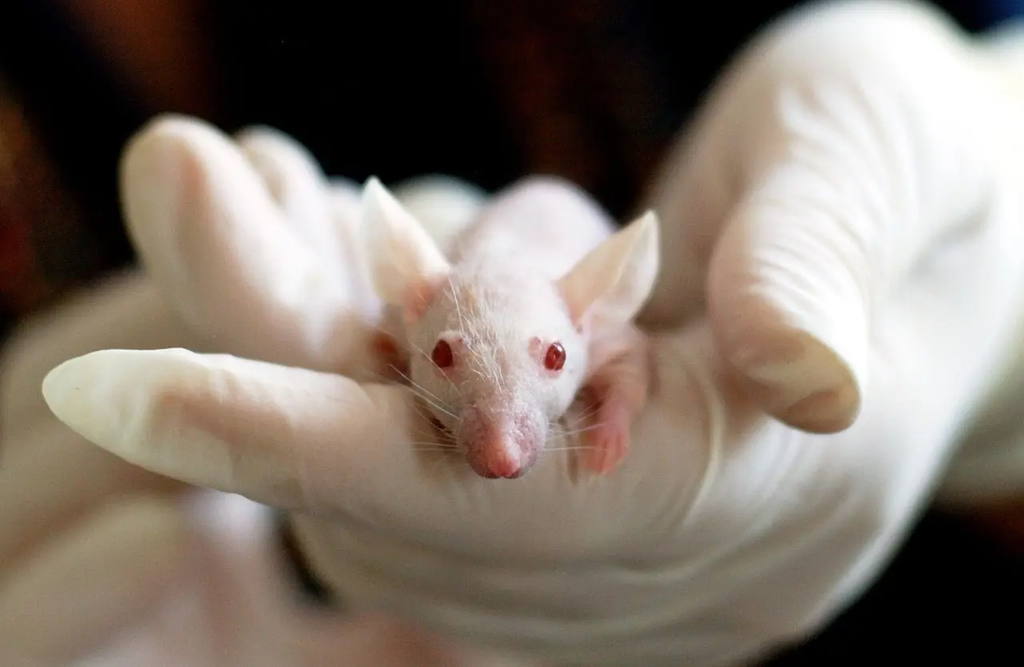
Animal Welfare Law and Policy refers to the legal frameworks and governmental strategies designed to protect animals from harm, abuse, and neglect. These laws establish standards for humane treatment, regulate industries involving animals, and set penalties for violations. Policy development involves balancing ethical considerations, scientific research, and societal values to ensure animal well-being. Together, they aim to promote responsible animal stewardship and enhance the quality of life for both animals and humans within society.
Animal Welfare Law and Policy
Animal Welfare Law and Policy refers to the legal frameworks and governmental strategies designed to protect animals from harm, abuse, and neglect. These laws establish standards for humane treatment, regulate industries involving animals, and set penalties for violations. Policy development involves balancing ethical considerations, scientific research, and societal values to ensure animal well-being. Together, they aim to promote responsible animal stewardship and enhance the quality of life for both animals and humans within society.
💡 Key Takeaways
- Understand the purpose of animal welfare laws and policies to protect animals from harm, abuse, and neglect.
- Identify standards for humane treatment and how they apply to daily animal care.
- See how laws regulate industries that use animals (pets, farming, research, entertainment) to ensure ethical practices.
- Learn how policy development and enforcement work, including penalties for violations.
❓ Frequently Asked Questions
What is animal welfare law?
Animal welfare law is the legal framework that protects animals from harm, requires humane treatment, and governs activities involving animals.
What do these laws regulate?
They set standards for humane treatment, require licensing and inspections of facilities, regulate transport, breeding, sale, and handling of animals, and establish penalties for cruelty or neglect.
Who enforces these laws and what happens if they are violated?
Government agencies and inspectors enforce them. Violations can lead to fines, imprisonment, license suspension or revocation, and mandatory corrective actions.
How are animal welfare policies developed?
Policies are developed through research, stakeholder input, and public consultation, then drafted and adopted by authorities and periodically reviewed.