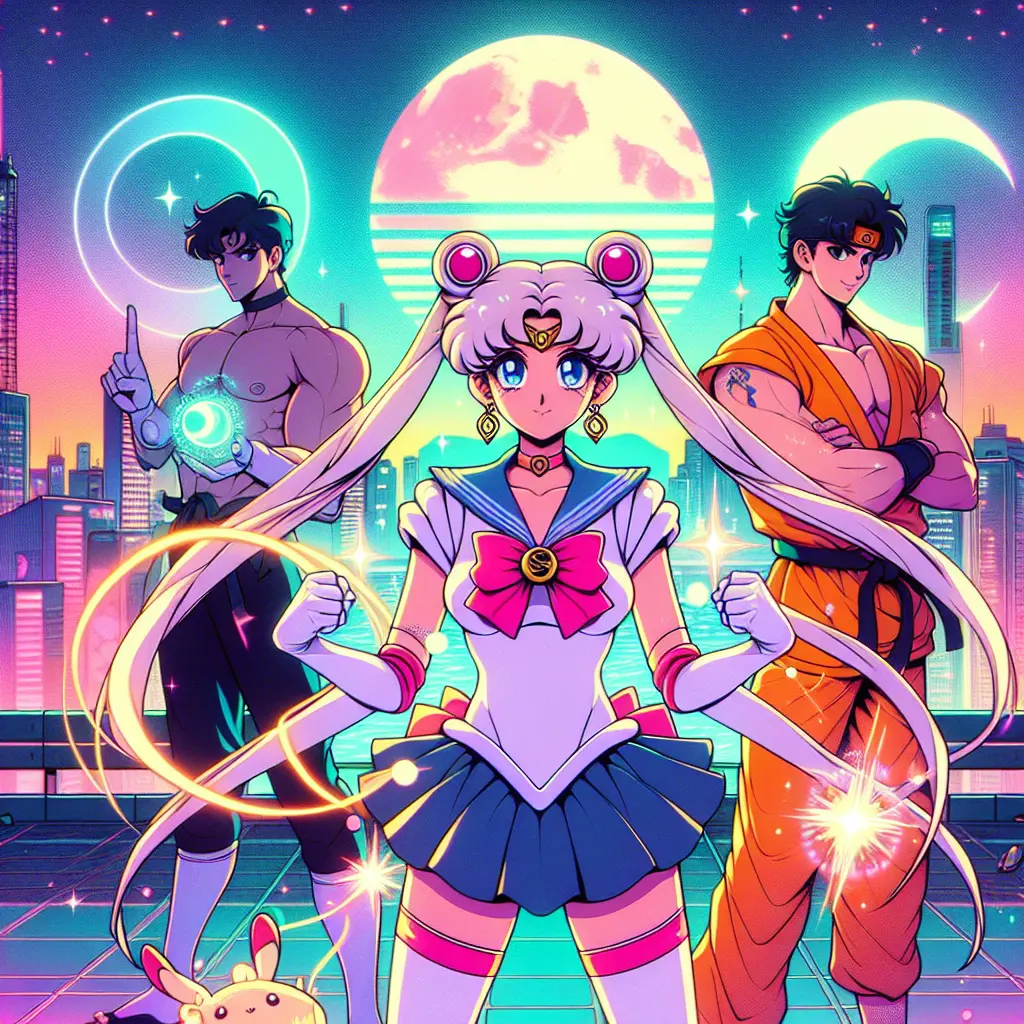
Anime's 90s breakthrough refers to the global rise in popularity of Japanese animated series like Sailor Moon, Dragon Ball Z, and Pokémon. These shows captivated audiences with their unique art styles, engaging storylines, and memorable characters. Their success helped introduce anime to mainstream Western audiences, paving the way for future series and significantly influencing pop culture, merchandise, and the perception of animation outside Japan.
Anime's 90s Breakthrough (Sailor Moon, DBZ, Pokemon)
Anime's 90s breakthrough refers to the global rise in popularity of Japanese animated series like Sailor Moon, Dragon Ball Z, and Pokémon. These shows captivated audiences with their unique art styles, engaging storylines, and memorable characters. Their success helped introduce anime to mainstream Western audiences, paving the way for future series and significantly influencing pop culture, merchandise, and the perception of animation outside Japan.
💡 Key Takeaways
- Identify the key 90s milestones (Sailor Moon, Dragon Ball Z, Pokémon) and their role in launching anime globally.
- Explain how 90s art styles, character designs, and storytelling hooked audiences across cultures.
- Describe how localization, broadcasting expansion, and merchandising helped anime enter mainstream markets.
- Recognize the lasting impact of the 90s breakthrough on later series and nostalgia-driven media.
❓ Frequently Asked Questions
What does the '90s breakthrough' refer to in anime?
It describes the global rise of Japanese anime in the 1990s, moving from niche content to mainstream entertainment thanks to popular shows like Sailor Moon, Dragon Ball Z, and Pokémon.
Why were Sailor Moon, Dragon Ball Z, and Pokémon especially influential in the 90s?
They introduced iconic characters and formats: Sailor Moon popularized the magical girl genre with strong heroines; Dragon Ball Z popularized long, action-packed battles; Pokémon created a cross‑media phenomenon with games, cards, and the anime.
How did anime reach audiences worldwide in the 1990s?
Through localization and dubbing, TV broadcasts (e.g., Toonami in the US), VHS/DVD releases, and growing internet access, along with widespread merchandising.
What lasting impact did the 90s breakthrough have on anime and pop culture?
It established anime as a global mainstream medium, inspired new fans and creators, and set the pattern for international distribution and cross‑media franchises.