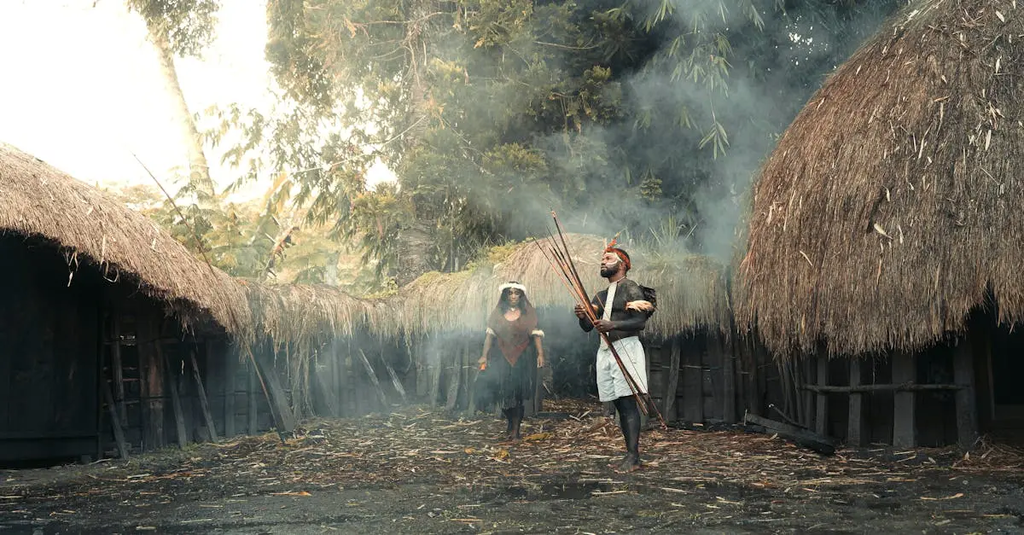
Anthropology is the holistic study of humans, their societies, cultures, and biological aspects across time. Ethnography is a key research method within anthropology, involving immersive observation and detailed documentation of a particular group’s way of life. While anthropology encompasses broad theoretical frameworks and comparative analysis, ethnography focuses on in-depth, firsthand understanding of cultural practices, beliefs, and social interactions within specific communities. Both contribute to understanding human diversity and cultural complexity.
Anthropology & Ethnography
Anthropology is the holistic study of humans, their societies, cultures, and biological aspects across time. Ethnography is a key research method within anthropology, involving immersive observation and detailed documentation of a particular group’s way of life. While anthropology encompasses broad theoretical frameworks and comparative analysis, ethnography focuses on in-depth, firsthand understanding of cultural practices, beliefs, and social interactions within specific communities. Both contribute to understanding human diversity and cultural complexity.
💡 Key Takeaways
- Define anthropology as the holistic study of humans—cultures, societies, biology—and their development over time.
- Explain ethnography as an immersive research method that observes and documents a group's daily life.
- Identify common ethnographic methods such as participant observation, interviews, and detailed field notes.
- Recognize ethical considerations in ethnography, including informed consent, privacy, and respectful representation.
❓ Frequently Asked Questions
What is anthropology?
Anthropology is the holistic study of humans, exploring biological and cultural aspects across time and space.
What is ethnography?
Ethnography is a qualitative research method in anthropology that uses immersive fieldwork and detailed documentation to understand a group's way of life.
What does 'holistic' mean in anthropology?
Holistic means integrating biological, cultural, linguistic, archaeological, and historical perspectives rather than studying them separately.
How is ethnography conducted?
Through participant observation, interviews, and close observation while living among the community, collecting notes and artifacts to describe patterns of behavior and meaning.
What are the main subfields of anthropology?
Cultural (social) anthropology, biological (physical) anthropology, archaeology, and linguistic anthropology.