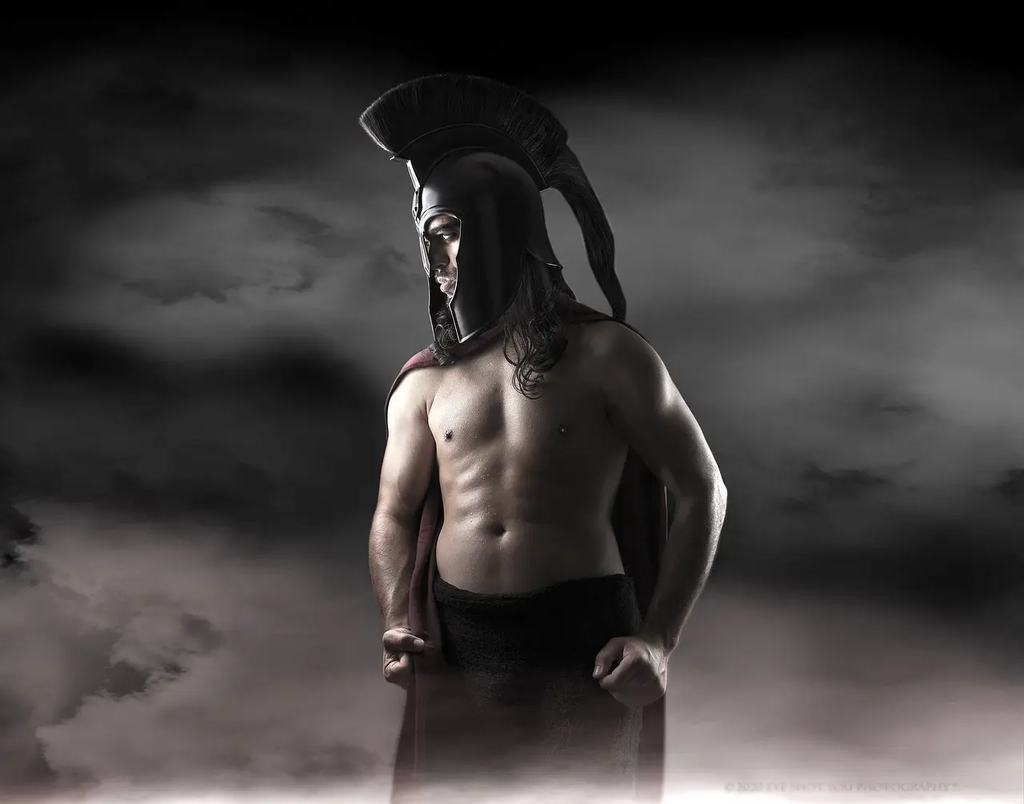
Anti-heroes in literature are complex protagonists who lack traditional heroic qualities such as idealism or morality. They often display flawed, ambiguous traits, blurring the line between hero and villain. This ambiguity challenges readers to question their own definitions of good and evil. Often driven by personal motives, anti-heroes engage audiences by presenting relatable, realistic struggles, making their journey a compelling character challenge that defies simple categorization.
Anti-Heroes in Literature
Anti-heroes in literature are complex protagonists who lack traditional heroic qualities such as idealism or morality. They often display flawed, ambiguous traits, blurring the line between hero and villain. This ambiguity challenges readers to question their own definitions of good and evil. Often driven by personal motives, anti-heroes engage audiences by presenting relatable, realistic struggles, making their journey a compelling character challenge that defies simple categorization.

💡 Key Takeaways
- Identify what makes a character an anti-hero in literature
- Compare anti-heroes to traditional heroes and villains
- Analyze how authors use flawed motivations to drive plot and theme
- Recognize common anti-hero traits, such as moral ambiguity and self-interest
- Evaluate how anti-hero stories shape the reader’s expectations and empathy
❓ Frequently Asked Questions
What is an anti-hero in literature?
An anti-hero is a main character who lacks traditional heroic qualities like morality, courage, or honor, but still drives the story.
How is an anti-hero different from a traditional hero?
A traditional hero is usually virtuous and serves as a clear moral model, while an anti-hero often makes flawed, morally ambiguous choices.
Why do authors use anti-heroes?
They add complexity and realism by reflecting human flaws, challenging clear-cut morality, and creating more engaging character conflicts.
What traits commonly define anti-heroes?
Common traits include cynicism, selfishness, reluctance, vulnerability, questionable ethics, or motives that are not purely altruistic.
Can an anti-hero still be a sympathetic character?
Yes. Many anti-heroes are sympathetic because the reader understands their motivations, struggles, or past experiences—even if their actions are imperfect.