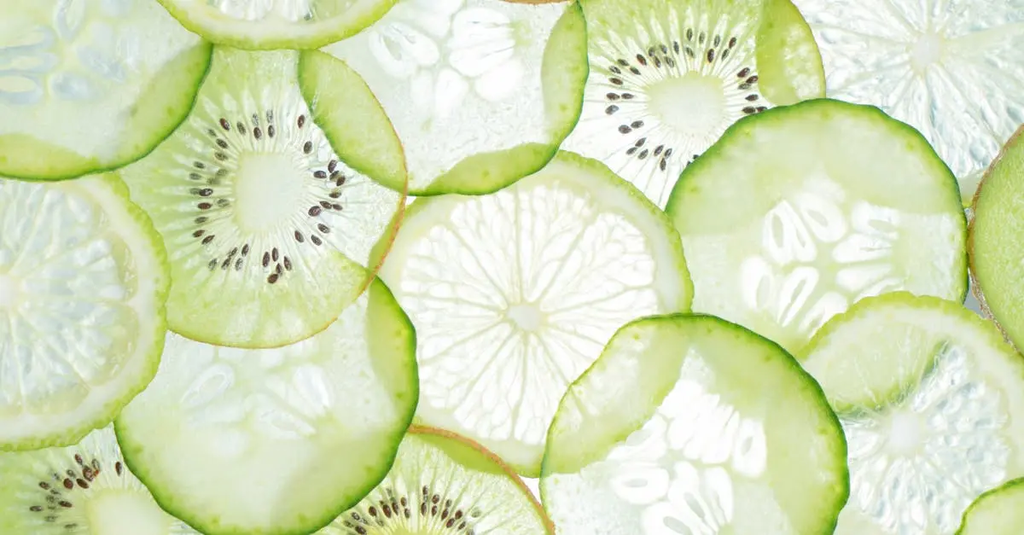
Antioxidants and phytochemicals are naturally occurring compounds found in many plant-based foods. Antioxidants help protect the body’s cells from damage caused by free radicals, which are unstable molecules linked to aging and various diseases. Phytochemicals, such as flavonoids and carotenoids, are bioactive substances that contribute to the color, flavor, and health benefits of fruits, vegetables, and whole grains. Together, they support overall health and may reduce the risk of chronic illnesses.
Antioxidants & Phytochemicals Overview
Antioxidants and phytochemicals are naturally occurring compounds found in many plant-based foods. Antioxidants help protect the body’s cells from damage caused by free radicals, which are unstable molecules linked to aging and various diseases. Phytochemicals, such as flavonoids and carotenoids, are bioactive substances that contribute to the color, flavor, and health benefits of fruits, vegetables, and whole grains. Together, they support overall health and may reduce the risk of chronic illnesses.
💡 Key Takeaways
- Identify antioxidants and how they protect cells from free radicals.
- Distinguish phytochemicals (e.g., flavonoids and carotenoids) and explain their health roles.
- List plant-based foods rich in antioxidants and phytochemicals.
- Explain potential benefits for aging, inflammation, and chronic disease prevention.
- Share practical tips to boost daily intake of antioxidant-rich foods.
❓ Frequently Asked Questions
What are antioxidants?
Antioxidants are natural compounds that protect cells by neutralizing free radicals, unstable molecules linked to aging and disease.
What are phytochemicals, and how do they relate to antioxidants?
Phytochemicals are bioactive plant compounds (not essential nutrients) like flavonoids and carotenoids. Many have antioxidant effects and contribute to the health benefits of plant foods.
Which foods are good sources of antioxidants and phytochemicals?
Colorful fruits and vegetables (berries, citrus, leafy greens), cruciferous vegetables, whole grains, nuts, tea, coffee, and dark chocolate are rich in antioxidants and phytochemicals.
Should I take antioxidant supplements, or get everything from food?
Aim for a varied, plant-rich diet to obtain antioxidants and phytochemicals. Supplements aren’t a universal substitute and may not provide the same benefits.