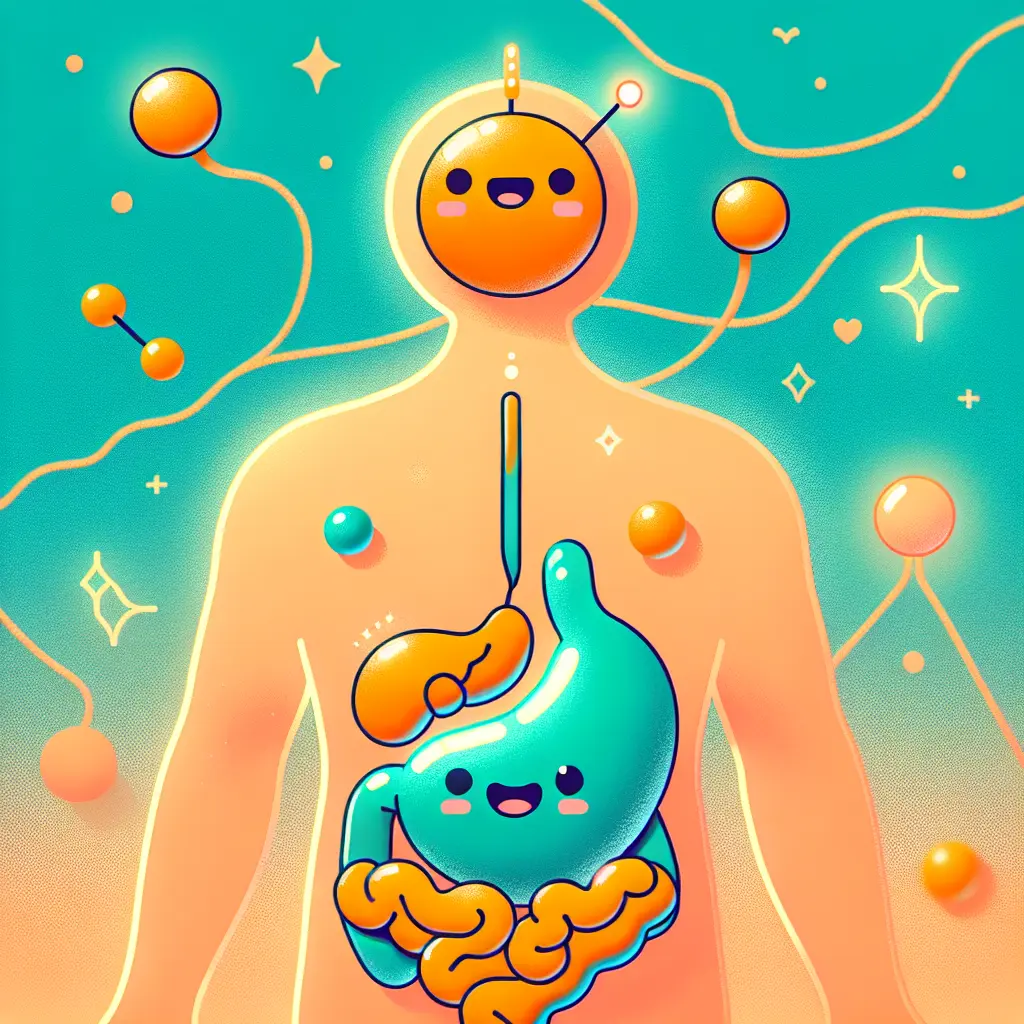
Ghrelin and leptin are key hormones involved in appetite regulation. Ghrelin, known as the "hunger hormone," is produced in the stomach and signals the brain to stimulate appetite when the stomach is empty. In contrast, leptin is secreted by fat cells and signals satiety to the brain, helping to suppress hunger. Together, these hormones maintain energy balance by influencing feelings of hunger and fullness.
Appetite Regulation Hormones: Ghrelin & Leptin
Ghrelin and leptin are key hormones involved in appetite regulation. Ghrelin, known as the "hunger hormone," is produced in the stomach and signals the brain to stimulate appetite when the stomach is empty. In contrast, leptin is secreted by fat cells and signals satiety to the brain, helping to suppress hunger. Together, these hormones maintain energy balance by influencing feelings of hunger and fullness.
💡 Key Takeaways
- Identify ghrelin and leptin as the main hormones controlling hunger and fullness, and where they come from.
- Describe ghrelin's meal-driven hunger signal: levels rise before meals and fall after eating.
- Describe leptin's satiety signal from fat tissue to the brain to curb intake.
- Discuss how factors like sleep, stress, dieting, and body fat influence these hormones and what that means for eating behavior.
❓ Frequently Asked Questions
What are ghrelin and leptin, and why are they called appetite hormones?
Ghrelin is the stomach's ‘hunger hormone’ that signals the brain to eat, while leptin is produced by fat cells and signals fullness. Together, they help regulate hunger and fullness.
Where are ghrelin and leptin produced, and how do their levels change?
Ghrelin is produced in the stomach and rises before meals, then falls after eating. Leptin is produced by adipose (fat) tissue and is higher with more fat mass; fasting can lower leptin.
How do ghrelin and leptin influence appetite and energy balance?
Ghrelin stimulates appetite and meal initiation; leptin reduces appetite and can increase energy expenditure. They act on the brain to help regulate how much we eat.
What factors can disrupt ghrelin and leptin signaling?
Sleep deprivation, stress, and dieting can alter their levels. Obesity can lead to leptin resistance, diminishing satiety signals, while caloric restriction can raise ghrelin, increasing hunger.