Architectural & Real Estate Photography involves capturing high-quality images of buildings, interiors, and properties to showcase their design, structure, and appeal. This photography style highlights unique architectural features, spatial layouts, and ambiance, often used by architects, real estate agents, and property developers for marketing, portfolios, and documentation. It requires technical expertise in lighting, composition, and perspective to present spaces attractively and accurately, helping to attract potential buyers or clients.
Architectural & Real Estate Photography
Architectural & Real Estate Photography involves capturing high-quality images of buildings, interiors, and properties to showcase their design, structure, and appeal. This photography style highlights unique architectural features, spatial layouts, and ambiance, often used by architects, real estate agents, and property developers for marketing, portfolios, and documentation. It requires technical expertise in lighting, composition, and perspective to present spaces attractively and accurately, helping to attract potential buyers or clients.
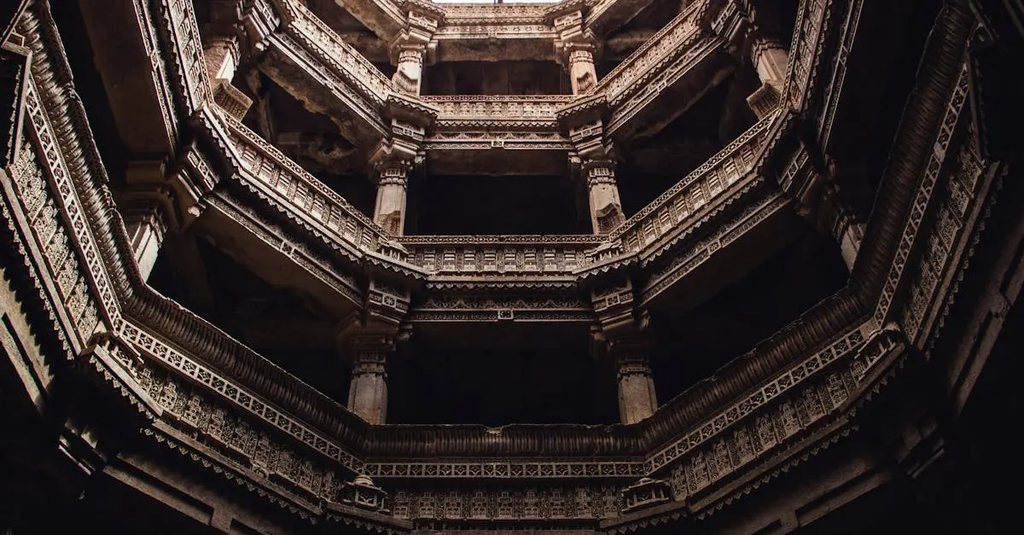
💡 Key Takeaways
- Learn composition techniques to highlight lines, symmetry, and space in architectural and interior shots.
- Choose the right gear and settings (wide-angle lenses, tilt-shift, tripod) to minimize distortion and ensure sharp images.
- Master lighting and exposure for exteriors and interiors, including HDR and balancing natural and artificial light.
- Apply post-processing to enhance architectural features, correct perspective, and deliver polished, market-ready photos.
❓ Frequently Asked Questions
What is architectural & real estate photography?
A photography style that captures buildings, interiors, and properties to showcase design, structure, and ambiance for architects, developers, and buyers.
What equipment is essential for this photography?
A camera (DSLR/mirrorless) with a wide-angle lens, a sturdy tripod, and often a tilt-shift lens or off-camera lighting; plus a remote shutter and a level to keep lines straight.
How do you manage perspective and distortion in architectural photos?
Use perspective-control tools (tilt-shift lens) or correct distortion in post; keep verticals aligned with the frame and shoot from suitable heights to minimize warping.
How does architectural photography differ from real estate photography?
Architectural photography emphasizes design details and construction features, while real estate photography aims to present bright, inviting spaces that appeal to buyers, often with staging and quick turnaround.
What are some basic lighting tips for this genre?
Prefer natural light when possible, shoot at times with soft lighting, balance interior and exterior exposures, and use reflectors or flash to fill shadows for a balanced look.