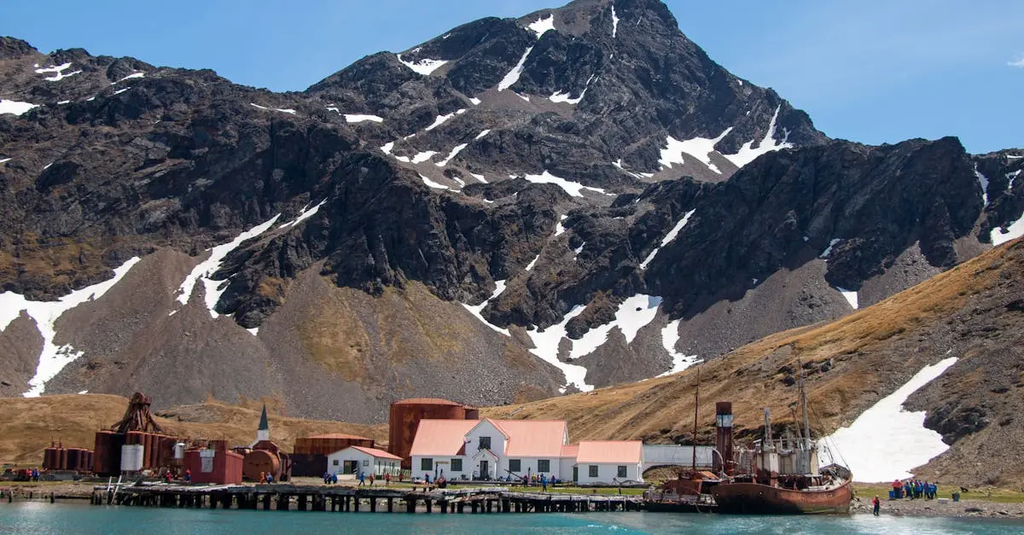
Arctic and polar expeditions refer to journeys undertaken to explore the Earth's northernmost and southernmost regions, including the Arctic and Antarctic. These expeditions often aim to conduct scientific research, discover new territories, or achieve geographic milestones. Facing extreme cold, harsh weather, and challenging landscapes, explorers and scientists gather valuable data on climate, wildlife, and geography, contributing to our understanding of these remote and fragile environments.
Arctic and Polar Expeditions
Arctic and polar expeditions refer to journeys undertaken to explore the Earth's northernmost and southernmost regions, including the Arctic and Antarctic. These expeditions often aim to conduct scientific research, discover new territories, or achieve geographic milestones. Facing extreme cold, harsh weather, and challenging landscapes, explorers and scientists gather valuable data on climate, wildlife, and geography, contributing to our understanding of these remote and fragile environments.
💡 Key Takeaways
- Understand the main goals of Arctic and polar expeditions (science, exploration, and geographic milestones).
- Identify the key environmental and logistical challenges (extreme cold, wind, ice conditions) and how crews mitigate them.
- Know the essential preparation and gear for polar travel (appropriate clothing, shelter, navigation, and safety protocols).
- Appreciate the ethical and environmental considerations of polar exploration (minimizing impact, responsible data collection, and ecosystem awareness).
❓ Frequently Asked Questions
What is the focus of Arctic and polar expeditions?
They are journeys to Earth's polar regions (the Arctic in the north and the Antarctic in the south) aimed at exploration, scientific research, or achieving geographic milestones, often in extreme cold.
What are common goals of these expeditions?
Studying climate and ice, surveying wildlife, mapping unknown areas, and testing equipment or human endurance in harsh conditions.
How do expeditions stay safe in extreme cold?
With proper cold-weather gear, careful route and supply planning, weather monitoring, experienced guides, reliable communication, and clear emergency plans.
What are the differences between the Arctic and Antarctic?
The Arctic is a frozen ocean surrounded by continents, while the Antarctic is a continental landmass surrounded by sea; they differ in wildlife, ice types, and seasonal conditions.