"Art Deco Skyscrapers of the Heartland" refers to the striking, geometric high-rise buildings constructed in the central United States during the 1920s and 1930s. These skyscrapers showcase the bold lines, decorative motifs, and modern materials characteristic of the Art Deco movement. Found in cities like Tulsa, Kansas City, and Indianapolis, they symbolize economic optimism and urban growth, blending artistic flair with the region’s emerging architectural identity during the early twentieth century.
Art Deco Skyscrapers of the Heartland
"Art Deco Skyscrapers of the Heartland" refers to the striking, geometric high-rise buildings constructed in the central United States during the 1920s and 1930s. These skyscrapers showcase the bold lines, decorative motifs, and modern materials characteristic of the Art Deco movement. Found in cities like Tulsa, Kansas City, and Indianapolis, they symbolize economic optimism and urban growth, blending artistic flair with the region’s emerging architectural identity during the early twentieth century.
💡 Key Takeaways
- Explore how Art Deco design defines Heartland skyscrapers with bold geometric forms, setbacks, and ornamental motifs.
- Learn about the role of new materials and technologies (steel, concrete, cladding) that made taller buildings possible in the 1920s–1930s Midwest.
- Identify key Heartland examples of Art Deco skyscrapers and how they reflect regional architecture and city skylines.
- Discover lesser-known or hidden gems among Midwestern Deco towers and what makes them historically significant.
❓ Frequently Asked Questions
What is Art Deco architecture?
Art Deco is a 1920s–1930s design movement known for geometric shapes, bold vertical lines, decorative motifs, and modern materials like steel, glass, terrazzo, and chrome.
What features help identify Art Deco skyscrapers in the Heartland?
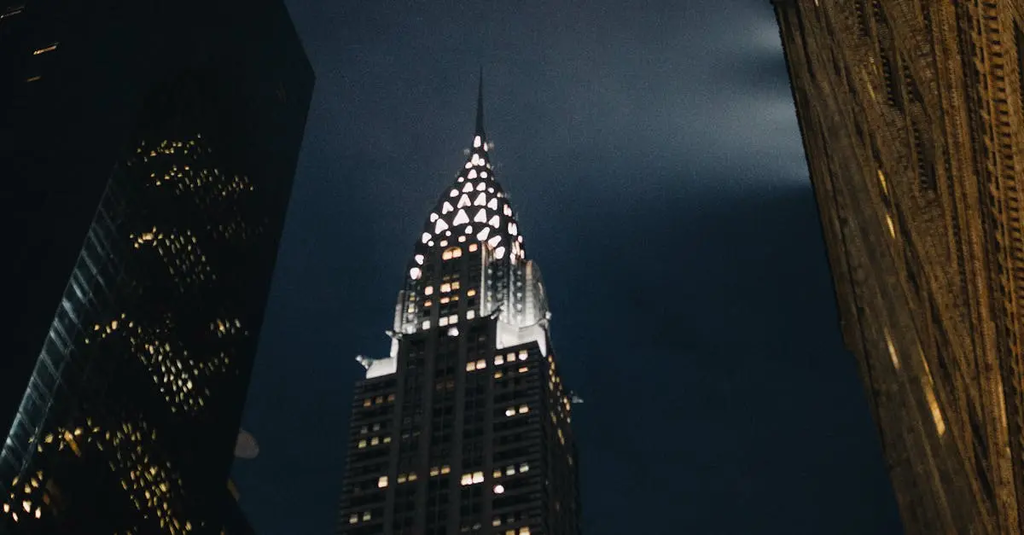
Look for stepped or setback silhouettes, geometric ornament (chevrons, zigzags), terra-cotta or terrazzo detailing, and strong vertical emphasis.
Which Heartland cities are known for Art Deco skyscrapers?
Major centers include Chicago, Detroit, Cleveland, Kansas City, Minneapolis, St. Louis, Tulsa, and Omaha, each with notable Art Deco towers from the 1920s–30s.
When were most of these Heartland Art Deco skyscrapers built?
Most were constructed in the 1920s and 1930s, reflecting the era's optimism and modernization.
Why were Art Deco skyscrapers popular in the Heartland?
They expressed progress, civic pride, and modernity during a boom period, blending luxurious detailing with machine-age practicality.