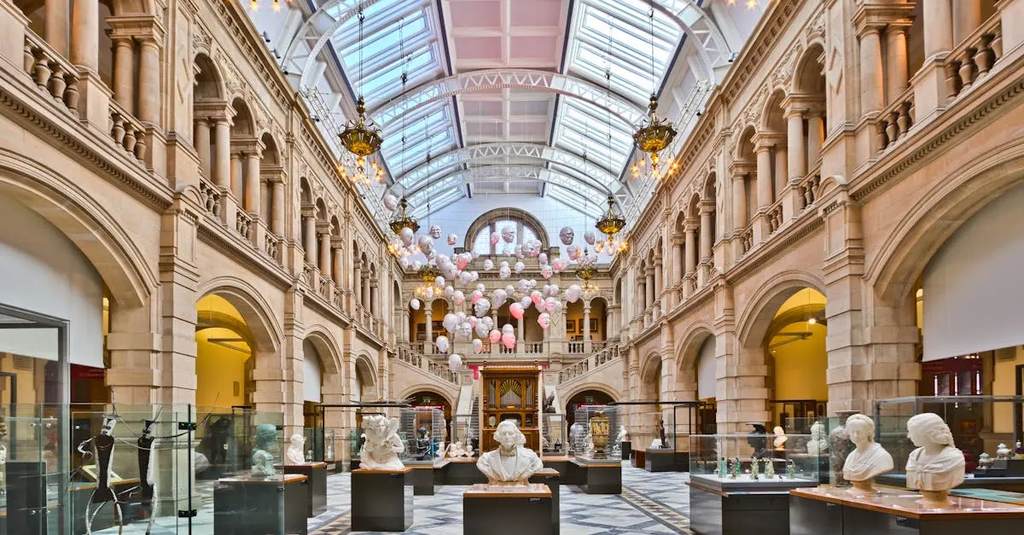
Art galleries and museums within the creative careers and media sector are institutions dedicated to preserving, exhibiting, and interpreting works of art and cultural artifacts. They provide platforms for artists to showcase their creations, engage audiences, and foster cultural appreciation. Careers in this field include curators, educators, exhibition designers, marketing professionals, and art handlers, all collaborating to enhance public understanding of art, history, and creativity through thoughtfully curated displays and educational programs.
Art Galleries & Museums+50
Art galleries and museums within the creative careers and media sector are institutions dedicated to preserving, exhibiting, and interpreting works of art and cultural artifacts. They provide platforms for artists to showcase their creations, engage audiences, and foster cultural appreciation. Careers in this field include curators, educators, exhibition designers, marketing professionals, and art handlers, all collaborating to enhance public understanding of art, history, and creativity through thoughtfully curated displays and educational programs.
💡 Key Takeaways
- Distinguish between art galleries and museums and their typical roles in displaying art.
- Understand how exhibitions are curated, including permanent collections vs. temporary shows.
- Learn key museum/gallery terminology (curator, conservator, provenance, accession numbers) and what it tells you.
- Develop strategies for engaging with artworks by using wall texts, labels, and context such as the artist, period, and medium.
❓ Frequently Asked Questions
What is the difference between a gallery and a museum?
Museums usually preserve a permanent collection and offer educational programs; galleries commonly present rotating exhibitions and may focus on selling or promoting artists, often without long-term loans.
Who is a curator and what do they do?
A curator selects and organizes works for exhibitions, provides context through labels and programs, and oversees the installation and interpretation of the collection.
What is a permanent collection vs. a temporary exhibition?
A permanent collection is works kept long-term by a museum for ongoing display and study; temporary exhibitions are short-term displays often drawn from the collection or loans.
What is provenance and why is it important?
Provenance is the history of a work’s ownership and origin; it helps establish authenticity, trace the work’s history, and informs scholarship and valuation.