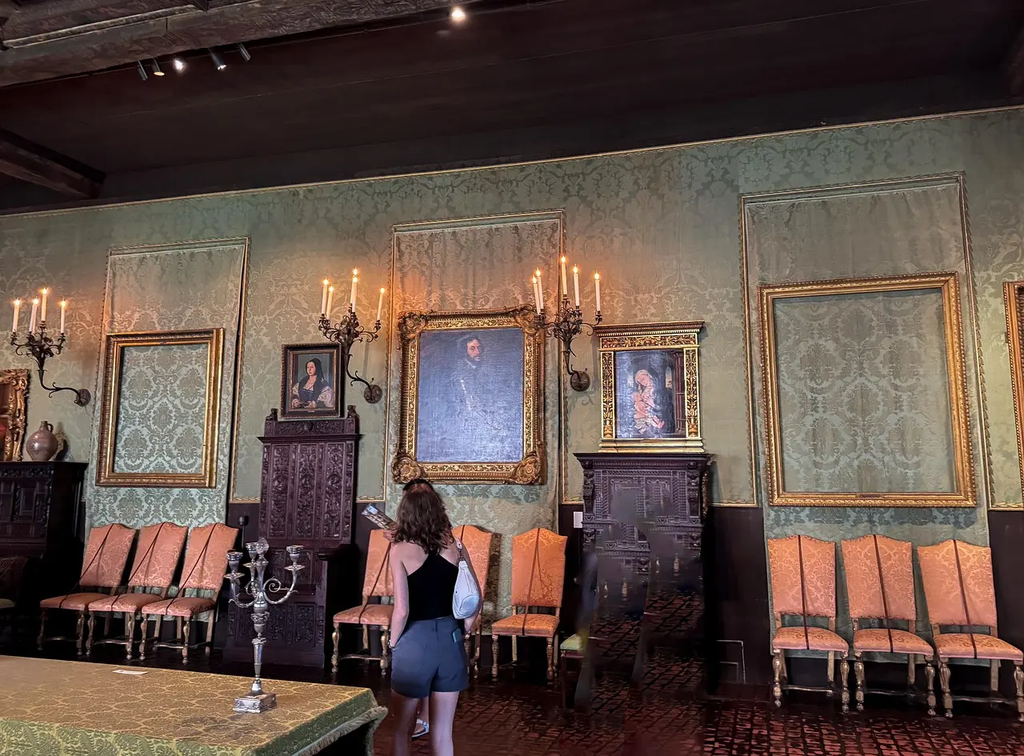
"Art Heists and Provenance Mysteries" refers to the thrilling world of stolen artworks and the intricate puzzles surrounding their origins and ownership history. This phrase evokes tales of daring thefts from museums or private collections, followed by investigations to trace the artwork’s journey through time. These stories blend suspense, detective work, and the complexities of authenticating and recovering valuable pieces, highlighting the intrigue and secrecy that often shroud the art world.
Art Heists and Provenance Mysteries
"Art Heists and Provenance Mysteries" refers to the thrilling world of stolen artworks and the intricate puzzles surrounding their origins and ownership history. This phrase evokes tales of daring thefts from museums or private collections, followed by investigations to trace the artwork’s journey through time. These stories blend suspense, detective work, and the complexities of authenticating and recovering valuable pieces, highlighting the intrigue and secrecy that often shroud the art world.
💡 Key Takeaways
- Understand provenance and why an artwork’s ownership history matters for authentication and value.
- Learn how art heists typically unfold and what makes solving them challenging.
- Explore techniques used to trace a stolen artwork’s journey—from records and registries to forensics and auction histories.
- Discover how recovery and restitution work, including legal and ethical considerations.
❓ Frequently Asked Questions
What does provenance mean in art?
Provenance is the documented history of an artwork's ownership, transfers, and exhibition records, used to establish authenticity and legal title.
Why is provenance important for authenticating artworks?
Provenance helps confirm an artwork's origin, track prior owners, and detect forgeries or stolen pieces, supporting legitimate ownership.
What is an art heist and how are stolen works recovered?
An art heist is the theft of artwork from a museum or private collection. Investigations use records, provenance gaps, expert analysis, and networks to locate and recover pieces.
How do institutions address gaps in provenance?
They research sources, compare archival records, consult registries, and may pause sales or displays while authentication and title verification continue.