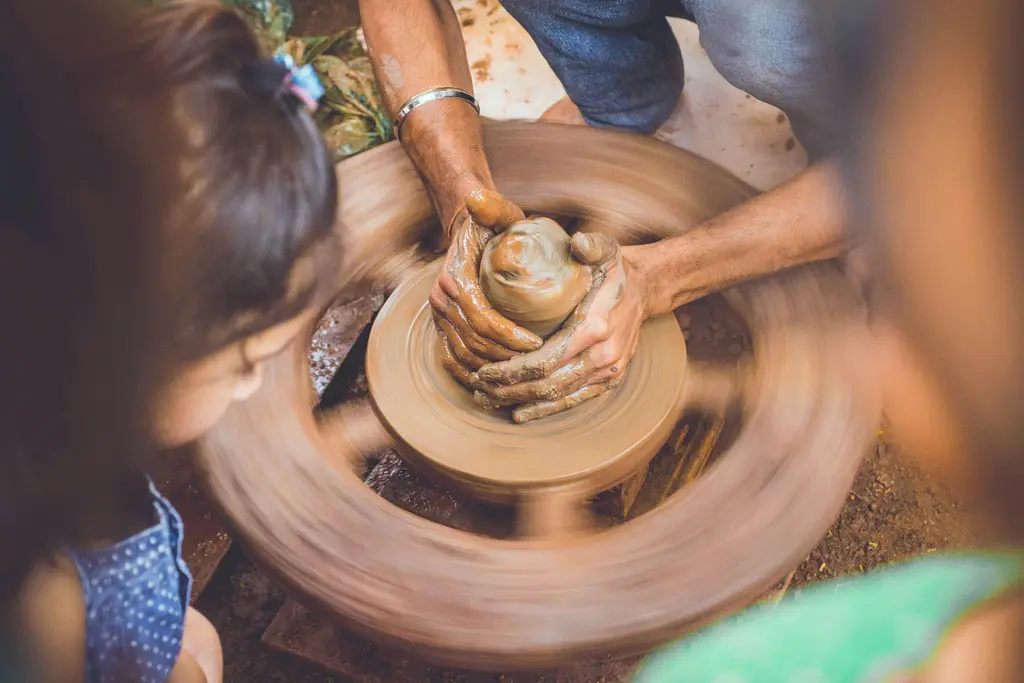
"Art History Across Continents" refers to the study and appreciation of artistic traditions, movements, and masterpieces from diverse cultures around the world. It explores how art has evolved in different regions, highlighting unique styles, techniques, and influences shaped by local histories, beliefs, and interactions. This approach emphasizes global connections, cross-cultural exchanges, and the shared human impulse to create, offering a broader and more inclusive understanding of art’s development through time.
Art History Across Continents
"Art History Across Continents" refers to the study and appreciation of artistic traditions, movements, and masterpieces from diverse cultures around the world. It explores how art has evolved in different regions, highlighting unique styles, techniques, and influences shaped by local histories, beliefs, and interactions. This approach emphasizes global connections, cross-cultural exchanges, and the shared human impulse to create, offering a broader and more inclusive understanding of art’s development through time.

💡 Key Takeaways
- Identify major art movements and landmark works from different continents and describe their defining features.
- Explain how local histories, beliefs, and environments shaped regional artistic styles and techniques.
- Name influential artists and key works across cultures and understand their cultural contexts.
- Compare cross-cultural exchanges and how global interactions influenced art across continents.
❓ Frequently Asked Questions
What is the focus of Art History Across Continents?
It studies artistic traditions, movements, and masterpieces from diverse cultures around the world, highlighting how local histories, beliefs, and environments shaped art.
How do cross-cultural influences appear in art history?
Through contact, trade, migration, colonization, and exchanges that lead artists to adopt or reinterpret techniques, subjects, and styles from other regions.
What regional focuses are common in this field?
Common focuses include Europe, Asia, Africa, the Americas, and Oceania, with attention to how their arts interact within global networks.
What study approaches help when learning about art across continents?
Compare artworks across regions, learn terms like iconography and patronage, and consider historical context, materials, and the belief systems that shape art.