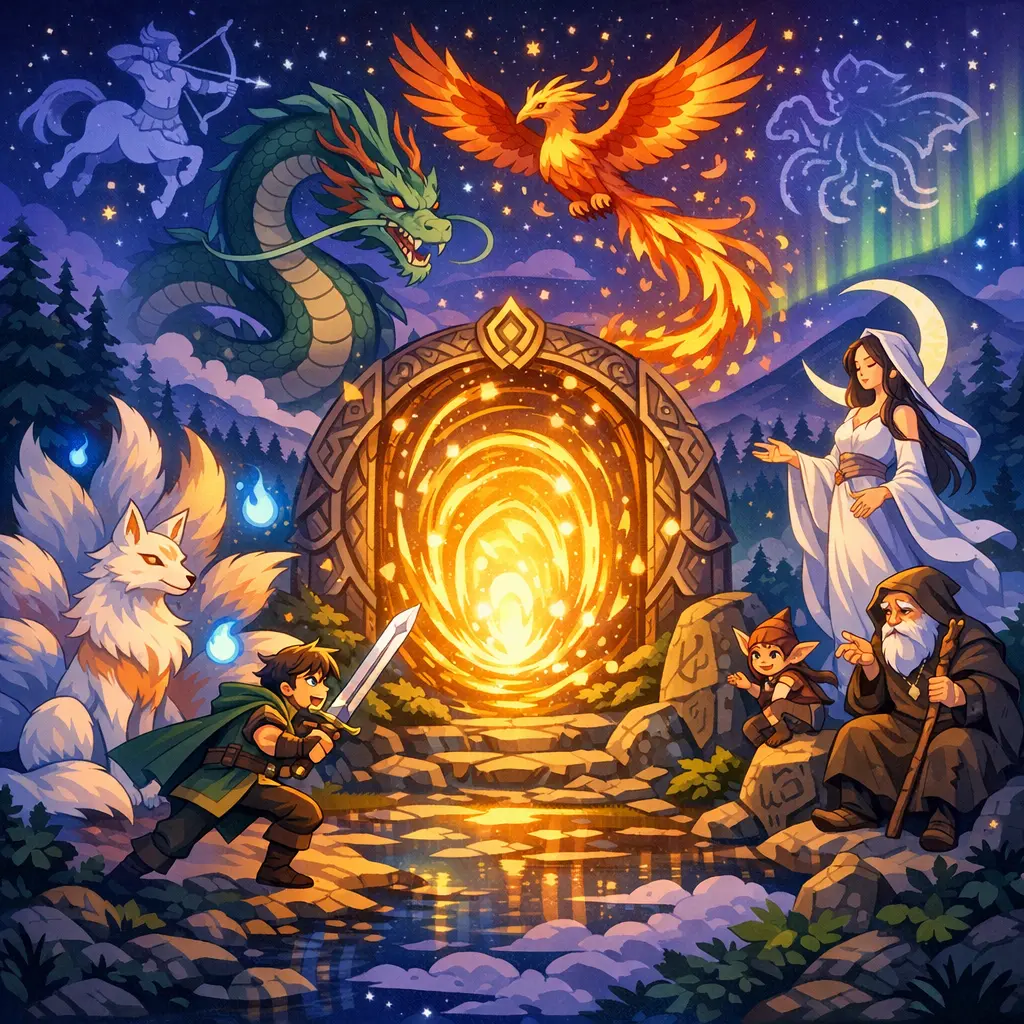
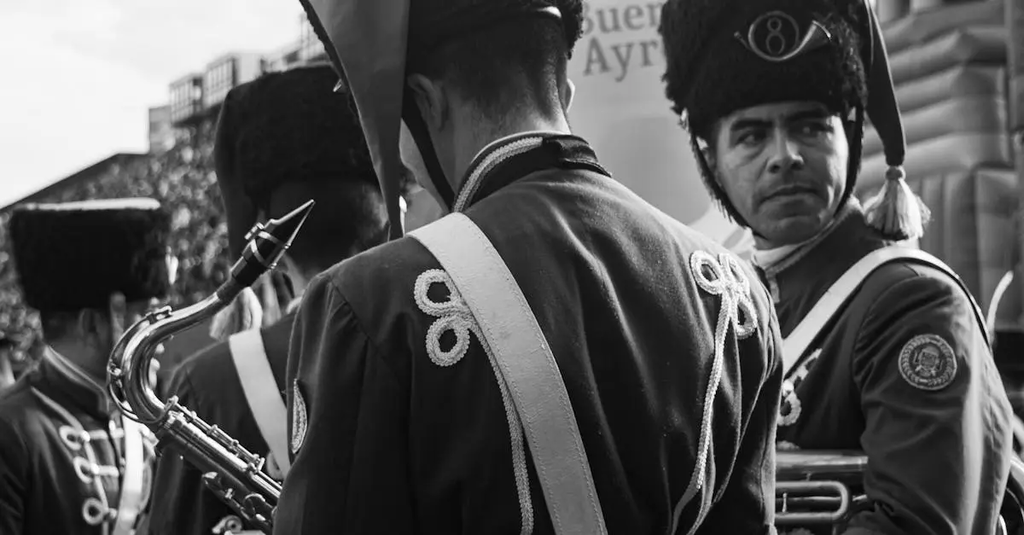
Art, music, and performance play vital roles in shaping and reflecting society, serving as means of expression, communication, and identity. They are deeply intertwined with culture and religion, often conveying shared beliefs, values, and traditions. Through rituals, ceremonies, and public events, these creative forms foster community cohesion, challenge social norms, and inspire change, illustrating the dynamic relationship between artistic expression and the broader social and cultural context.
Art, Music & Performance in Society
Art, music, and performance play vital roles in shaping and reflecting society, serving as means of expression, communication, and identity. They are deeply intertwined with culture and religion, often conveying shared beliefs, values, and traditions. Through rituals, ceremonies, and public events, these creative forms foster community cohesion, challenge social norms, and inspire change, illustrating the dynamic relationship between artistic expression and the broader social and cultural context.
💡 Key Takeaways
- Understand how art, music, and performance reflect and shape societal values, identities, and conversations.
- Identify the role of artists and performances in communities, public life, and social movements.
- Explain how cultural institutions, funding, and policy influence which art is shown, supported, and accessible.
- Recognize how technology, media, and globalization affect the creation, distribution, and reception of art and performance.
❓ Frequently Asked Questions
What does 'art, music & performance in society' mean?
It refers to visual art, music, dance, theater and other performances and how they reflect, critique and shape the values, norms, and conversations of a community.
How can art and music influence culture and identity?
They express shared experiences, challenge stereotypes, preserve traditions, and help people feel connected to their community.
What is the role of live performance in social change?
Live performances raise awareness, provoke discussion, and can inspire audiences to rethink ideas or take action on social issues.
Why do access and inclusion matter for art and music in society?
Broad access ensures diverse voices are heard, strengthens communities, and supports education and well-being by exposing people to different perspectives.