Artifact Hunts & Relics refers to the exploration and search for historical objects, ancient tools, or treasures from past civilizations. Participants often use maps, metal detectors, or clues to locate these artifacts, which can range from coins and pottery to weapons and jewelry. Such hunts can be recreational or scholarly, offering insights into history, culture, and archaeology, while the discovered relics help piece together stories of human civilization and heritage.
Artifact Hunts & Relics
Artifact Hunts & Relics refers to the exploration and search for historical objects, ancient tools, or treasures from past civilizations. Participants often use maps, metal detectors, or clues to locate these artifacts, which can range from coins and pottery to weapons and jewelry. Such hunts can be recreational or scholarly, offering insights into history, culture, and archaeology, while the discovered relics help piece together stories of human civilization and heritage.
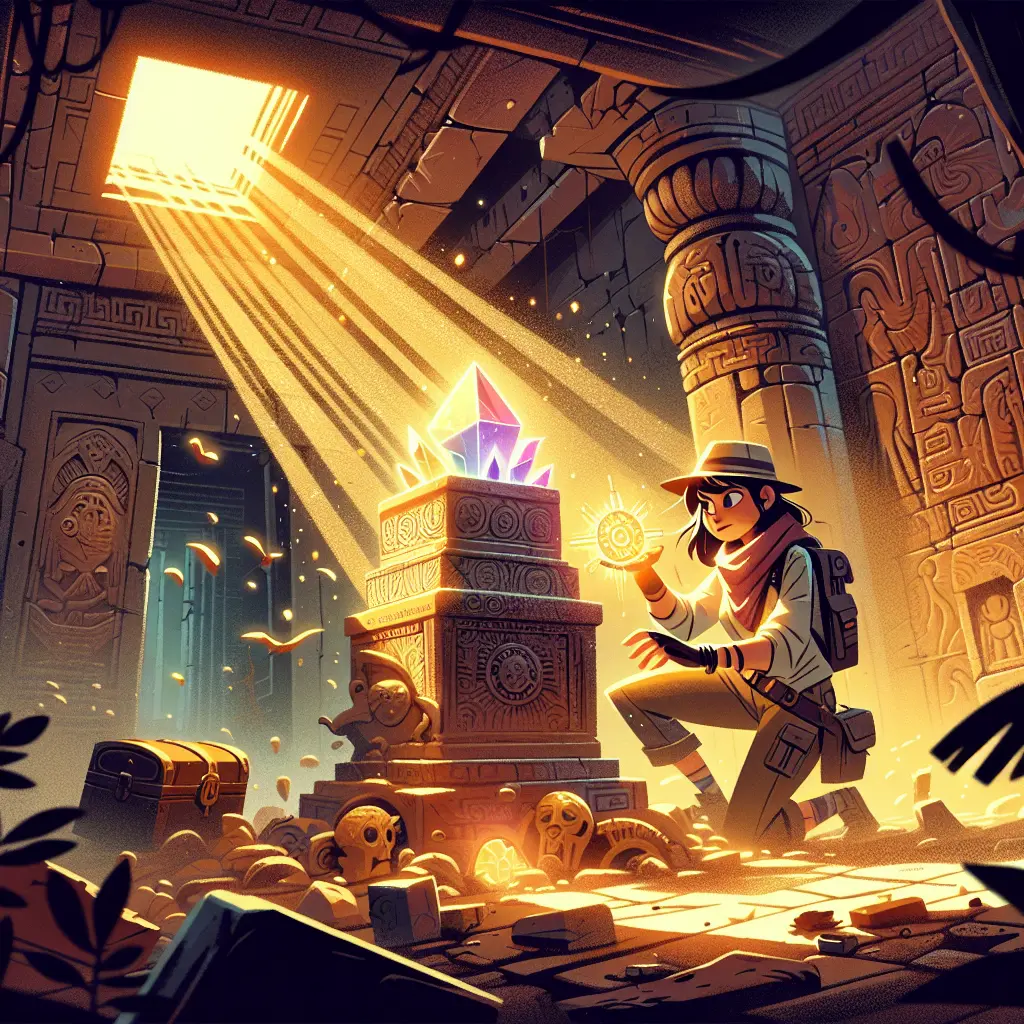
💡 Key Takeaways
- Understand the purpose of artifact hunts and the types of relics sought (coins, pottery, weapons, jewelry).
- Learn common tools and search methods (maps, metal detectors, clues) used in locating artifacts.
- Recognize ethical and legal considerations, including permits, ownership, and responsible preservation.
- Develop skills in documenting, authenticating, and preserving finds for study and display.
❓ Frequently Asked Questions
What is Artifact Hunts & Relics about?
It refers to exploring and searching for historical objects from past civilizations using clues, maps, or detectors; artifacts can include coins, pottery, tools, weapons, or jewelry, and may be presented as real-life archaeology or fictional treasure hunts in franchises.
What tools or methods are commonly used?
Maps, clues, and metal detectors are typical; other methods can include GPS and field notes. In real life, always obtain permits and respect laws and sites; in fiction, tools serve the adventure.
What kinds of artifacts are typically sought?
Coins, pottery, tools, weapons, jewelry, inscriptions, and other relics; in stories, relics often tie to lore or powers.
How do real-world artifact hunts differ from those in franchises?
Real-world hunts follow ethical guidelines, conservation, and legal permissions; franchise hunts focus on puzzles, lore, and fictional treasure quests.
Why are relics important?
They reveal how people lived, traded, and thought, preserving culture and informing historians and the public about the past.