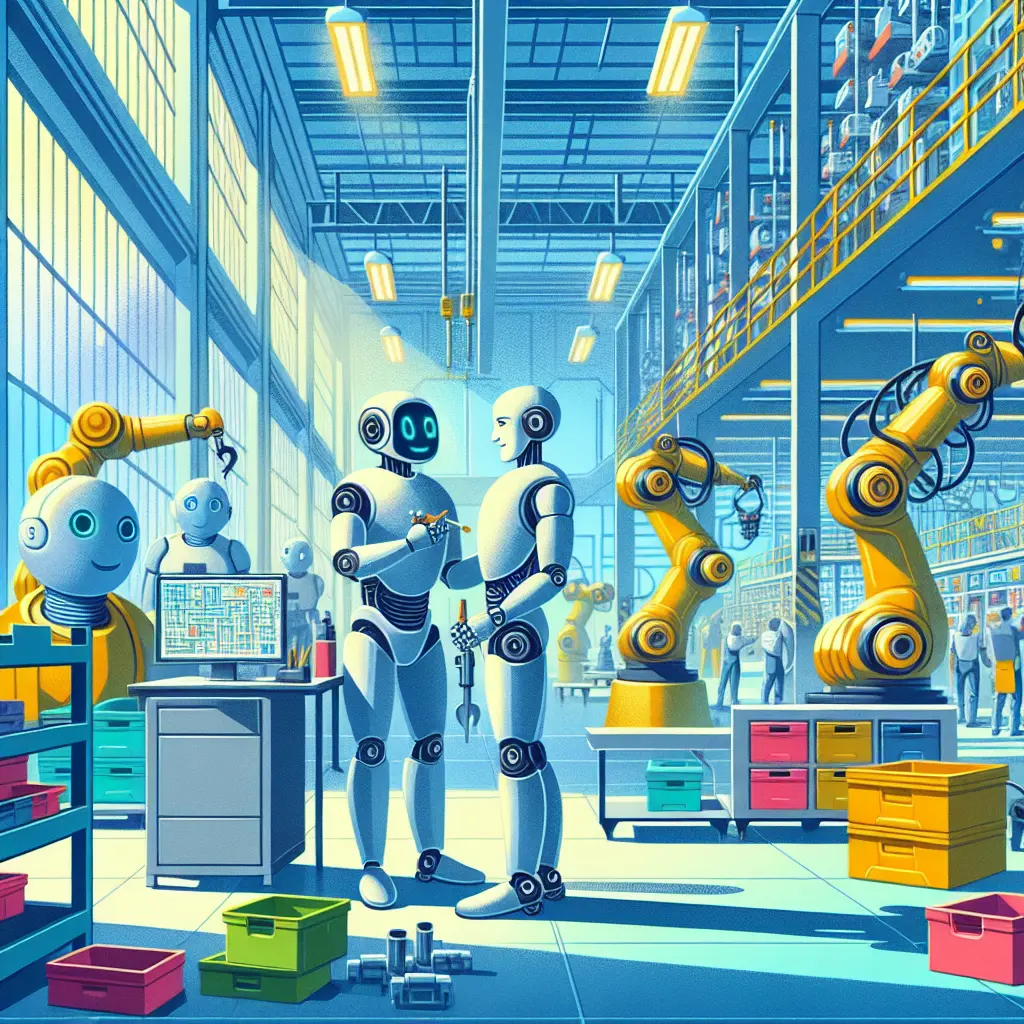
Artificial Intelligence (AI) refers to the simulation of human-like intelligence by computer systems. It involves the development of algorithms and software that enable machines to perform tasks such as learning, reasoning, problem-solving, perception, and language understanding. AI powers technologies like virtual assistants, image recognition, and autonomous vehicles, continuously improving through data analysis and experience. Its applications span diverse fields, revolutionizing industries and enhancing everyday life with smarter, more efficient solutions.
Artificial Intelligence+50
Artificial Intelligence (AI) refers to the simulation of human-like intelligence by computer systems. It involves the development of algorithms and software that enable machines to perform tasks such as learning, reasoning, problem-solving, perception, and language understanding. AI powers technologies like virtual assistants, image recognition, and autonomous vehicles, continuously improving through data analysis and experience. Its applications span diverse fields, revolutionizing industries and enhancing everyday life with smarter, more efficient solutions.

💡 Key Takeaways
- Define AI as computer systems that simulate human-like learning, reasoning, and language understanding.
- Differentiate between narrow AI (task-specific) and general AI (human-level intelligence) with examples.
- Identify core AI techniques: machine learning, neural networks, natural language processing, and computer vision.
- Explore AI applications and consider basic ethical and societal implications of AI use.
❓ Frequently Asked Questions
What is Artificial Intelligence (AI)?
AI refers to computer systems that simulate human-like intelligence to perform tasks such as learning, reasoning, problem-solving, perception, and language understanding.
What are the main capabilities of AI?
AI enables machines to learn from data, reason to draw conclusions, solve problems, perceive through sensors, and understand or generate language.
How are AI, machine learning, and deep learning related?
AI is the broad field. Machine learning is a subset where systems improve from data, and deep learning is a further subset using multi-layer neural networks.
Where is AI used in everyday life?
Examples include voice assistants, recommendations, image/video recognition, spam filtering, autonomous driving, and fraud detection.
What are common limitations of AI?
AI often requires large data and computation, can reflect biases in data, may fail outside its training, and lacks true general understanding.