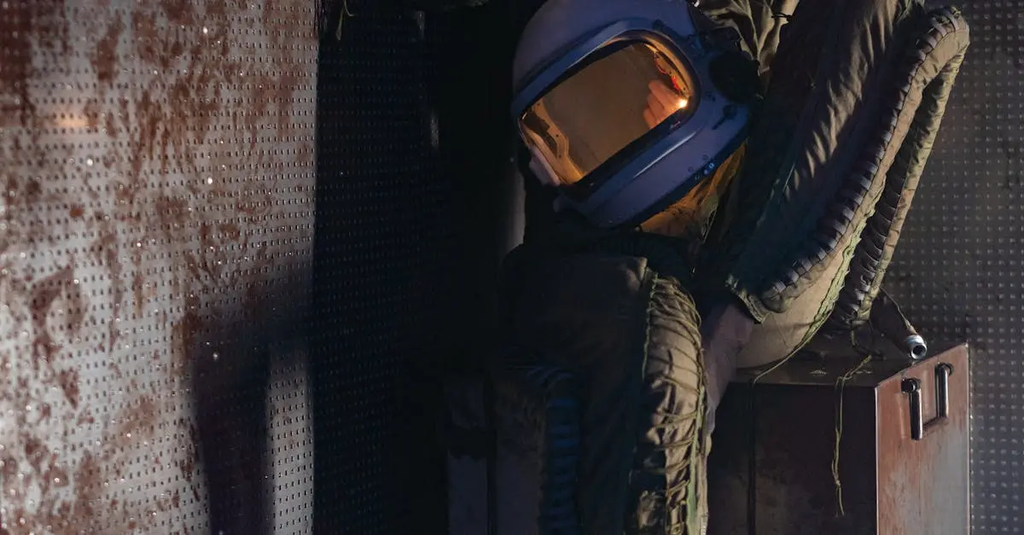
Astronaut training involves rigorous preparation to ensure readiness for space missions. Simulators replicate spacecraft systems and mission scenarios, allowing astronauts to practice procedures and handle emergencies. The Neutral Buoyancy Laboratory (NBL) uses a large pool to mimic the weightlessness of space, enabling astronauts to rehearse spacewalks. Survival training prepares astronauts for unexpected landings in remote environments, teaching essential skills like navigation, first aid, and resource management to ensure safety until rescue arrives.
Astronaut Training: Simulators, NBL, and Survival
Astronaut training involves rigorous preparation to ensure readiness for space missions. Simulators replicate spacecraft systems and mission scenarios, allowing astronauts to practice procedures and handle emergencies. The Neutral Buoyancy Laboratory (NBL) uses a large pool to mimic the weightlessness of space, enabling astronauts to rehearse spacewalks. Survival training prepares astronauts for unexpected landings in remote environments, teaching essential skills like navigation, first aid, and resource management to ensure safety until rescue arrives.
💡 Key Takeaways
- How simulators recreate spacecraft systems and mission scenarios for rehearsal.
- How astronauts practice procedures and respond to emergencies in a controlled setting.
- How the Neutral Buoyancy Laboratory uses a large pool to mimic weightlessness.
- Why comprehensive training combines simulators, NBL sessions, and survival skills for mission readiness.
❓ Frequently Asked Questions
What is the main purpose of astronaut training?
To prepare astronauts for space missions by practicing procedures, rehearsing systems, and learning to handle emergencies in a controlled environment.
What role do simulators play in training?
Simulators replicate spacecraft systems and mission scenarios, allowing crew members to rehearse steps and decision-making without real risks.
What is the Neutral Buoyancy Laboratory (NBL) and why is it important?
The NBL is a large pool used to simulate weightlessness, enabling underwater spacewalk practice and safe handling of tools and equipment in microgravity-like conditions.
How does astronaut training prepare for survival and emergencies?
Training includes emergency procedures, physical conditioning, and mission-specific drills to build quick, reliable responses to failures or dangerous situations.