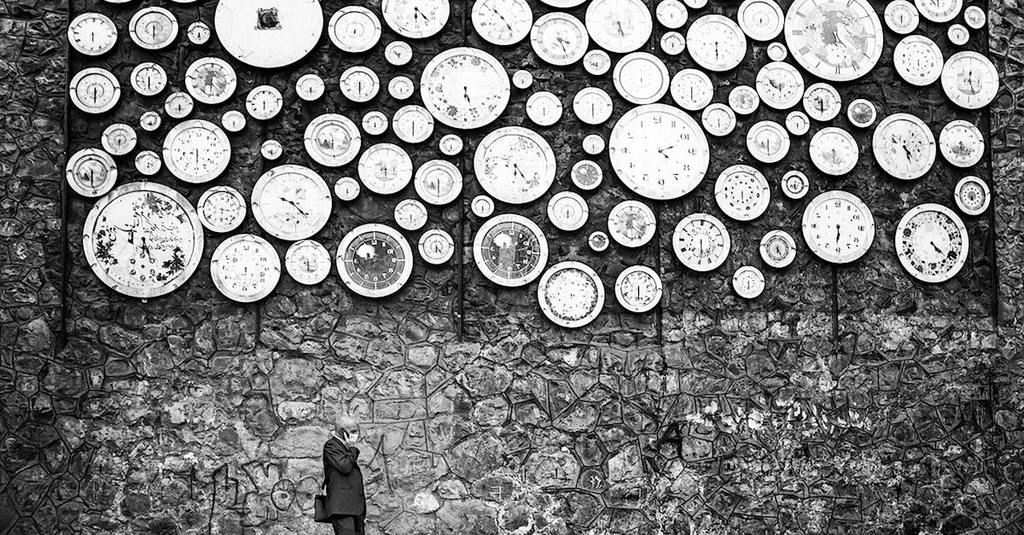
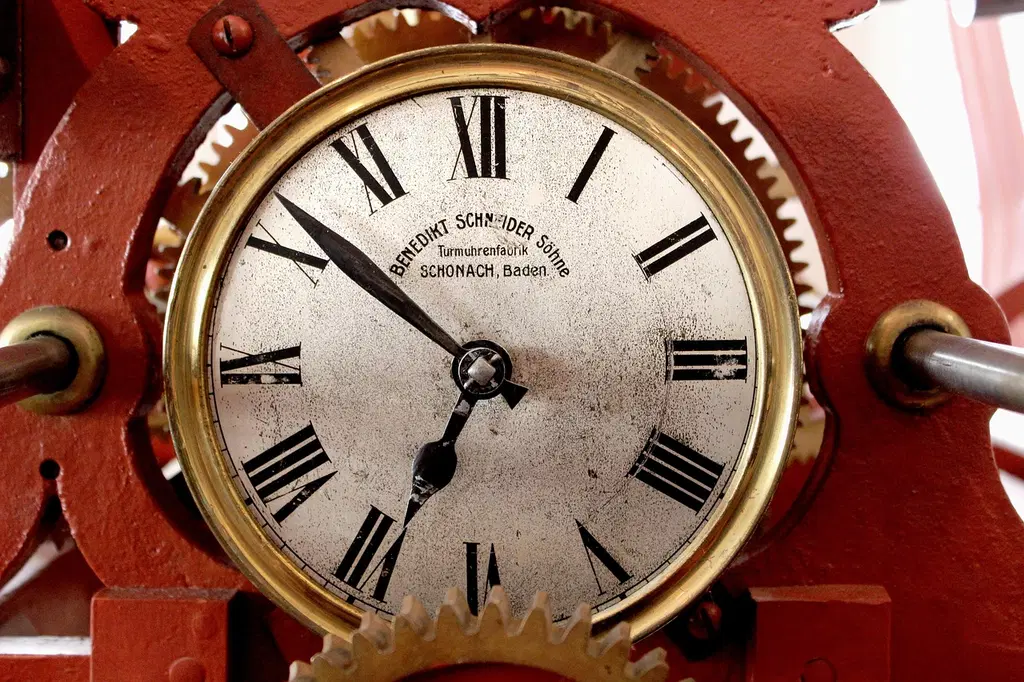
Astronomical clocks are intricate timepieces that not only display the time but also track celestial events such as the positions of the sun, moon, and sometimes planets. Historically found in public squares or cathedrals, these clocks served as both daily essentials and marvels of engineering, helping communities organize their days and observe astronomical phenomena. Their detailed mechanisms and artistic designs reflect humanity’s fascination with the cosmos and the passage of time.
Astronomical Clocks
Astronomical clocks are intricate timepieces that not only display the time but also track celestial events such as the positions of the sun, moon, and sometimes planets. Historically found in public squares or cathedrals, these clocks served as both daily essentials and marvels of engineering, helping communities organize their days and observe astronomical phenomena. Their detailed mechanisms and artistic designs reflect humanity’s fascination with the cosmos and the passage of time.
💡 Key Takeaways
- Understand what an astronomical clock is and the celestial data it displays (sun, moon, zodiac, and sometimes planets).
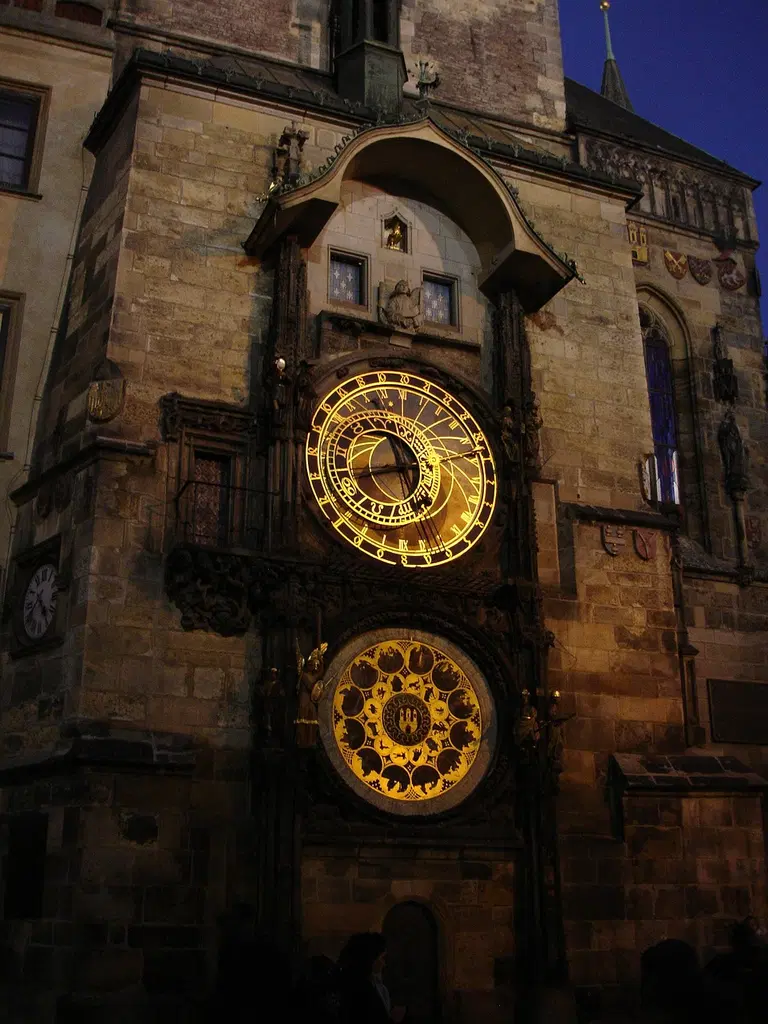
- Identify the common components (gears, dials, and a celestial sphere) and how they work together to show time and astronomical cycles.
- Learn how to read an astronomical clock to infer time, moon phase, and solar positions from the display.
- Explore the historical significance and cultural impact of astronomical clocks in science, art, and architecture.
❓ Frequently Asked Questions
What is an astronomical clock?
A clock that shows time plus celestial information such as the Sun’s position, Moon phase, and the zodiac or planetary positions.
What information do astronomical clocks typically display?
They display the Sun’s position in the zodiac, Moon phase and age, and sometimes the positions of major planets, in addition to the hours.
How does the time shown on an astronomical clock differ from a regular clock?
It uses multiple dials and rotating rings to reflect celestial cycles, so time is read together with astronomical readings.
Why were astronomical clocks built historically?
To illustrate the cosmos, regulate calendars and religious rituals, and demonstrate civic or royal power by encoding celestial order into public timekeeping.