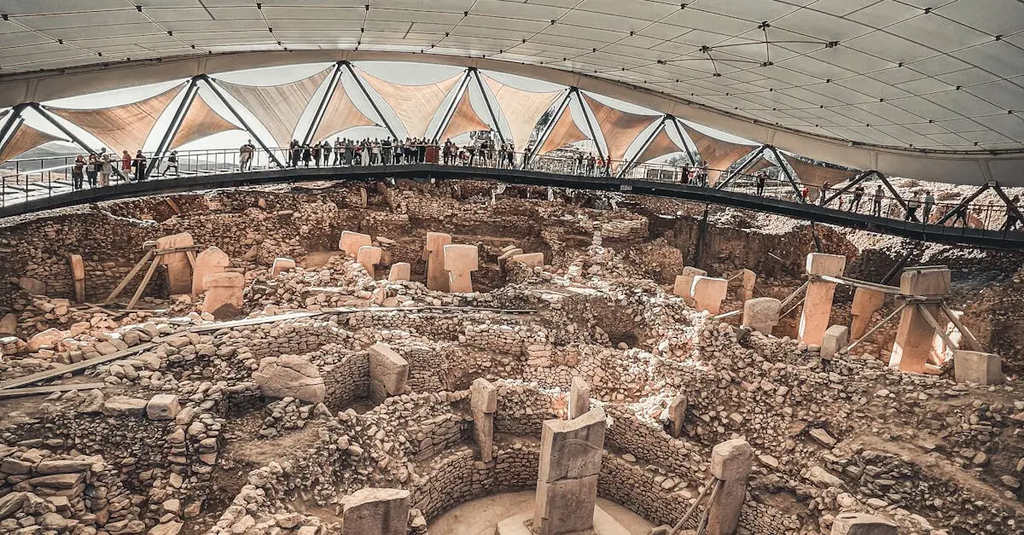
Atlantis Location Theories refer to the numerous hypotheses about the possible real-world site of the legendary lost city of Atlantis, first described by Plato. Scholars and enthusiasts have proposed locations including the Mediterranean, Santorini, Crete, the Azores, Spain, and even Antarctica. These theories draw on geological, archaeological, and historical evidence, but no consensus exists. The enduring mystery fuels debate, with some viewing Atlantis as pure myth, while others seek tangible proof of its existence.
Atlantis Location Theories
Atlantis Location Theories refer to the numerous hypotheses about the possible real-world site of the legendary lost city of Atlantis, first described by Plato. Scholars and enthusiasts have proposed locations including the Mediterranean, Santorini, Crete, the Azores, Spain, and even Antarctica. These theories draw on geological, archaeological, and historical evidence, but no consensus exists. The enduring mystery fuels debate, with some viewing Atlantis as pure myth, while others seek tangible proof of its existence.
💡 Key Takeaways
- Identify the main Atlantis location candidates and why they're proposed.
- Describe the geological and archaeological evidence used to test these theories.
- Explain how Plato's account shapes modern hypotheses.
- Compare the strengths and criticisms of each site to separate plausible ideas from speculation.
❓ Frequently Asked Questions
What is Atlantis according to the myths?
Atlantis is a legendary island nation described by Plato as a powerful civilization that vanished after a failed invasion; its real location remains unproven and is widely debated.
Which locations have been proposed as the site of Atlantis?
Popular theories point to the Mediterranean (near Greece or Crete), Santorini, the Azores, Spain, and even Antarctica; none have been confirmed.
What is the Santorini theory and what supports it?
The Santorini (Thera) eruption (~1600 BCE) created dramatic geological changes and a culture reminiscent of a sophisticated island city; some link this to Plato's description, but it is not conclusive.
How are Atlantis theories evaluated by scholars?
Researchers compare Plato’s account with archaeological dating, geological evidence, and geography; lack of direct remains and timing uncertainties keep Atlantis as a myth with speculative theories.