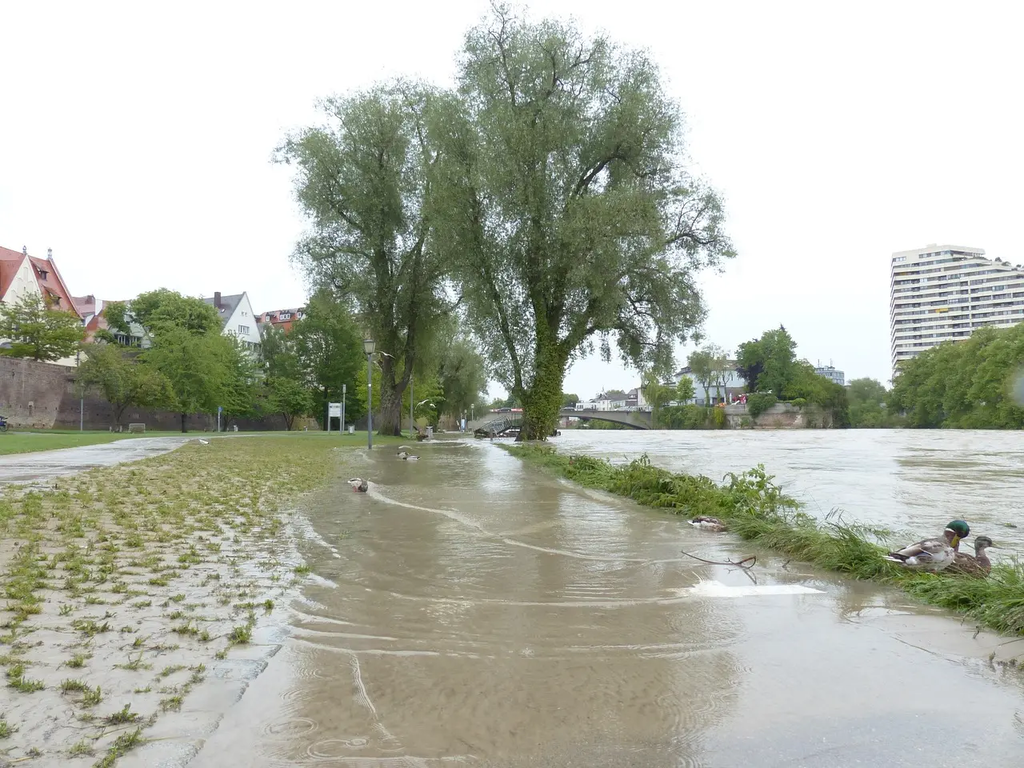
Atmospheric rivers are long, narrow bands of moisture in the atmosphere that transport large amounts of water vapor from tropical regions to other parts of the world. When these moisture-laden air currents make landfall, they can release intense rainfall over a short period, leading to extreme precipitation events. Such events often cause flooding, landslides, and significant impacts on water resources, infrastructure, and communities, especially in vulnerable regions.
Atmospheric Rivers and Extreme Precipitation
Atmospheric rivers are long, narrow bands of moisture in the atmosphere that transport large amounts of water vapor from tropical regions to other parts of the world. When these moisture-laden air currents make landfall, they can release intense rainfall over a short period, leading to extreme precipitation events. Such events often cause flooding, landslides, and significant impacts on water resources, infrastructure, and communities, especially in vulnerable regions.

💡 Key Takeaways
- Atmospheric rivers are long, narrow corridors of moisture that transport large amounts of water vapor from tropical regions to other parts of the world.
- When these moisture-rich air streams reach land, they condense and can produce intense rainfall over a short period, increasing flood risk.
- ARs typically span hundreds of kilometers in width and can last from one to several days, delivering concentrated precipitation.
- Forecasting ARs relies on tools like Integrated Water Vapor Transport (IVT), satellite data, and rainfall forecasts to identify potential heavy rainfall events.
- Climate change can alter the frequency and intensity of atmospheric rivers, potentially changing future regional rainfall and flood risk.
❓ Frequently Asked Questions
What is an atmospheric river?
A long, narrow corridor in the atmosphere that transports large amounts of water vapor from tropical regions to other areas, potentially spanning hundreds to thousands of kilometers.
How do atmospheric rivers cause extreme rainfall?
When the moist air rises over landforms like mountains or coastlines, the water vapor condenses and releases heavy rain in a short time, which can trigger floods.
What is IVT and why is it important?
IVT stands for Integrated Water Vapor Transport. It measures how much moisture is moving through a vertical column; higher IVT signals a stronger atmospheric river and higher rainfall potential.
How can communities prepare for atmospheric river events?
Stay informed with forecasts, prepare emergency plans, secure loose items, ensure drainage is clear, and avoid driving through flooded roads during heavy rainfall.