Atoms are the basic building blocks of matter, consisting of protons, neutrons, and electrons. Elements are pure substances made up of only one type of atom, each distinguished by its atomic number. Compounds are substances formed when two or more different elements chemically combine in fixed proportions. These fundamental concepts explain the structure and diversity of all matter in the universe, from simple gases to complex materials.
Atoms, Elements, and Compounds
Atoms are the basic building blocks of matter, consisting of protons, neutrons, and electrons. Elements are pure substances made up of only one type of atom, each distinguished by its atomic number. Compounds are substances formed when two or more different elements chemically combine in fixed proportions. These fundamental concepts explain the structure and diversity of all matter in the universe, from simple gases to complex materials.
💡 Key Takeaways
- Atoms are the basic building blocks of matter, composed of protons, neutrons, and electrons.
- Elements are pure substances made of only one type of atom and are identified by their atomic number (the number of protons).
- Compounds form when atoms of different elements chemically combine in fixed proportions to create new substances with properties different from the original elements.
- Chemical formulas show how many of each type of atom are in a compound and help distinguish elements from compounds.
❓ Frequently Asked Questions
What is an atom?
An atom is the basic unit of matter, made of a nucleus (protons and neutrons) surrounded by electrons; the number of protons (atomic number) defines the element.
What is an element?
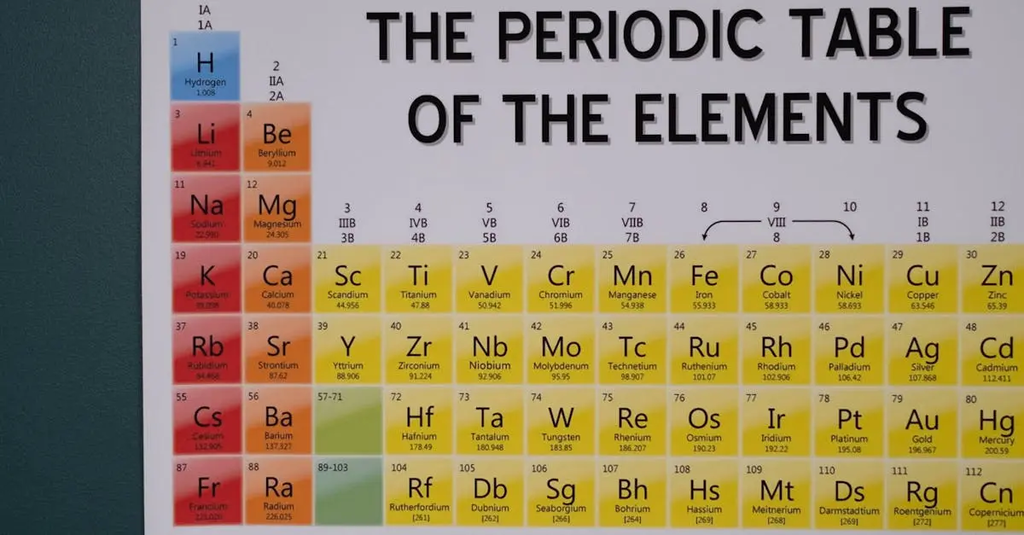
An element is a pure substance composed of only one type of atom; each element is identified by its atomic number (the number of protons) and is listed on the periodic table.
What is a compound?
A compound is a substance formed when two or more different elements chemically combine in fixed proportions, giving it properties different from its constituent elements (e.g., water, H2O).
How do atoms form compounds?
Atoms bond by transferring or sharing electrons to achieve stable electron configurations. Ionic bonds involve electron transfer; covalent bonds involve sharing electrons, resulting in molecules that make up compounds.