Attachment and personality are closely linked aspects of human development. Attachment refers to the emotional bonds formed, especially in early childhood, which shape how individuals relate to others. These early experiences influence personality traits, such as trust, self-esteem, and emotional regulation. Secure attachments often foster confident and resilient personalities, while insecure attachments can lead to challenges in relationships and self-image, affecting overall social and emotional functioning throughout life.
Attachment & Personality
Attachment and personality are closely linked aspects of human development. Attachment refers to the emotional bonds formed, especially in early childhood, which shape how individuals relate to others. These early experiences influence personality traits, such as trust, self-esteem, and emotional regulation. Secure attachments often foster confident and resilient personalities, while insecure attachments can lead to challenges in relationships and self-image, affecting overall social and emotional functioning throughout life.
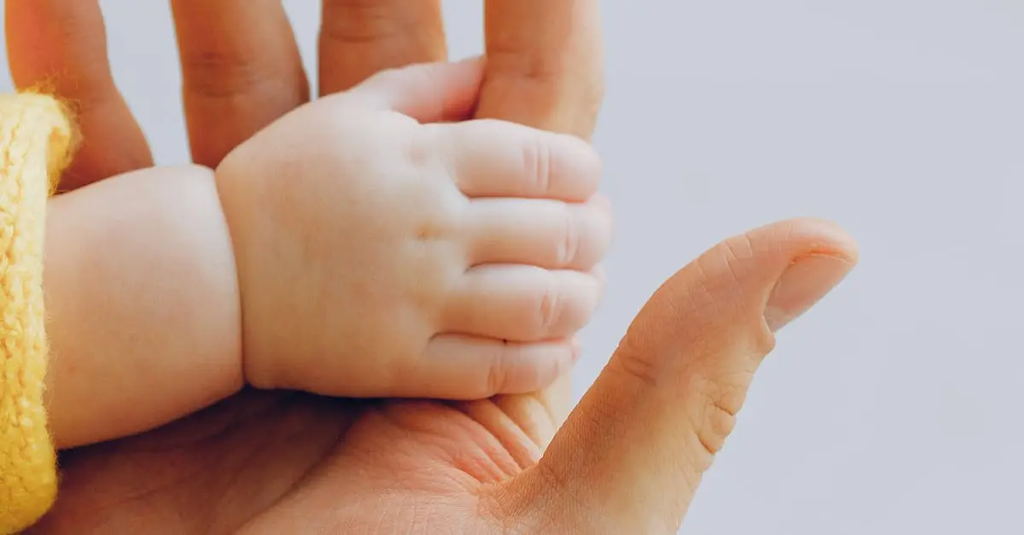
💡 Key Takeaways
- Explain how early attachment experiences shape core personality traits such as trust and self-esteem.
- Identify common attachment styles (secure, anxious, avoidant, disorganized) and how they manifest in relationships.
- Describe how attachment influences emotional regulation and interpersonal behavior across life.
- Reflect on your own attachment history to understand current patterns in relationships and self-discovery.
❓ Frequently Asked Questions
What is attachment in psychology and why does it matter for personality?
Attachment is the emotional bond formed with caregivers in early life. It shapes how you relate to others, respond to stress, and influences traits like trust and emotional regulation.
How does secure attachment influence trust and self-esteem?
Secure attachment fosters a reliable sense of worth and safety in relationships, supporting healthy trust and higher self-esteem.
What personality traits are commonly linked to early attachment experiences?
Traits such as trust, empathy, emotional regulation, and comfort with closeness or distance in relationships.
Can attachment styles change after childhood?
Yes. Through new relationships, experiences, and sometimes therapy, people can move toward greater security.