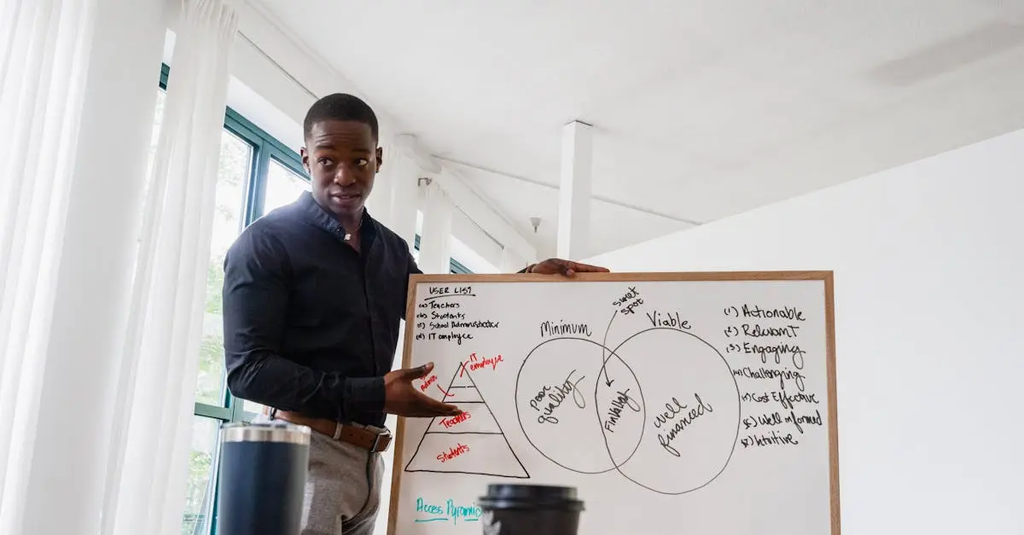
Attention Engineering & Environment Design refers to the strategic creation of physical or digital spaces that intentionally guide, capture, and sustain human attention. By blending principles from psychology, engineering, and environmental design, this approach shapes environments—such as workplaces, websites, or public areas—to optimize focus, productivity, and well-being. It involves manipulating sensory cues, spatial arrangements, and technological interfaces to influence how people interact with and respond to their surroundings.
Attention Engineering & Environment Design
Attention Engineering & Environment Design refers to the strategic creation of physical or digital spaces that intentionally guide, capture, and sustain human attention. By blending principles from psychology, engineering, and environmental design, this approach shapes environments—such as workplaces, websites, or public areas—to optimize focus, productivity, and well-being. It involves manipulating sensory cues, spatial arrangements, and technological interfaces to influence how people interact with and respond to their surroundings.

💡 Key Takeaways
- Understand how environmental design shapes attention, productivity, and habits.
- Identify cues, triggers, and friction that guide behavior in spaces and interfaces.
- Apply practical techniques to reduce distractions and boost focus.
- Design and iterate environments to support consistent routines and high-signal work.
❓ Frequently Asked Questions
What is Attention Engineering & Environment Design?
A strategy that creates physical or digital spaces purposefully to guide, capture, and sustain attention by applying psychology, engineering, and environmental design.
How can this approach be applied in the workplace?
Use clear visual cues, intentional layouts, and controlled environments (lighting, sound, layout) to highlight priorities, reduce distractions, and support productive habits.
What are the core principles of attention engineering?
Salience, contextual cues, appropriate friction, consistency, and feedback loops between environment and behavior.
What are common tactics you might use?
Visual hierarchy, color and typography cues, minimized notifications, task batching, focus zones, and interfaces that guide next steps.