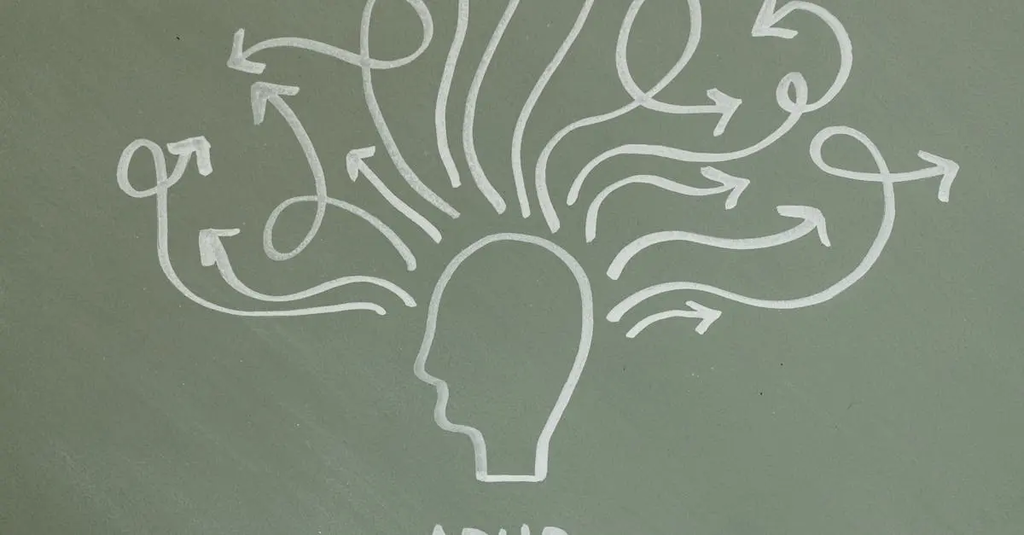
Autism, ADHD, and neurodiversity refer to different ways in which brains function and process information. Autism and ADHD are developmental conditions characterized by unique patterns in communication, attention, and behavior. Neurodiversity is the idea that such differences are natural variations of the human mind, not deficits. Embracing neurodiversity promotes acceptance, understanding, and inclusion of people with diverse neurological profiles in society, valuing their strengths and perspectives.
Autism, ADHD, and Neurodiversity
Autism, ADHD, and neurodiversity refer to different ways in which brains function and process information. Autism and ADHD are developmental conditions characterized by unique patterns in communication, attention, and behavior. Neurodiversity is the idea that such differences are natural variations of the human mind, not deficits. Embracing neurodiversity promotes acceptance, understanding, and inclusion of people with diverse neurological profiles in society, valuing their strengths and perspectives.
💡 Key Takeaways
- Understand how autism and ADHD influence communication, attention, and behavior in everyday contexts.
- Differentiate autism, ADHD, and neurodiversity as related but distinct concepts.
- Learn that neurodiversity views brain differences as natural variations rather than deficits.
- Recognize common strengths and challenges to promote inclusive perspectives.
❓ Frequently Asked Questions
What is autism?
Autism is a neurodevelopmental condition characterized by differences in social communication and behavior, with a wide range of presentations and strengths across individuals.
What is ADHD?
ADHD stands for attention-deficit/hyperactivity disorder, a neurodevelopmental condition marked by inattention, hyperactivity, and/or impulsivity that can affect daily functioning.
What does neurodiversity mean?
Neurodiversity is the view that brain differences like autism and ADHD are natural variations in human cognition, not disorders to be fixed, and that society should accommodate diverse ways of thinking and learning.
How are autism and ADHD different?
They are distinct conditions with different core features—autism centers on social communication and restricted behaviors, while ADHD focuses on attention and activity levels. Some people may have both.
How are these conditions diagnosed and supported?
Diagnosis is done by qualified professionals through developmental history, observations, and standardized assessments. Support often includes education, accommodations, and strategies tailored to individual needs.