Auto-Tune aesthetics refer to the creative use of pitch-correction technology as a distinctive vocal effect, rather than simply a corrective tool. Popularized by artists like T-Pain in the 2000s, Auto-Tune became synonymous with a robotic, glossy vocal sound. This approach has since evolved and been embraced by genres like hyperpop, where exaggerated, digital vocal manipulation is central, reflecting changing attitudes towards authenticity and technology in music production.
Auto-Tune Aesthetics: From T-Pain to Hyperpop
Auto-Tune aesthetics refer to the creative use of pitch-correction technology as a distinctive vocal effect, rather than simply a corrective tool. Popularized by artists like T-Pain in the 2000s, Auto-Tune became synonymous with a robotic, glossy vocal sound. This approach has since evolved and been embraced by genres like hyperpop, where exaggerated, digital vocal manipulation is central, reflecting changing attitudes towards authenticity and technology in music production.
💡 Key Takeaways
- Explain how Auto-Tune shifted from a corrective tool to a distinctive vocal aesthetic in American music, beginning with T-Pain in the 2000s.
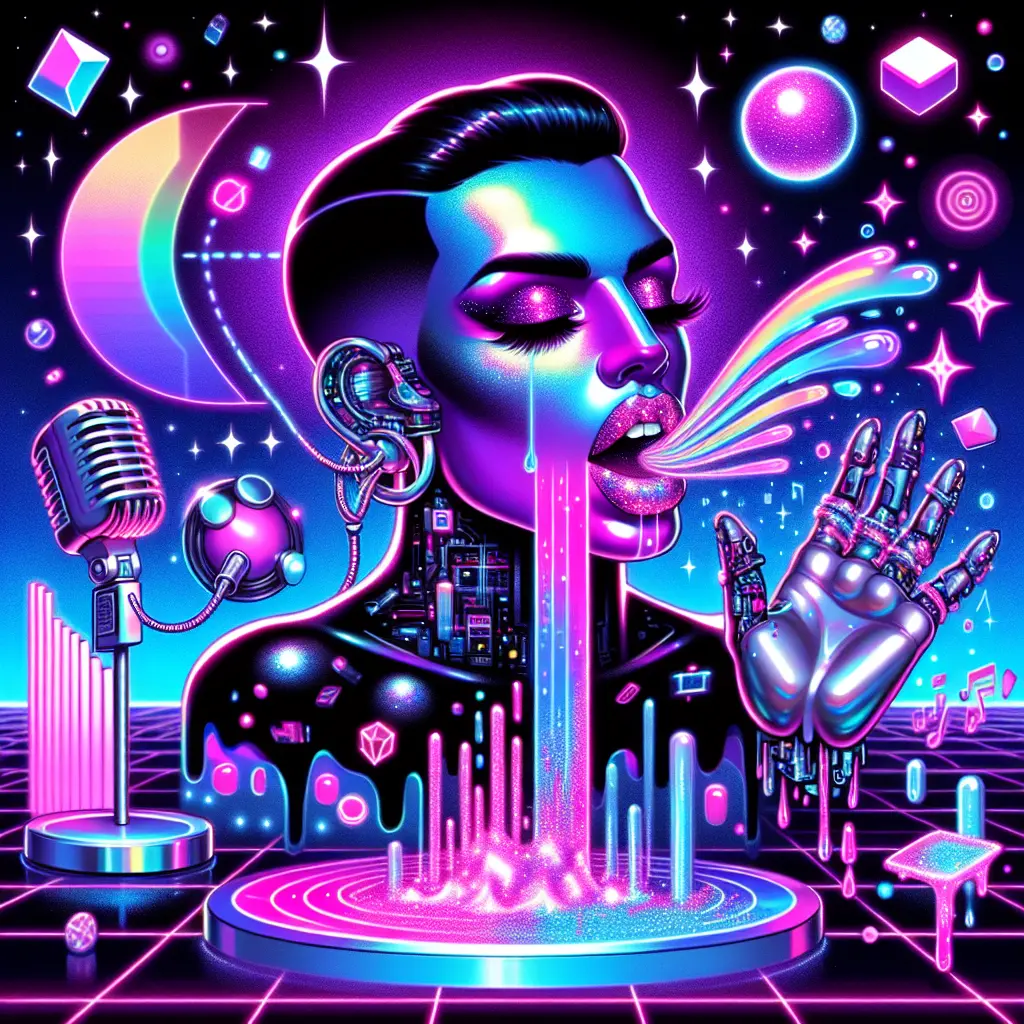
- Describe the sonic hallmarks of Auto-Tune aesthetics—robotic, glossy timbre with intentional pitch-correction artifacts.
- Trace the evolution from T-Pain to hyperpop, showing how the effect became a mainstream texture across genres.
- Identify key production controls (retune speed, scale, formant shifting, and humanization) that shape the Auto-Tune sound.
- Discuss the cultural impact, critiques, and debates surrounding Auto-Tune as a signature vocal aesthetic.
❓ Frequently Asked Questions
What is Auto-Tune aesthetics?
Auto-Tune aesthetics refer to using pitch-correction technology as a distinctive vocal effect—creating robotic, glossy sounds—rather than just fixing intonation.
How did T-Pain popularize Auto-Tune in the 2000s?
T-Pain made Auto-Tune a signature vocal sound in his songs, turning pitch correction into a recognizable stylistic choice that influenced many artists.
What is the difference between Auto-Tune as correction and as an effect?
As correction, Auto-Tune subtly tunes notes to the correct pitch. As an effect, producers use it more prominently to produce a pronounced, synthetic vocal texture.
How has Auto-Tune influenced modern genres like hyperpop?
Auto-Tune enables extreme pitch shifts and futuristic vocal textures, helping hyperpop artists create bold, experimental sounds beyond traditional singing.
How is Auto-Tune typically used in a studio workflow?
Record the vocal, set the key/scale, apply Auto-Tune with a chosen retune speed, and adjust formants and vibrato to taste for the desired effect.