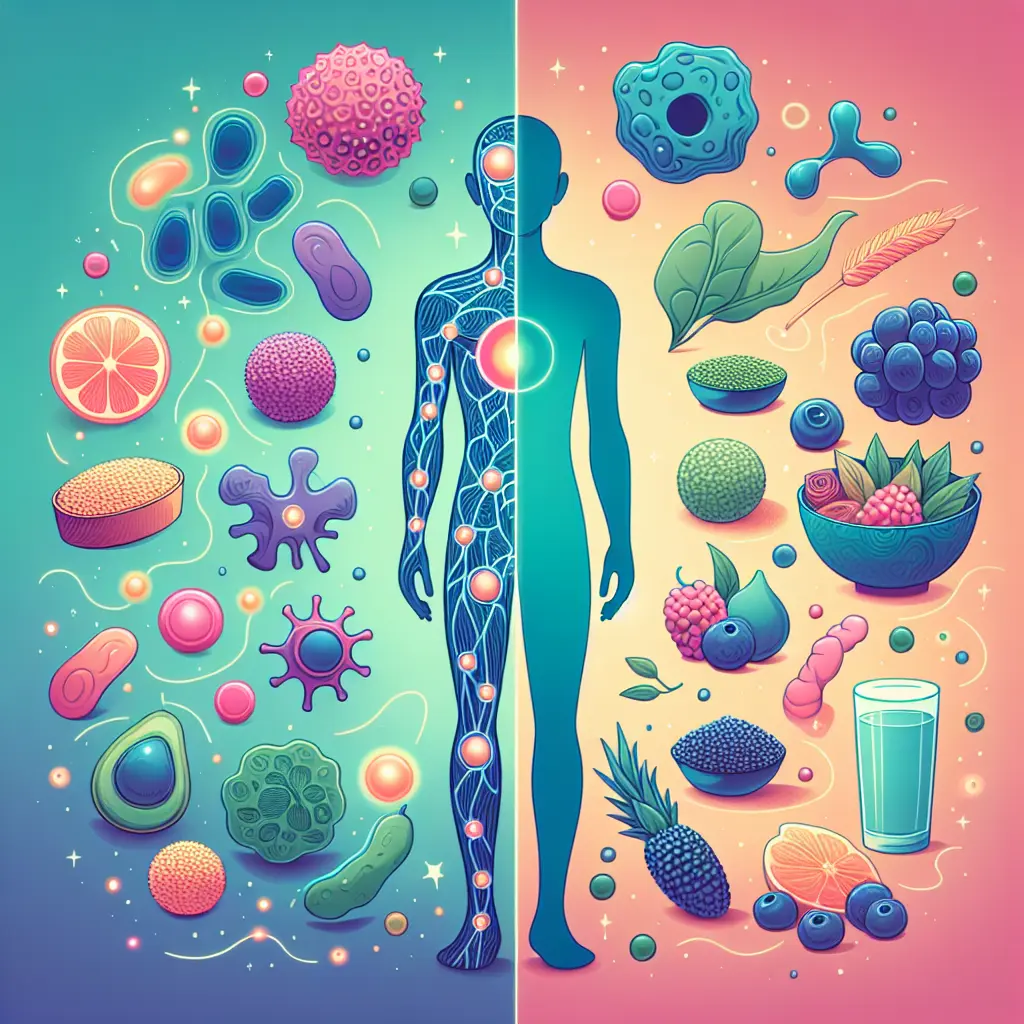
Autoimmune conditions occur when the immune system mistakenly attacks the body’s own tissues, leading to chronic inflammation and various symptoms. Diet plays a crucial role in managing these conditions, as certain foods can either trigger or alleviate symptoms. Many individuals find relief by avoiding inflammatory foods such as gluten, dairy, and processed sugars, while emphasizing anti-inflammatory options like fruits, vegetables, healthy fats, and lean proteins to support overall health and immune function.
Autoimmune Conditions & Diet Considerations
Autoimmune conditions occur when the immune system mistakenly attacks the body’s own tissues, leading to chronic inflammation and various symptoms. Diet plays a crucial role in managing these conditions, as certain foods can either trigger or alleviate symptoms. Many individuals find relief by avoiding inflammatory foods such as gluten, dairy, and processed sugars, while emphasizing anti-inflammatory options like fruits, vegetables, healthy fats, and lean proteins to support overall health and immune function.
💡 Key Takeaways
- Understand what autoimmune diseases are and how chronic inflammation affects symptoms.
- See how certain foods can trigger or relieve autoimmune symptoms and explore anti-inflammatory eating patterns.
- Learn practical dietary approaches (elimination/reintroduction, Mediterranean pattern, AIP) used to tailor management.
- Discover how to track foods and symptoms with a simple diary to identify personal triggers and tolerances.
- Know when to seek guidance from healthcare professionals and how to plan safe, balanced dietary changes.
❓ Frequently Asked Questions
What are autoimmune conditions and how can diet affect them?
Autoimmune conditions occur when the immune system attacks the body's own tissues, causing inflammation and symptoms. Diet can influence inflammation and symptom levels; some foods may trigger flares for some people, while others may help manage symptoms.
Which foods are commonly linked to flares or relief in autoimmune conditions?
Some people report triggers from highly processed foods, added sugars, and alcohol. Gluten or dairy may affect certain individuals, and nightshade vegetables are occasionally suspected as triggers. A personal food diary can help identify what worsens or improves symptoms.
Are there dietary patterns often recommended for autoimmune health?
Patterns like the Mediterranean diet are commonly suggested for anti-inflammatory benefits. The Autoimmune Protocol (AIP) aims to identify triggers by eliminating foods, but it is strict and should be undertaken with guidance. Emphasize variety, fiber, healthy fats, and adequate protein.
Should I take supplements for autoimmune-related dietary management?
Talk with a healthcare provider before taking supplements, as needs vary and some can interact with medications. Prioritize a balanced, whole-food diet and use supplements only if specifically recommended.