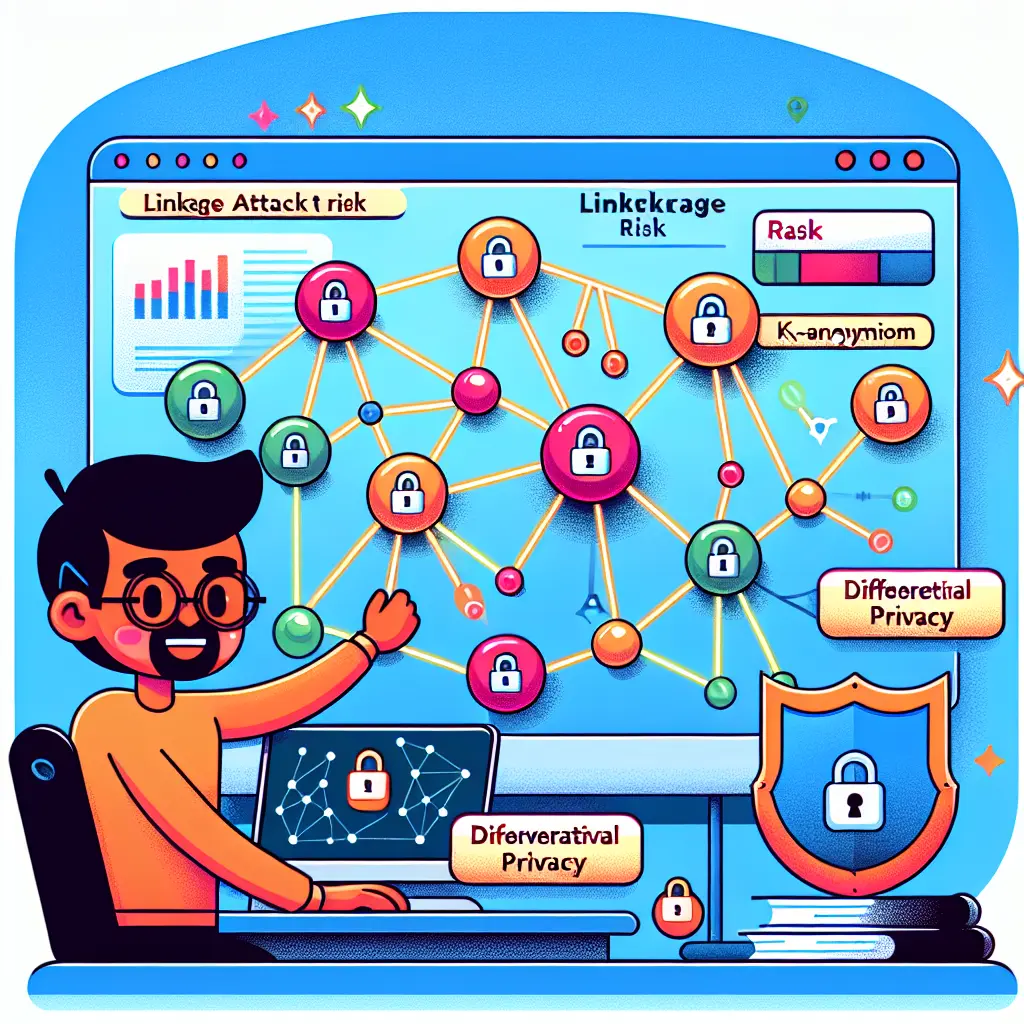
Automated policy enforcement and guardrails refer to the use of technology to automatically apply rules, standards, and best practices within systems or processes. This ensures compliance, security, and consistency by preventing unauthorized actions or configurations. Guardrails act as boundaries that guide users and systems, reducing the risk of errors or violations. Together, they help organizations efficiently manage risks and maintain governance without constant manual intervention.
Automated policy enforcement and guardrails
Automated policy enforcement and guardrails refer to the use of technology to automatically apply rules, standards, and best practices within systems or processes. This ensures compliance, security, and consistency by preventing unauthorized actions or configurations. Guardrails act as boundaries that guide users and systems, reducing the risk of errors or violations. Together, they help organizations efficiently manage risks and maintain governance without constant manual intervention.

💡 Key Takeaways
- Define automated policy enforcement and guardrails within AI data governance and quality assurance.
- Explain how guardrails automatically apply rules, standards, and best practices to prevent unauthorized actions or configurations.
- Describe how enforcing policies in real time improves data quality, security, and regulatory compliance across systems.
- Identify common guardrail components (policy engines, validation checks, access controls, audit trails) and typical implementation challenges (policy drift, maintenance, performance).
❓ Frequently Asked Questions
What is automated policy enforcement in AI data governance?
Automated policy enforcement uses software to continuously apply data policies and standards across systems, automatically blocking or flagging actions that violate rules to ensure compliant, secure, and consistent data use.
What are guardrails in AI data governance and quality assurance?
Guardrails are boundaries—rules, checks, and controls—that prevent unauthorized configurations or actions, guiding systems to operate safely, compliantly, and with high data quality.
Why are automated policy enforcement and guardrails important?
They reduce manual effort and human error, protect privacy and security, ensure data quality and consistency, and provide auditable logs for compliance.
What are common examples of policies and guardrails?
Access controls, data classification and labeling, retention and deletion rules, data masking, schema validation, and drift detection.
How can teams implement automated policy enforcement and guardrails?
Define policies, map them to technical controls, deploy governance tools, integrate with development and data pipelines, monitor results, and periodically review and update policies.