Automation, robotics, and on-site technologies in the construction environment refer to the integration of advanced machinery, intelligent systems, and digital tools to streamline construction processes. These technologies automate repetitive tasks, enhance precision, and improve safety on job sites. Robotics can perform functions like bricklaying or welding, while automation manages scheduling and resource allocation. On-site technologies, such as drones and 3D scanners, provide real-time data, enabling efficient project monitoring and decision-making.
Automation, Robotics and On-site Technologies
Automation, robotics, and on-site technologies in the construction environment refer to the integration of advanced machinery, intelligent systems, and digital tools to streamline construction processes. These technologies automate repetitive tasks, enhance precision, and improve safety on job sites. Robotics can perform functions like bricklaying or welding, while automation manages scheduling and resource allocation. On-site technologies, such as drones and 3D scanners, provide real-time data, enabling efficient project monitoring and decision-making.
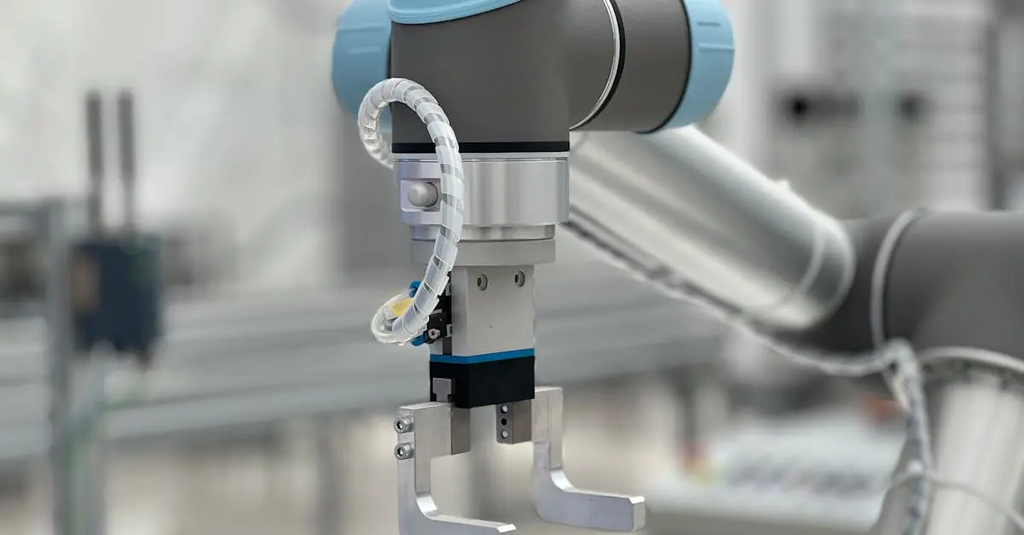
💡 Key Takeaways
- Understand how automation, robotics, and on-site technologies integrate to streamline tasks.
- Identify key components (sensors, actuators, PLCs, autonomous machines) used in on-site automation.
- Learn the benefits and challenges of deploying robotics in field environments, including safety and maintenance.
- Explore real-world applications across industries and the impact on productivity, quality, and safety.
❓ Frequently Asked Questions
What is automation?
Automation uses control systems, software, and machines to perform processes with little or no human intervention, improving speed, consistency, and safety.
How does robotics relate to automation?
Robotics are programmable machines with sensors and actuators that perform tasks automatically. All robotics can be part of automation, but automation also includes non-robotic technologies like PLCs and software-driven processes.
What on-site technologies are commonly used in automation and robotics?
Common technologies include PLCs (programmable logic controllers), SCADA/HMI systems, sensors and actuators, industrial robots and collaborative robots (cobots), edge devices, and reliable networking (Industrial Ethernet, Wi‑Fi).
What are the main benefits and challenges of implementing on-site automation and robotics?
Benefits include higher efficiency, consistency, safety, and uptime. Challenges include upfront cost, integration with legacy systems, ongoing maintenance, and cybersecurity considerations.