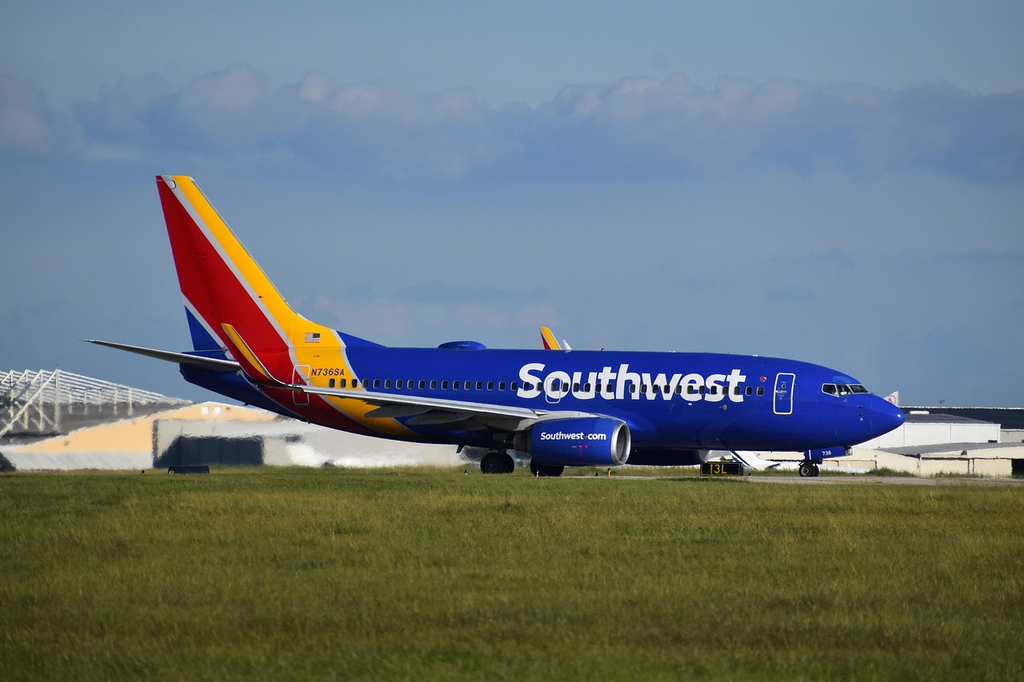
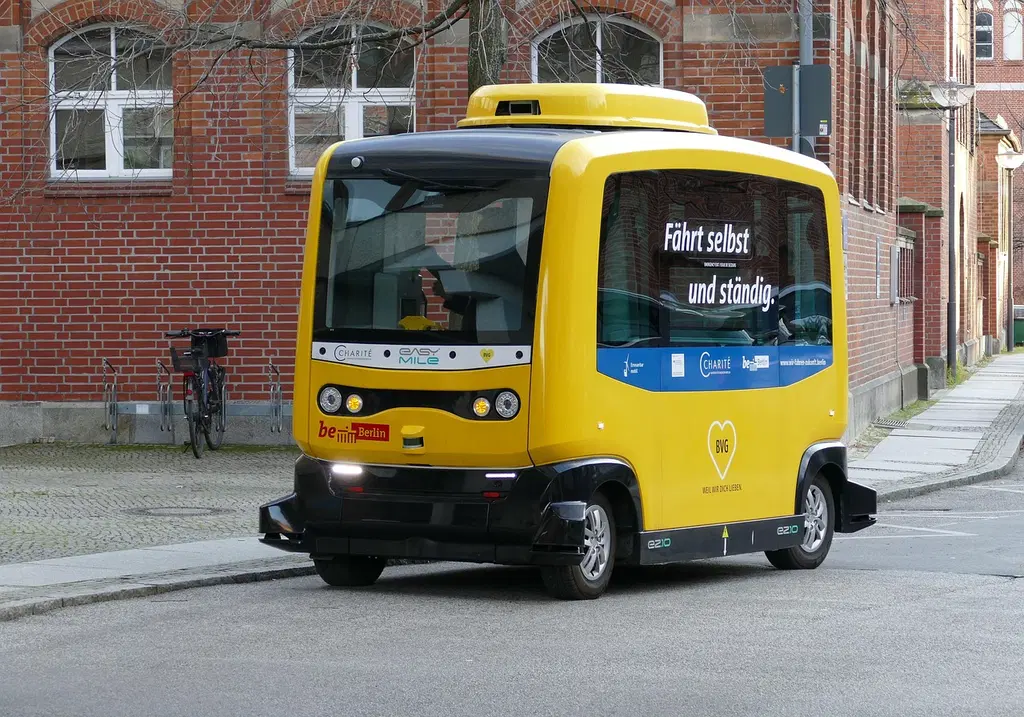
Autonomous cars refer to vehicles equipped with advanced technologies that allow them to navigate and operate without direct human intervention. In the context of travel rides, these self-driving cars, and potentially planes, use sensors, artificial intelligence, and real-time data to ensure safe and efficient journeys. They promise to revolutionize transportation by reducing accidents, enhancing mobility for all, and transforming how people commute and travel long distances.
Autonomous Cars
Autonomous cars refer to vehicles equipped with advanced technologies that allow them to navigate and operate without direct human intervention. In the context of travel rides, these self-driving cars, and potentially planes, use sensors, artificial intelligence, and real-time data to ensure safe and efficient journeys. They promise to revolutionize transportation by reducing accidents, enhancing mobility for all, and transforming how people commute and travel long distances.
💡 Key Takeaways
- Explain the core technologies behind autonomous cars (sensors, mapping, and AI) and how they enable perception and decision-making
- Describe how self-driving systems perceive the environment, plan routes, and control vehicle movement
- Identify safety, regulatory, and ethical considerations shaping autonomous vehicle adoption
- Compare levels of vehicle autonomy and common features available today
- Discuss potential impacts of autonomous cars on traffic safety, efficiency, and employment
❓ Frequently Asked Questions
What is an autonomous car?
A vehicle capable of driving itself with little or no human input, using sensors, maps, and AI to perceive the environment and make driving decisions.
What are the SAE levels of vehicle automation?
A 0–5 scale: 0 = no automation; 1–2 = driver assistance; 3 = conditional automation (driver must be ready); 4 = high automation (no driver in most situations); 5 = full automation (no human driver needed).
What sensors do autonomous cars rely on?
A mix of cameras, radar, LIDAR, and sometimes ultrasonic sensors; data from these are fused to detect objects, localize the car, and plan movements.
How do autonomous cars stay safe on the road?
With redundant systems, robust perception and planning software, extensive testing, precise mapping, and, for lower levels, a safety driver or supervisor.