Autonomous drones are unmanned aerial vehicles capable of operating without direct human control. They use advanced sensors, artificial intelligence, and onboard computing to navigate, avoid obstacles, and complete tasks such as surveillance, delivery, or mapping. These drones can make real-time decisions based on their environment, enabling efficient and precise operations in various industries, including agriculture, logistics, and emergency response, while reducing the need for manual intervention.
Autonomous Drones
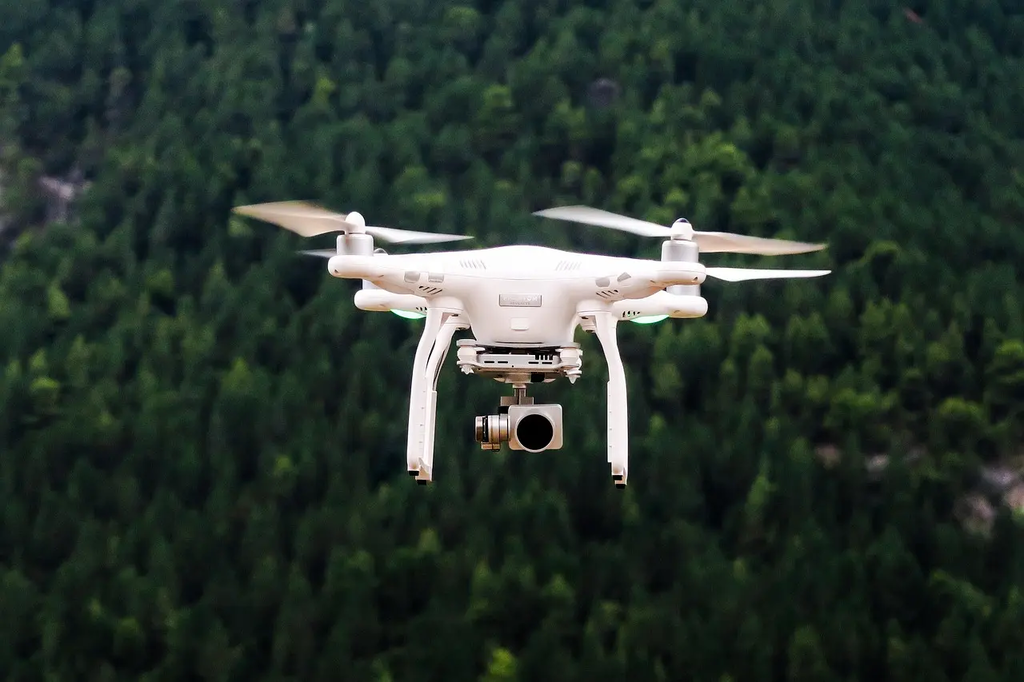
Autonomous drones are unmanned aerial vehicles capable of operating without direct human control. They use advanced sensors, artificial intelligence, and onboard computing to navigate, avoid obstacles, and complete tasks such as surveillance, delivery, or mapping. These drones can make real-time decisions based on their environment, enabling efficient and precise operations in various industries, including agriculture, logistics, and emergency response, while reducing the need for manual intervention.
💡 Key Takeaways
- Understand what autonomous drones are and how they operate without direct human control.
- Identify core technologies—sensors, artificial intelligence, and onboard computing—that enable navigation and obstacle avoidance.
- Learn how autonomous drones plan routes and make real-time decisions to complete missions.
- Explore common applications such as surveillance, delivery, and mapping.
- Recognize the importance of safe, reliable autonomous operation.
❓ Frequently Asked Questions
What is an autonomous drone?
A drone that can operate without direct human control, using onboard computing, sensors, and AI to make decisions, navigate, and complete tasks.
What technologies enable autonomy in drones?
Onboard processing, perception sensors (GPS, cameras, LiDAR), AI for understanding the environment, and planning/control algorithms for navigation and obstacle avoidance.
What tasks can autonomous drones perform?
Surveillance, delivery, mapping, inspection, agriculture, search-and-rescue, and other mission-specific operations.
How do autonomous drones navigate and stay safe?
They localize themselves, plan routes, detect obstacles with sensors, and adjust flight paths in real time; safety features like geofencing and failsafes may be used.