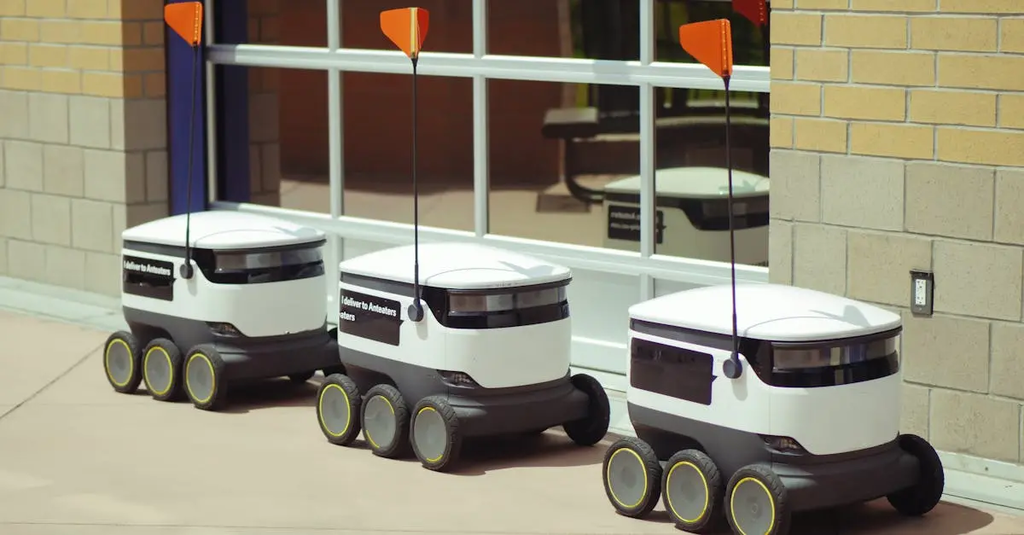
Autonomous systems and robotics refer to machines or devices capable of performing tasks without direct human intervention. These systems use sensors, artificial intelligence, and advanced algorithms to perceive their environment, make decisions, and execute actions. Robotics involves the design and construction of such machines, while autonomy emphasizes their ability to operate independently. Together, they enable innovations in industries like manufacturing, transportation, healthcare, and exploration, enhancing efficiency, safety, and productivity.
Autonomous Systems and Robotics
Autonomous systems and robotics refer to machines or devices capable of performing tasks without direct human intervention. These systems use sensors, artificial intelligence, and advanced algorithms to perceive their environment, make decisions, and execute actions. Robotics involves the design and construction of such machines, while autonomy emphasizes their ability to operate independently. Together, they enable innovations in industries like manufacturing, transportation, healthcare, and exploration, enhancing efficiency, safety, and productivity.
💡 Key Takeaways
- Define what autonomous systems and robotics are and how they operate without direct human intervention.
- Identify the core technologies: sensors, artificial intelligence, and algorithms that enable perception, decision-making, and action.
- Describe how robotic systems are designed, controlled, and actuated to perform tasks in real-world environments.
- Discuss common applications and safety, ethical, and reliability considerations in autonomous systems.
❓ Frequently Asked Questions
What are autonomous systems and robotics?
Autonomous systems are machines that perform tasks without direct human control, using sensors, AI, and algorithms to perceive, decide, and act. Robotics focuses on designing and building these machines to carry out tasks.
How do sensors help autonomous robots understand their environment?
Sensors collect data such as distance, position, and surroundings. This data is processed to build a model of the world, allowing the robot to detect obstacles, map areas, and plan safe actions.
What role does artificial intelligence play in autonomous robotics?
AI enables perception, decision-making, and control. It helps robots recognize objects, determine goals, choose actions, and learn from experience to improve performance.
What are common applications of autonomous systems and robotics?
Common uses include manufacturing automation, autonomous vehicles and drones, warehouse and logistics robots, service robots, and some medical or surgical robotics.
What safety and ethical considerations are important?
Safety features (like emergency stops and fail-safes), human oversight, data privacy, and transparent behavior help prevent harm and build trust in autonomous systems.