Avionics and fault-tolerant computing in space refer to the integration of advanced electronic systems in spacecraft to manage navigation, communication, and control, while ensuring continuous operation despite hardware or software failures. These systems use redundancy, error detection, and correction mechanisms to maintain reliability in the harsh space environment, where maintenance is impossible. This approach is crucial for mission safety, data integrity, and the successful execution of complex space operations.
Avionics and Fault-Tolerant Computing in Space
Avionics and fault-tolerant computing in space refer to the integration of advanced electronic systems in spacecraft to manage navigation, communication, and control, while ensuring continuous operation despite hardware or software failures. These systems use redundancy, error detection, and correction mechanisms to maintain reliability in the harsh space environment, where maintenance is impossible. This approach is crucial for mission safety, data integrity, and the successful execution of complex space operations.
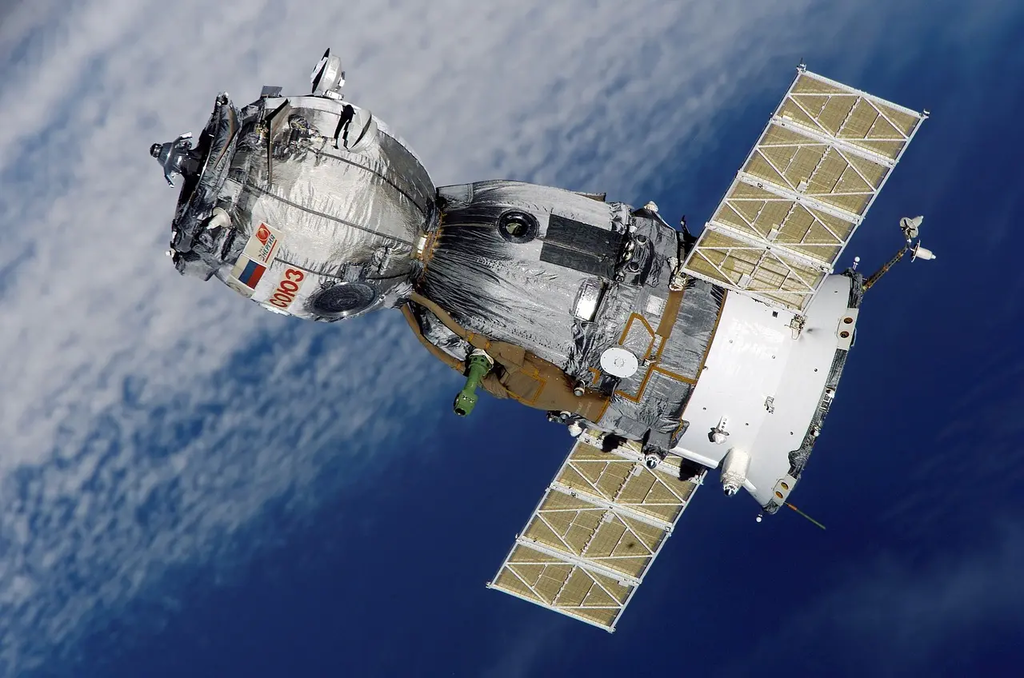
💡 Key Takeaways
- Understand how avionics manage navigation, communication, and control aboard spacecraft.
- Explain what fault-tolerant computing is and why redundancy is essential in space.
- Identify common fault-tolerance techniques, including redundancy schemes, error detection, and watchdogs.
- Describe how fault-tolerant systems maintain operation through graceful degradation, error recovery, and automatic failover.
❓ Frequently Asked Questions
What is avionics in space systems?
Avionics are the electronic systems that manage a spacecraft's navigation, communication, and control, including flight computers, sensors, actuators, and data interfaces.
What does fault-tolerant computing mean for spacecraft?
It means designing systems to continue operating correctly even when parts fail, using redundancy, error detection, fault containment, and graceful degradation.
What redundancy strategies are used in space avionics?
Hardware redundancy (spare processors, power supplies, memory), triplicated processing with voting (TMR), and automatic switchover to a backup subsystem.
How are errors detected and managed in space avionics?
Through error-detecting codes (ECC/parity), watchdog timers, health monitoring, fault logging, and automatic safe-mode or failover when faults are detected.