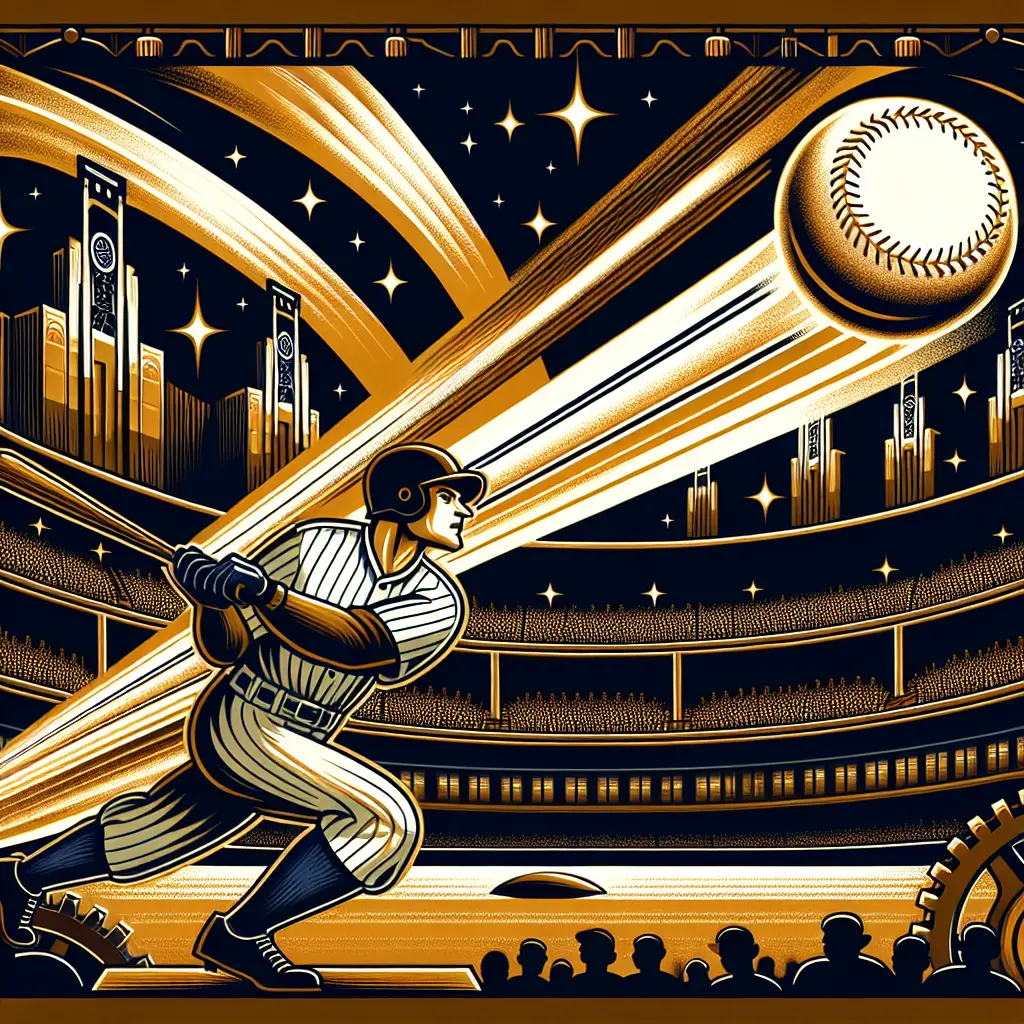
Babe Ruth's home run revolution refers to the dramatic transformation he brought to baseball in the 1920s by popularizing the home run as a central aspect of the game. Before Ruth, baseball emphasized strategy, bunting, and base stealing. Ruth’s unprecedented power hitting captivated fans, shattered records, and shifted the sport’s focus toward offense and spectacle, helping usher in the “live-ball” era and making baseball America’s favorite pastime.
Babe Ruth's home run revolution
Babe Ruth's home run revolution refers to the dramatic transformation he brought to baseball in the 1920s by popularizing the home run as a central aspect of the game. Before Ruth, baseball emphasized strategy, bunting, and base stealing. Ruth’s unprecedented power hitting captivated fans, shattered records, and shifted the sport’s focus toward offense and spectacle, helping usher in the “live-ball” era and making baseball America’s favorite pastime.
💡 Key Takeaways
- Babe Ruth popularized the home run, shifting baseball in the 1920s toward power hitting.
- Move away from small-ball tactics (bunting and base stealing) toward offense built on home runs and big innings.
- Ruth’s power captivated fans and helped boost attendance and media spotlight on the game.
- The revolution influenced future players, ballpark design, and the modern emphasis on power hitting in baseball.
❓ Frequently Asked Questions
Who was Babe Ruth and what does the 'home run revolution' refer to?
Babe Ruth was a legendary baseball slugger in the 1920s who popularized the home run as a central part of the game, transforming its style and appeal.
How did Ruth change the strategic approach to baseball in the 1920s?
He emphasized power hitting over traditional small-ball tactics like bunting and base-stealing, leading to more home runs and a shift toward offense.
What was the impact of Ruth's home runs on fans and the sport?
His dramatic home runs captivated fans, increased attendance, and helped baseball become a major form of entertainment.
What is the Live-ball era, and how is Ruth connected to it?
The Live-ball era began around 1920 with livelier balls and higher offense; Ruth's power exemplified and accelerated this shift toward offense.
What are Ruth's notable home run milestones that illustrate the revolution?
He hit 60 home runs in 1927 and finished with 714 career home runs, milestones that symbolize the power-driven era he helped create (and that shattered many old records).